From Hollywood Campaigns to Conscious PR: How Mona Loring Rebuilt Her Agency Around Authenticity
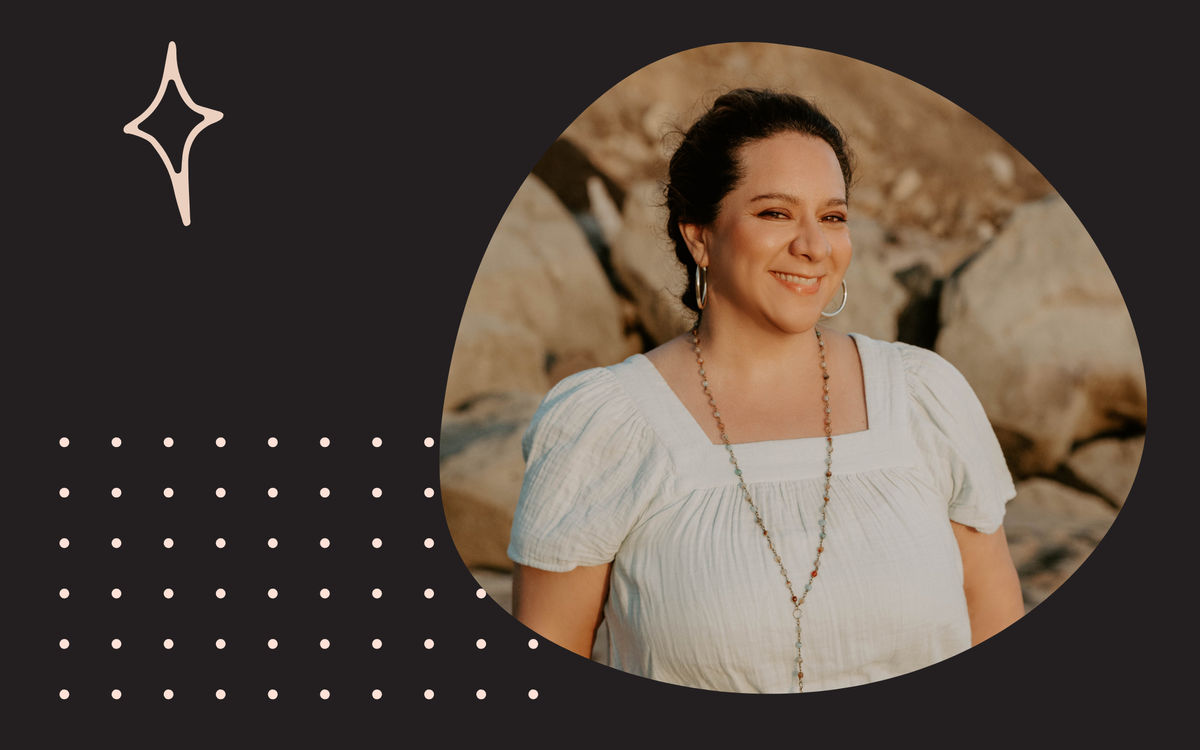
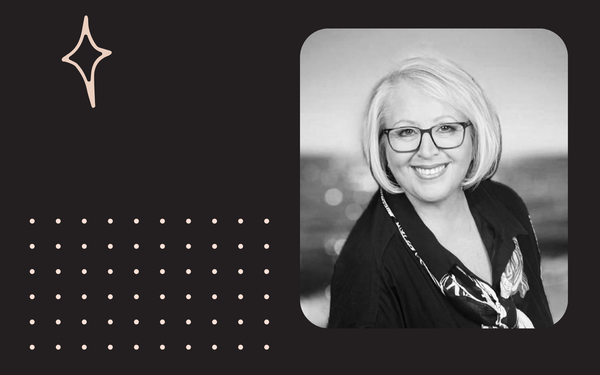
Mona Loring spent over two decades building one of Hollywood's most respected entertainment PR firms, running awards campaigns for the Oscars, Emmys, and Golden Globes and representing talent including Wendi McLendon-Covey, Carrie Preston, and Michael B. Jordan. But at a certain point, success and alignment stopped feeling like the same thing.
Rather than stay on the path that had already proven itself, Mona made the kind of decision most established founders avoid: she rebuilt. The result was Conscious Living PR, a Los Angeles-based agency that brings together strategic publicity, intuitive practice, and a commitment to purposeful storytelling. The firm now spans Literary PR, Lifestyle PR, Spiritual PR, and the Conscious Hollywood division, serving thought leaders, authors, and entertainers who want visibility that actually reflects who they are.
We sat down with Mona to talk about what it takes to pivot without losing your footing, what "conscious PR" looks like in practice, and the advice she has for women building something meaningful in one of the most competitive industries in the world.
Are you a woman leader with a story to tell? We'd love to feature you. Get in touch at hi@foundedbywomen.org
Q: You founded MLC PR from the ground up, built it into one of Hollywood's top entertainment firms, ran award campaigns for the Oscars, Emmys, and Golden Globes, and then made the bold decision to rebrand as Conscious Hollywood - bringing together entertainment, philanthropy, spirituality, and wellness. For female founders who are considering a major pivot or rebrand, what made you take that leap, and how do you build a new identity without losing what made you successful in the first place?
The decision didn't happen overnight, but I felt an itch and knew I needed a change. When the time came, it was undeniable. I had built MLC PR into something I was genuinely proud of from the ground up. We had handled awards campaigns, worked with major talent, and earned a reputation in an industry that doesn't hand those out easily. But at some point I started noticing a gap between the work I was doing and the way I wanted to do it. Something felt misaligned, and I've learned to pay attention to that feeling.
The rebrand to Conscious Hollywood wasn't about walking away from what worked. It was about what I felt was a missing element in the PR industry while also being honest about what I had actually been doing all along. I had always approached client relationships with a level of intuition and intentionality that went beyond traditional PR strategy. I just hadn't named it yet, so that was the official leap.
What kept the foundation intact was my reputation and track record. The credibility I built over the first decade of my career did not disappear with the rebrand. I had simply evolved. If anything, it gave me the permission to go deeper with what I believe makes a PR campaign truly land. My advice to female founders considering a pivot is to do it in love and not fear. Then, once you decide on what to do— stop treating your past as a liability in your new chapter. Your history is the reason the evolution holds weight. The pivot looks risky from the outside, but looking at it from the inside, it feels like you are finally arriving at your authenticity.
Q: You've worked with some of the most recognizable names in entertainment - Wendi McLendon-Covey, Carrie Preston, Michael B. Jordan, Jenna Ortega - while also championing conscious living, mindfulness, and spiritual awareness in your work. What does "conscious PR" actually mean in practice, and how does your intuitive approach to public relations set you apart from traditional entertainment firms?
People hear the phrase conscious PR and sometimes assume it means the work is soft. In reality, while it is mindful and ethical, it is also the opposite of soft. Conscious PR requires a level of honesty that traditional firms often avoid. It means being clear about whether a strategy is right for a specific client instead of applying a formula simply because it worked before or because everyone else is doing it.
In practice, it means I pay attention to things a traditional firm might overlook. The energy a client brings into a campaign cycle. Whether the story we are telling publicly matches who they actually are. Whether the timing feels natural or forced. These things matter more than most people in this industry realize. A campaign can generate press and still fall flat if the alignment is off. I have watched it happen, and it is one of the reasons I stepped into a new chapter of this work through a methodology I created called Intuitive Visibility Strategy.
Working with talent at the level of Wendi McLendon-Covey or Carrie Preston means you are not just managing publicity. You are helping steward a legacy. That requires a different quality of attention. My intuitive approach is simply a willingness to slow down enough to see what is actually there instead of what we want to be there.
Q: You've been building in one of the most competitive and relationship-driven industries in the world for over 20 years. For female founders navigating male-dominated industries, what has kept you grounded through the challenges - and what's your advice for women who want to build something meaningful without compromising who they are?
Twenty years in, the thing that has kept me most grounded is knowing what I'm not willing to compromise. That clarity didn't come easily, and it certainly didn't come early on in my career. I had to learn some hard lessons along the way. But once I had it, that knowing became a useful tool. My industry will offer you opportunities that look like wins but can cost you something you can't get back. You have to know the difference, and that is why I love using the word "discernment" when making choices in business.
Women are actually well-represented in entertainment PR, but the talent industry itself is still a different story. It has long been shaped by powerful men, and I've navigated plenty of rooms where I was the only woman leading with heart, where my intention wasn't solely transactional. There were moments where I had to decide whether to shrink into what was expected or hold my ground. I'm proud to say I chose to hold my ground, even when it meant standing up to toxicity more times than I should have had to. What I learned over time is that holding your ground doesn't have to be dramatic. It's about being sure of yourself, leading with confidence and clarity, and having the ability to trust your own read on a situation without needing someone else to validate it.
I also want to be clear about something, because I think it matters: some of the most genuinely kind and supportive people I've ever met in this business have been men. You tend to find what you're looking for, and if you walk in expecting every man to be an obstacle, that's largely what you'll find. I've always tried to stay open-minded and not assume the worst in people. That said, I'd be leaving out part of the story if I didn't acknowledge that women can be just as toxic, especially when their competition enters the scenario. Watching women hurting other women was one of the hardest things to witness coming up in this industry. It's gotten better, and I'd like to think that those of us who chose a different path helped move the needle. I've aimed to be the woman straightening someone else's crown, not the one figuring out how to take it away.
All of that said, my advice for women building something meaningful in competitive spaces is simple: stop waiting for the industry to make room for you and start building the room yourself. I created my place in the PR world. I had no help. Also, remember that uniqueness is a benefit. Your differentiation is not a weakness to be diminished. It's the thing that will outlast everyone who told you to be more like what already exists. Build your business from this mindset.
Are you a woman leader with a story to tell? We'd love to feature you. Get in touch at hi@foundedbywomen.org