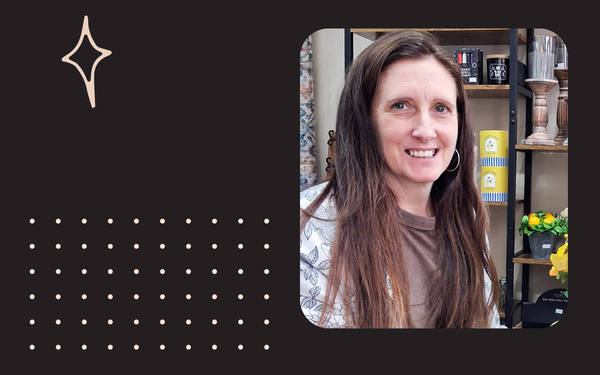
From Door-Knocking at 8 to Moving Millions: Melanie Ulle's Blueprint for Sustainable Philanthropy
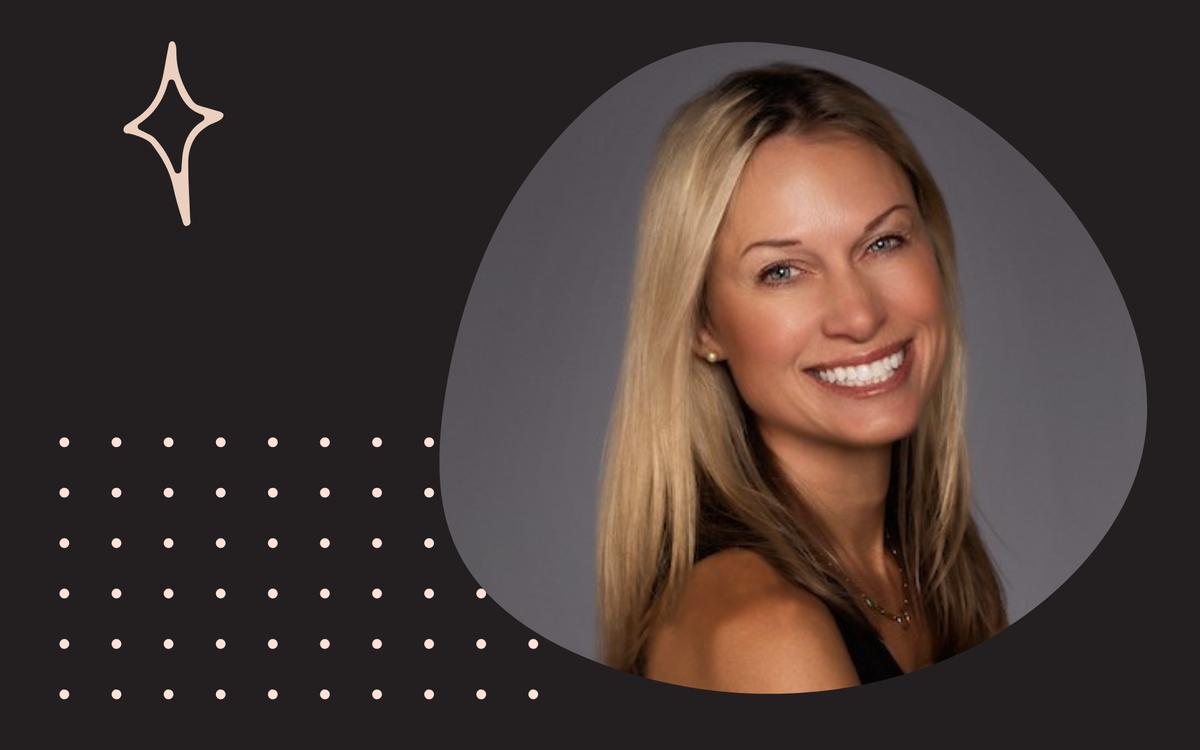
Melanie Ulle was going door to door for a presidential campaign before most kids learn to ride a bike without training wheels. That early start, shaped by parents who treated current events and museum visits as standard weekend fare, set her on a path that's now spanned more than two decades in politics and nonprofit fundraising. As founder and CEO of Philanthropy Expert, she's helped organizations raise tens of millions of dollars, all while building a reputation as one of Colorado's most influential voices in philanthropy.
Along the way, Melanie co-founded Women in Kind, Denver's first coworking space designed specifically for women, complete with lactation rooms and childcare support. The venture earned a State Senate commendation before closing in 2019, a decision she and her partner made quickly and without regret when a values-aligned company entered the market.
Today, Melanie is pushing philanthropy toward a more sustainable future, one where nonprofits build earned income models instead of relying solely on donations. In this interview, she talks about the lessons grassroots campaigning taught her about connecting with donors, what it really took to walk away from Women in Kind, and why she thinks the era of over-reliance on traditional philanthropy is coming to an end.
Are you a woman leader with an inspiring journey to tell? Founded by Women is on a mission to elevate and amplify the voices of women making an impact. If you’re breaking barriers, driving change, or paving the way for others, we’d love to feature your story. Get in touch with us today! 👉 hi@foundedbywomen.org
Q: From 8-Year-Old Activist to Philanthropy Pioneer You started your activism journey at age 8, going door-to-door for political campaigns, and have now spent over 20 years helping organizations raise tens of millions of dollars. What drove that early passion for making a difference, and how did those formative political experiences shape your approach to building Philanthropy Expert? What lessons from grassroots campaigning do you apply to helping nonprofits connect with donors today?
A: I was fortunate to have very passionate and intellectually curious parents. When I hear about other friends’ childhoods and all the fun things they did, like going to the pool, playing games, typical kid stuff, I think it sounds amazing, but my experience was very different. A standard weekend for me was going to the art museum with my parents, maybe listening to a lecture, and always, always, always discussing current events and politics. I went door to door for a presidential campaign when I was 8 years old, dropping literature, and I think that helped me never fear approaching and speaking with adults or strangers. It was a great future career training.
The world needs a few weirdos like me to keep things interesting. I read something from elementary school that asked what I wanted to be when I grew up, and I said a lobbyist. I was 9. I don’t think this is a very common answer from a third grader, but I was an only child whose best friends were my parents, so it’s probably to be expected. Only children can often be very close to their parents, and therefore very interested in adult pursuits. You don’t realize until you’re an adult that the experience is very different than your peers. I actually feel really lucky because they taught me to care deeply about the world around me, and that was as normal as playing outside.
I always say that philanthropy and volunteerism are learned at home. My parents were not wealthy, but they were (and are) generous. I didn’t realize that being engaged in your community was optional, and I feel more strongly about that every day.
In so many ways, Philanthropy Expert is a representation of the love I feel for my community and for humanity. We have dozens and dozens of clients, and all are working hard to improve the lives and health of our people and places. My business partner and our team share that commitment to bettering our communities. I suspect that all of them feel that drive as viscerally as I do.
I started my career in politics, and that work really showed me the urgency of meeting our world’s greatest needs. I think people who come out of the campaign world bring that urgency to the nonprofits they serve. We love hiring former political staffers for this reason!
Q: Building and Letting Go - The Women in Kind Journey You co-founded Women in Kind as Denver's first coworking space designed by women for women, complete with lactation rooms, childcare areas, and temperature controls that actually worked for women's bodies. The space received state Senate commendation but ultimately closed in 2019 due to market saturation. What was the hardest part about making that decision, and what did you learn about building mission-driven businesses in competitive markets? How has that experience influenced your approach to business strategy?
A: Women in Kind was a brief labor of love, but in retrospect, it was also a bit trendy. I think that it was right for the time we started it, and that moment is over. Coworking was much more relevant in a pre-pandemic world. I think people do miss the connection of working together, but I don’t think we will ever as a society go back. The decision was actually quite easy. A much larger company was entering the market that really aligned with our values, so we sold all our assets to them and came out of it in a great position. Many of our friends in the space were not so lucky. I am so grateful for our timing and ability to make a quick decision and refocus on our primary businesses.
I enjoyed the ride and always say that it was a very arduous MBA that I could never have gotten in a classroom.
Q: Transforming Philanthropy Culture Through Philanthropy Expert, you've been featured on major media outlets and recognized as one of Colorado's most powerful women for transforming how donors and nonprofits work together. You've mentioned wanting to move more money to organizations that are "entrepreneurial" and "building earned income models." What systemic changes do you think the philanthropy world needs most, and how are you using your platform to encourage donors to take bigger risks on innovative solutions?
A: I’ve been at this for decades, and I think it’s clear that the era of over-reliance on philanthropy is over. There is great interest in seeing better models for sustainability. We have clients who are now nearly entirely supported by earned revenue, and, ironically, that makes them more fundable because everyone wants to bet on a winner.
The magic is in finding a model that both makes money and enhances the program. For instance, one of our former clients has a moving company where their participants work every day, teaching them resilience, exceptional business practices, and customer service skills. Revenue generation from the moving company supports the organization while teaching job skills and accountability. They are the highest rated moving company where I live and I have used them twice. It’s brilliant!
I’m not interested in seeing the industry in stasis while every other field evolves, and frankly, I don’t think donors have patience for watching the same old charity-based models. Just because nonprofits do not exist for returns doesn’t mean they aren’t run by discerning business leaders. In fact, many nonprofits are much more business-minded than the for-profit organizations I see. We are watching an exciting shift toward sustainable revenue streams, and I love being here for it!
Because I also work as a funder, leading a couple of small foundations, I am able to see the whole picture- what works for nonprofits and what really entices donors, and that’s a pretty great position to see where things can improve and excel on both sides.
Are you a woman leader with an inspiring story? Founded by Women elevates the voices of women making an impact.
Breaking barriers or paving the way for others? We'd love to feature you. Get in touch! 👉 hi@foundedbywomen.org