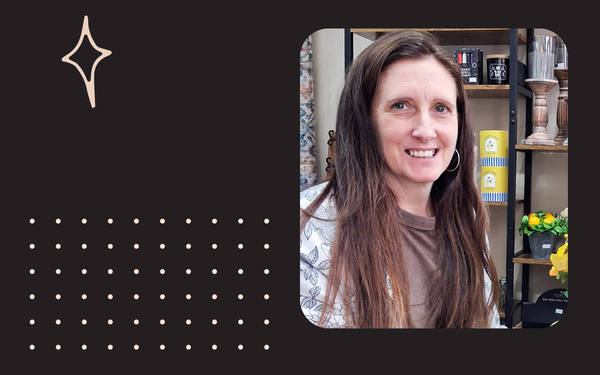
30 Years, No Pivot: How Ariel Hyatt Built Cyber PR by Refusing to Chase Every Trend


When Ariel Hyatt launched her PR firm from a Boulder apartment in the 1990s, she didn't set out to build a one-woman operation. Within three years she had a team and a roster of 22 bands across the country, built almost entirely through word of mouth and years of relationship building at other agencies before she ever struck out on her own.
Nearly thirty years later, Cyber PR has survived MySpace, the rise and fall of a dozen platforms since, and the constant reshuffling of how musicians reach their audiences. Hyatt's answer to staying relevant wasn't reinvention. It was consistency. She kept teaching artists the same core principle regardless of which platform was trending: ownership of your audience matters more than any single channel.
In this conversation, Hyatt talks about growing up with an entrepreneur mother and a filmmaker father whose industry upended around him, why she built Cyber PR as both an agency and an educational company from day one, and why the hardest part of thirty years in business was never the pivots, it was staying enthusiastic through them.
Are you a woman leader with an inspiring journey to tell? Founded by Women is on a mission to elevate and amplify the voices of women making an impact. If you’re breaking barriers, driving change, or paving the way for others, we’d love to feature your story. Get in touch with us today! 👉 hi@foundedbywomen.org
Q: You started Ariel Publicity from your Boulder apartment in the 1990s, and within three years had a roster of 22 bands across the United States. What made you take that leap from working at venues and managing bands to starting your own PR firm, and how did you convince musicians to trust a one-woman operation run from an apartment?
A: My mother was a highly successful entrepreneur, so I grew up with a great example of what it looked like to build a business from the ground up. Owning my own company always felt like a natural path for me because I saw firsthand the freedom, purpose, and independence that entrepreneurship could provide.
It was never really a one-woman operation. From the very beginning, I had an assistant, and within three years I had a team of four or five people. The agency was based out of my home, but it had its own dedicated floor, and since most of my clients were touring musicians, very few ever needed to come into the office.
By the time I launched Cyber PR, I had already spent years building relationships and working hard for artists at other agencies. My reputation preceded me, and in the music industry, word of mouth travels fast. One happy client led to another, and before long my roster grew organically through referrals.
Q: You've written multiple books, spoken at over 100 conferences across 13 countries, and your principles are now taught at universities like Middle Tennessee State. Your latest book even hit number one on Amazon. When did you realize that teaching musicians how to market themselves was just as important as doing the PR for them, and how has that shift from service provider to educator changed your business model?
A: I never really made a shift from publicist to educator. Education has always been part of my work.
I grew up with a front row seat to what happens when a creative industry changes and an artist struggles to adapt. My father was a very successful filmmaker when I was young, but as the film and television industry evolved, I watched how difficult it could be to pivot. That lesson stayed with me.
I've always felt a deep responsibility to help musicians understand marketing because I love music and I love artists. The more musicians we empower to build sustainable careers, the more art gets made, and I think that's good for all of us.
From the beginning, Cyber PR was both an agency and an educational company. We didn't just want to do the work for artists. We wanted to teach them why we were doing it, so they could make smarter decisions long after a campaign ended.
It definitely created twice the work, but it's also been one of the most rewarding parts of my career. Every book I write, every course I build, and every presentation I give sharpens my own thinking and helps my team become better marketers, too.
Q: You've been running Cyber PR since 1996 - nearly 30 years in an industry that's changed dramatically from MySpace to TikTok. How have you kept the business relevant through every platform shift and trend, and what's been the hardest pivot you've had to make as an entrepreneur to stay ahead of the curve?
A: Yes, we just turned 30! It's hard to believe. I have kept my business relevant by never changing the core messaging of what I do - the platforms may shift, but the philosophy never changes. Being successful as an independent artist in music is about understanding and owning as much of your audience as possible. I have kept the same core messaging for all of these years. I would say the hardest part has been sustaining my passion and staying true to my purpose - as we grow older and our lives change, so do our priorities and passions. So, it's been less about specific pivots and more about staying in the game while jumping from precipice to precipice while maintaining enthusiasm.
Are you a woman leader with an inspiring story? Founded by Women elevates the voices of women making an impact.
Breaking barriers or paving the way for others? We'd love to feature you. Get in touch! 👉 hi@foundedbywomen.org