The Executive, the Artist, and the Idea She Carried for a Decade

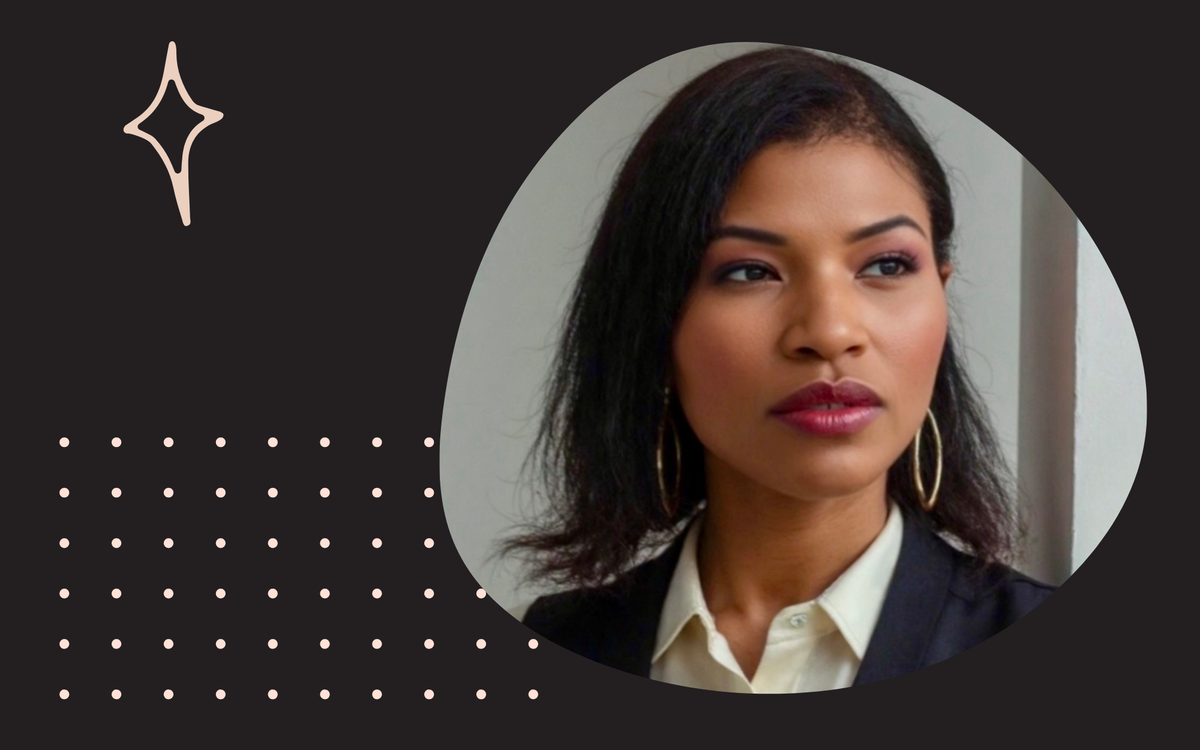
Rosie Hewat is a Chartered HR executive, entrepreneur, and founder with over 25 years of experience helping start-ups, technology companies, and scaling organisations build people functions that actually work. Through Rosie's People, her global HR and business operations consultancy, she has partnered with leadership teams and boards across six continents, working with clients ranging from fintech scale-ups to public sector bodies. Alongside her consultancy practice, Rosie is the founder of Mitchly, a platform at the intersection of music, community, and AI-driven creativity, as well as a recording artist under her creative identity, Candy Rose.
In this conversation, Rosie shares what drove her into people operations, why she believes the growing narrative around AI replacing human contribution is one worth challenging, and how she has spent years building across executive leadership, entrepreneurship, and creativity simultaneously - long before that became a trend.
This is part of our ongoing 20 Founders On a Mission series. New editions publish regularly. To be featured or nominate a founder, write to us at hi@foundedbywomen.org
What inspired you to start?
My career has always centred around leadership, people, innovation and growth.
What originally inspired me to move into HR and people operations was quite simple: I wanted to become the person I wished I’d had access to during my own career journey.
Early on, I saw how many employees struggled silently with workplace challenges, unsure who they could speak to, whether they would be taken seriously or whether anything would actually change. At the time, HR often had a reputation for feeling disconnected, procedural or inaccessible, and I wanted to help challenge that perception.
I believed there had to be a more human way to approach people operations — one that balanced empathy with strategy and recognised that people should never be treated as an afterthought to business growth. To me, people operations should be embedded into the strategic design of an organisation, because people are ultimately at the heart of every successful business.
Through Rosie’s People, my executive HR and business operations consultancy, I’ve spent years supporting founders, leadership teams, boards and scaling organisations across multiple industries, particularly within start-ups, technology and innovation-led businesses. Alongside that, I’ve also built businesses, invested in ventures and maintained a creative career as a recording artist under my artist identity, Candy Rose.
Music and creativity have always been deeply important to me because art, in all its forms, is one of the most powerful ways human beings connect with one another. Even within my creative work, I found myself naturally applying lessons from leadership, branding, strategy and business growth. In many ways, both worlds continuously informed each other.
Mitchly itself is an idea I’ve carried with me for well over a decade. Long before the current AI boom, I already knew there was a major problem within the music and creative industries that I wanted to solve. At the time, however, the technology simply didn’t exist to make the vision fully possible, and I was often told the idea was unrealistic or impossible.
What’s changed now is that technology, particularly advancements within AI and creative technology, has finally started catching up with that vision.
That’s one of the reasons I’m passionate about approaching AI responsibly. I see AI as a tool that can unlock opportunity, creativity and innovation when used correctly. Ironically, AI itself only exists because of human imagination, ambition and creativity. Human innovation created AI, so I think it’s important that we don’t lose sight of the people behind the technology.
Having worked closely with fast-growth businesses and technology-driven teams for years, and even helping to hire, train and build some of the people shaping future technologies along the way, I’ve seen firsthand both the incredible power of innovation and the risks of removing humanity from the centre of decision-making.
Mitchly represents the intersection of everything I’ve learned across executive leadership, entrepreneurship, creativity, technology and people.
More personally, I also hope my journey encourages other women not to feel pressured to shrink themselves into a single box. For years, I balanced executive leadership, entrepreneurship, creativity and innovation side by side, even when those worlds didn’t always appear to fit neatly together publicly. Sometimes the things that make us different are actually the foundation of the most meaningful things we’ll eventually build.
What problem are you solving?
One of the biggest challenges I see right now is the growing disconnect between technology and humanity.
AI can absolutely improve productivity, accessibility and innovation when used responsibly. However, I think there’s an increasingly dangerous narrative emerging that human contribution is becoming disposable, and I fundamentally disagree with that approach.
Technology should enhance human capability, not erase it.
Mitchly is being built around the idea that innovation and humanity should coexist. I’m far more interested in creating opportunities, fostering collaboration and driving meaningful progress than simply replacing people for efficiency’s sake.
I also believe people are increasingly craving authenticity and human connection again — whether in leadership, business, creativity or technology. Audiences want brands, founders and platforms that feel thoughtful, real and purpose-driven.
At its core, Mitchly is about embracing innovation while keeping people firmly at the centre.
What’s next for you?
I’ll continue growing Rosie’s People and my wider consultancy work while thoughtfully and intentionally building Mitchly alongside them.
A major part of my career has involved helping businesses scale, advising leadership teams, supporting founders and building strong people-focused strategies, and that remains a huge part of who I am professionally. What’s changing now is that I’m increasingly applying those same lessons and experiences to my own ventures.
Alongside that, I’m continuing to write and speak more publicly about leadership, technology, creativity, responsibility and the future of work. Through platforms such as Brains Magazine, media commentary and public discussions, I’ve increasingly spoken about the intersection between creativity, technology, identity and responsible innovation.
Personally, I’ve never seen my executive career, entrepreneurial ventures and creative work as separate versions of myself. They’ve always coexisted quite naturally.
For many years, however, those worlds were intentionally kept more separate publicly, largely because of external perceptions around what leadership, professionalism and credibility were “supposed” to look like. There were people who knew me exclusively as Rosie within executive and boardroom environments, and others who only knew me as Candy Rose within creative spaces.
In reality, both have always shaped the way I think, lead, build and create. The strategic discipline from the corporate world strengthened my approach to business and creativity, while creativity itself strengthened my understanding of people, emotion, storytelling and human connection.
I think the world is gradually becoming more open to the idea that leadership, creativity, innovation and entrepreneurship do not have to exist in separate boxes; and I hope more women, in particular, feel empowered to embrace every dimension of who they are without feeling pressured to reduce themselves to fit a single narrative.
Ultimately, what’s next is continuing to build meaningful businesses, create opportunities for others and contribute to conversations around innovation in a way that remains deeply human while fully embracing the possibilities of technology.
This is part of our ongoing 20 Founders On a Mission series. New editions publish regularly. To be featured or nominate a founder, write to us at hi@foundedbywomen.org