Why Your Body Isn't Broken - Lauren Goyette Rowe on Desire, Disconnection, and Rebuilding Intimacy
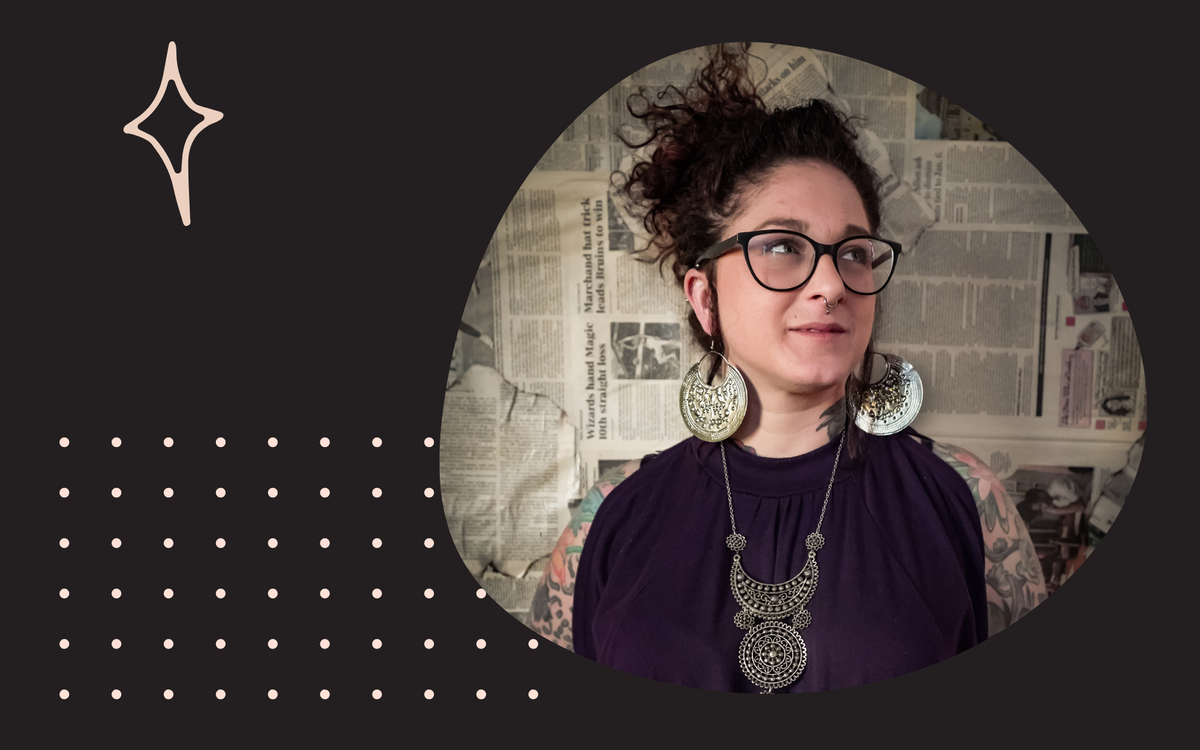
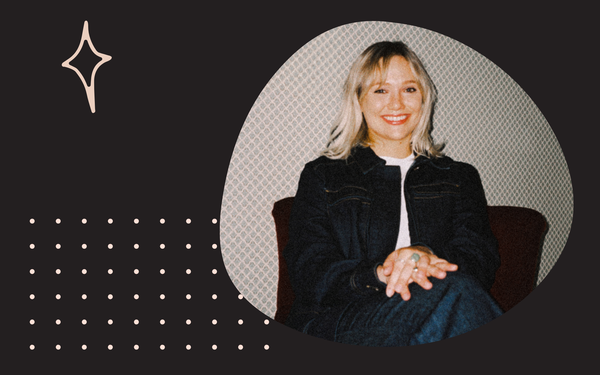
Lauren Goyette Rowe is a sexual wellness educator and coach who has spent over a decade helping women and couples understand desire, intimacy, and the dynamics that quietly shape their relationships. Since 2013, she has worked at the intersection of sexual health, pleasure education, and relationship coaching - building a framework that goes far beyond surface-level advice.
Her approach is rooted in one foundational insight: low desire is rarely a personal failing. It is almost always a response to something - stress, mental load, nervous system dysregulation, or a slow drift into emotional disconnection. Lauren helps women stop diagnosing themselves as broken and start understanding what their bodies are actually responding to.
Through body-based tools, nervous system support, and practical communication strategies, she guides clients toward what she calls a Personal User Pleasure Manual - a clear, embodied understanding of what they love, crave, and need, along with the skills to communicate it. Her work meets people where they are, not where they think they should be.
Q: You work with burned-out, low-libido women who feel disconnected from their bodies - what's usually the first thing you help them understand that genuinely shifts things for them?
What I usually help women understand first is that their libido isn't broken - it's actually just not responding to the current input, stimuli or nervous system state. Most of the women I work with are exhausted, overstimulated, and carrying a lot mentally and emotionally. And then on top of that, they're wondering why they don't feel turned on. Because desire doesn't thrive in stress. It thrives in safety, space, and presence.
So the first shift is helping them stop making it mean something is wrong with them and instead start looking at their nervous system, their stress levels, their mental load, the dynamic in their relationship, and what their body and desire type is craving now. When that clicks, there's usually a lot of relief. From there, we can actually start rebuilding connection with their body in a way that feels supportive instead of forced.
Q: You've said that being in "roommate mode" with a partner is one of the most common patterns you see. What does it actually take to move out of that dynamic - and why do most couples get stuck there?
"Roommate mode" is one of the most common patterns I see - and honestly, it sneaks up on people. It usually looks like talking only about logistics, dividing responsibilities and bills, running the household like a team - but not actually feeling like partners. There's no real emotional or physical connection happening.
What it actually takes to shift out of that is intentional reconnection. Not just "we should spend more time together," but learning how to talk without it turning into tension or blame, rebuilding emotional safety and getting to know each other again, bringing back playfulness and curiosity like there was in the beginning, and reintroducing touch in a way that doesn't feel like pressure.
Most couples get stuck because they think: if we love each other, this should come naturally. But no one teaches people how to stay connected when life gets heavy. So they drift, assume something is wrong, and then avoid the exact conversations that would actually help.
Q: Your approach blends body-based tools and nervous system support alongside practical coaching. How did you come to that framework, and what made you realize that traditional relationship advice wasn't cutting it?
My approach really came from seeing the gap between what people are told to do and what actually works in real life. A lot of traditional relationship advice is very surface-level - things like "just communicate more," "schedule date nights," "try to be more intimate." And people try those things and then feel frustrated when nothing actually changes.
What I started noticing in my work is that people weren't lacking effort - they were lacking capacity, curiosity, and communication skills. If someone is stressed, overwhelmed, disconnected from their body, feeling unsafe in their relationship, or harboring resentment from years ago - they can't just "talk better" or "desire more." So I started integrating more body-based and nervous system work alongside practical tools for communication and intimacy.
Because once the body feels more regulated and supported, everything else becomes a lot more accessible. It's not about forcing connection. It's about exploring where you are now, what the body craves, what the body is turned off by - and creating your Personal User Pleasure Manual so you're crystal clear on what you love, desire, and crave, with the skills to communicate that with intention.
Are you a woman leader with an inspiring journey to tell? Founded by Women is on a mission to elevate and amplify the voices of women making an impact.
If you’re breaking barriers, driving change, or paving the way for others, we’d love to feature your story. Get in touch with us today!
👉 hi@foundedbywomen.org