Walking Down Fleet Street With a Roll of Whiteboard Charts: Sallee Poinsette-Nash on Building Brandable & Co. From a Borrowed Meeting Room to World-Leading Firms, and Why AI Remains a Thought Partner (Never a Decision-Maker)
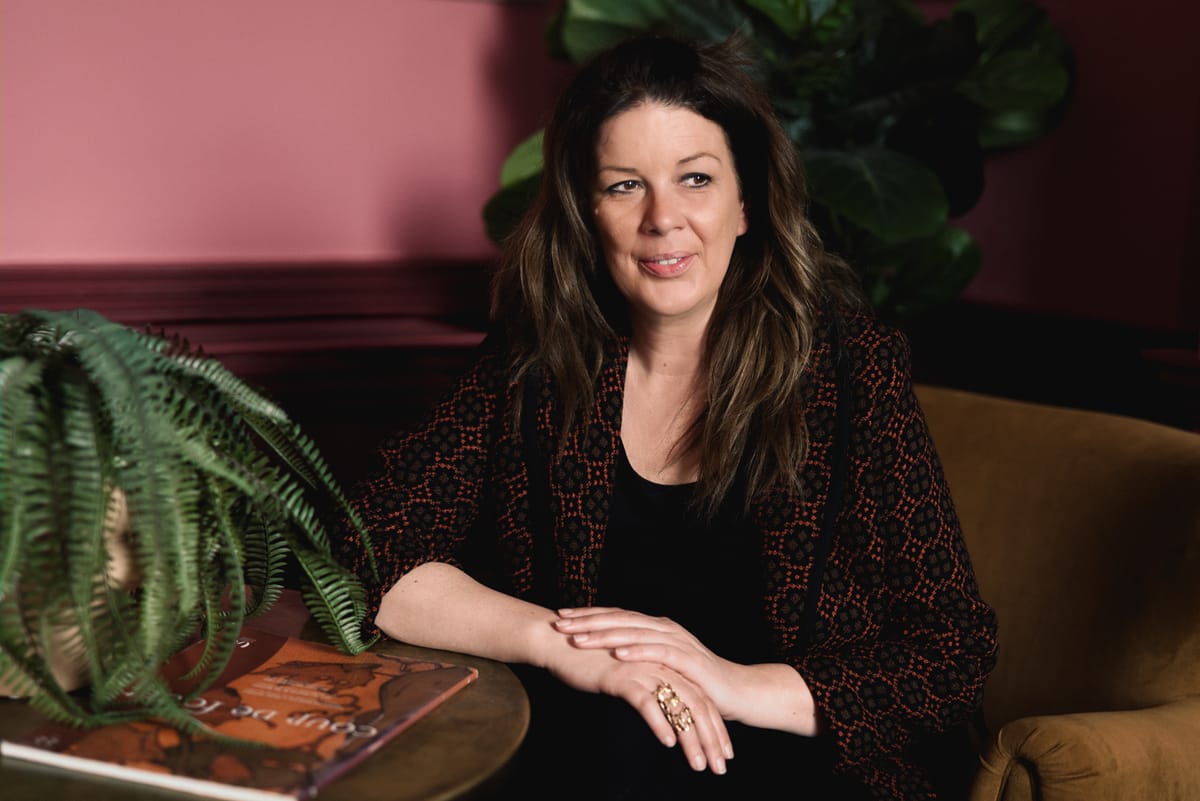
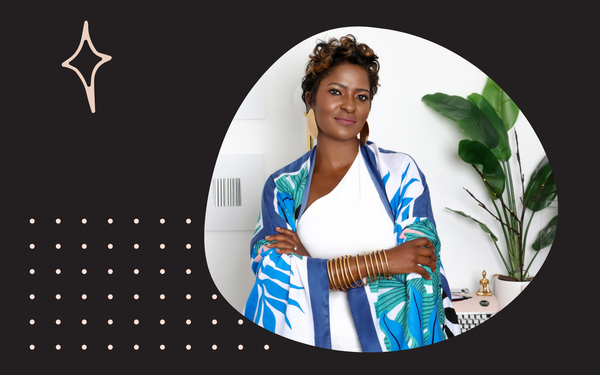
Sallee Poinsette-Nash spent 20+ years holding CEO and COO positions, working with HNWIs, and building her reputation as someone who could "work with the unworkable" before she founded Brandable & Co. in 2018. But when she finally left employment to launch her award-winning people-brand strategy agency, she had zero clients. Just a vision, a roll of whiteboard charts under her arm, a bag full of Sharpies, and a borrowed meeting room on Fleet Street in London where she ran her first one-to-one brand strategy workshop. It went better than she thought. She built from there, both the business and her self-confidence. When BCG joined her client list after those first 10 clients, that logo finally made her believe she could actually do this.
Now, Sallee is one of the UK's leading people-brand strategists, working with the Big Three consulting firms, Fortune 500 companies like Oliver Wyman, Figma, Deutsche Bank, and world-class professional services firms. She's a United Nations UK Women delegate, a sought-after speaker who delivers keynotes globally (she's an introvert who really likes people), and a mentor committed to making career strategy accessible through Brandable & Co.'s Pay It Forward initiative. Her tagline captures her entire philosophy: "Make the competitive edge you're seeking the conversation you're leading." Translation? Stop doing more. Start doing more with what you already do.
Here, Sallee breaks down the 1cm rule for positioning yourself ahead without fabricating credentials (how to connect people to the "future you" so they forward opportunities weeks, months, years later), why relationship-focused positioning opens more doors than trying to match big agencies from day one, her framework for extracting maximum ROI from a single speaking engagement (spoiler: most people prepare the speech, deliver the speech, post on social media, and move on—leaving 90% of the value on the table), and how she uses AI as a thought partner but never as a spokesperson or decision-maker. AI counts filler words, deep-dives into ICPs, and sorts survey results at lightning speed. But it does not, and will not, have permission to decide who a client is, what they stand for, or how they build brand equity. That stays firmly on the human side, where experience, instincts, and lived context add value no model can replicate.
From CEO/COO Roles to Founding Brandable & Co. and building a Human-Brand Agency
You spent 20+ years holding CEO and COO positions before founding Brandable & Co. in 2018, an award-winning people-brand strategy agency that has worked with the likes of BCG, Oliver Wyman, Figma, Private Banks and other Fortune 500 companies. For female entrepreneurs transitioning from senior corporate roles to entrepreneurship, what made you decide to leave executive positions to start your own consultancy? How did you secure high-profile clients from the start, and what advice would you give women about positioning themselves as credible alternatives to established agencies when they're just launching?
I was always going to leave ‘employment’, but I knew I had to build my experience first. I did things slowly, transitioning from employee to consultant, working with HNWIs and in Interim roles for 8 years before setting up my business. I’d become known as someone who could ‘work with the unworkable’, and I’d reached a point where it became... well, unworkable! I’d finally got to the point where I wanted to build my own business on my own terms and focus on everyday ‘humans at work’. So, I did... no pivotal moment, no dramatic exit, just an overdue decision followed by doing.
I had no clients. I walked down Fleet Street in London with a roll of whiteboard charts under my arm and a large collection of Sharpies in my bag. I had a vision in mind and I ran a one-to-one all-day workshop for my first-ever test client, in a meeting room I’d ‘borrowed’ from a friend of mine. It went better than I thought it would, and I built from there... both the business and my self-confidence! I continued offering one-to-one brand strategy to my first 10 clients, then BCG joined the client list, and the arrival of that logo drove me to start believing that I could do this!
Every opportunity that has come my way has either been the result of relationships or my personal brand. It’s well-known that I’m an introvert (who likes people), so when I say ‘personal brand’ I don’t mean that millions of followers, big stages, high-energy kind of personal brand... I mean showing up in the aligned spaces, for aligned people, with a strategy that works for me.
For women positioning themselves as a credible alternative to established agencies when they're just launching, the clue is in the question and in my answer... ‘positioning’. So many people position themselves exactly where they are today, and when that happens, no one knows where you’re going; therefore, they can't help you get there. I teach something so simple but highly effective in so many of our Masterclasses: the 1cm rule.
Here’s a quick 1cm rule breakdown so you can start applying it and connect whoever you’re next in conversation with to the ‘future you’
- Current brand positioning = today = 0cms
- Future brand positioning = 2035 = 30cms
- Spend time defining your 30cms
- Reverse engineer back to today
- Then position yourself 1cm ahead. Not 5cms. Just One.
Example:
- 30cms: I want to be working with multiple high-profile clients in 2035
- 0cms (today): I’m not working with any high-profile clients!
- Where will I need to be in 2030, 2028, 2026?
- Who will I need in my network in 2030, 2028, 2026?
- Positioning 1cm ahead could look like:
- Them: What did you get up to at the weekend? You: I caught up with a friend for dinner, went for a long walk by the coast, and was thinking about a LinkedIn resource I want to curate on women who have become credible alternatives to established agencies and landed high-profile clients. Do you know anyone I should think about featuring in it? How was your weekend?!
- LinkedIn post: I’m planning to curate and share a directory of women who have become credible alternatives to established agencies and landed high-profile clients in their first year of business. Know someone who should be featured in it? Tag them below to share this post with them.
- It’s not necessarily about getting names of people; that's just a bonus. The person who asked you how your weekend was, and anyone who read that post, can now connect the current you with the future you. You haven’t fabricated anything because it’s only 1cm ahead of you and you’ll be amazed at how many people forward you useful things, opportunities and connections, weeks, months and years later with “I recall you saying you were planning to do something on LinkedIn on this, I just met this incredible person / I read this and thought it might be of interest / Wondered if you knew about this event?
- That’s 1cm ahead. At whichever point you’re at on the ruler!
Well-positioned and relationship-focused will open up more growth opportunities than trying to match big agencies from day one.
"Doing More With What You Already Do" and Your Philosophy on Competitive Advantage
Your tagline is "Make the competitive edge you're seeking the conversation you're leading," and you teach clients to leverage what they already have rather than constantly "doing more." For female founders overwhelmed by endless advice to do more marketing, more content, more networking—what's your framework for identifying and amplifying the assets, expertise, and relationships they already possess? How do you help leaders turn their existing experience into strategic positioning, and what's the difference between personal branding that works versus personal branding that feels inauthentic or performative?
We’re all doing a lot, and the last thing we need is the pressure and time challenge of ‘more’. Let’s take a speaking engagement as an example here because it touches on your ‘more marketing, more content, more networking’ comment.
Lots of people will prepare their speech, deliver their speech, put a post on social media of them on stage... and move on.
That approach has a very low return on time, energy and expertise investment. Here’s how my ‘do more with what you already do’ mindset views the same speech.
Before the speech
- Agree 3-5 social media posts with organisers before agreeing to speak, and if it can’t be shared publicly, agree internal comms with a link to your website or LinkedIn profile.
- If there is no fee, ask if they can make a donation to a charity of your choice. This is useful when you can’t talk about the client/event. You can then share that your talk had an impact beyond the stage and shine a spotlight on that Charity via your socials.
- Consider whether you can create personal IP and turn this talk into a signature keynote that you can also deliver elsewhere in the future?
- As you practice your talk, record your rehearsals on Zoom so you have a transcript that can be repurposed for social media content.
- Get photos/videos of you rehearsing and share on social media.
During the speech and event
- Your speech needs to do two things:
- Encourage your audience to do or think differently after they’ve listened to you.
- Deliver a keynote that books the next one! You can use the 1 cm rule here too.
- Get lots of image and video assets (on the way to the event, backstage, on stage)
- Connect with as many people as possible via LinkedIn... there and then, not “I’ll do it after”
After the event
- Follow up with organisers (maximum 48 hours)
- Request any professional photography/videos
- Ask for a testimonial or LinkedIn recommendation
- Upload your transcripts to your preferred AI tools for creating multiple social posts
- Pull any videos or rehearsal recordings (you can remove the volume if needed) into Descript or your preferred all-in-one video editing and content repurposing tool
- Use the content as a pick ‘n’ mix and schedule intermittently over the next 52 weeks (you don’t need to keep mentioning it was from the same 60-minute speaking engagement!)
- Start having conversations about your signature keynote and position 1 cm ahead.
In list form, I‘m sure that it feels like a lot (and there’s so much more than that!) but essentially, it was one speech with what will now end up as a very high return! You could deliver 2 talks a year and achieve incredible returns on your time, energy and expertise or you could keep repeating version one: prepare the speech, deliver the speech, put a post on social media... and move on.
Blending AI and Human Strategy: The Future of Human-Brand Work
Brandable & Co explicitly blends "AI technology and human expertise" in your approach to personal branding and speaking strategy. For female entrepreneurs navigating how to integrate AI into their businesses without losing the human touch, how do you actually use AI in brand strategy work? What should founders understand about where AI adds value versus where human judgment is irreplaceable, and how do you work with clients to use AI tools strategically rather than becoming dependent on them or using them poorly?
I personally use AI as a thought partner, but never as a spokesperson or decision-maker. My team and I use it to structure, spot patterns, explore future trends and test positioning. It saves time and gives us a stronger starting point without compromising the quality of our client work.
I am holding position when it comes to ‘humans at work’ rather than going all in on building an AI tool. What AI can’t do at Brandable is decide who a client is, what they stand for or how they want to increase their brand equity. That stays firmly on the human side, where experience, instincts and lived context add far more value than any model.
AI supports the work and organises our thinking, it counts the WPM (words per minute) of the speakers we work with and lets us know how many times they used a particular filler word. AI deep-dives into our clients’ ICPs (Ideal Customer Profiles), reminds us of outstanding tasks, and sorts survey results at the speed of light.
But it does not, and will not, have permission to drive any of it!
I’ve seen a lot of AI slop out there. I suspect that people aren’t struggling because of AI itself, but because they don’t have a broad enough view or that they are using it without a strategy.
Are you a woman leader with an inspiring journey to tell? Founded by Women is on a mission to elevate and amplify the voices of women making an impact.
If you're breaking barriers, driving change, or paving the way for others, we’d love to feature your story. Get in touch with us today!
👉 hi@foundedbywomen.org