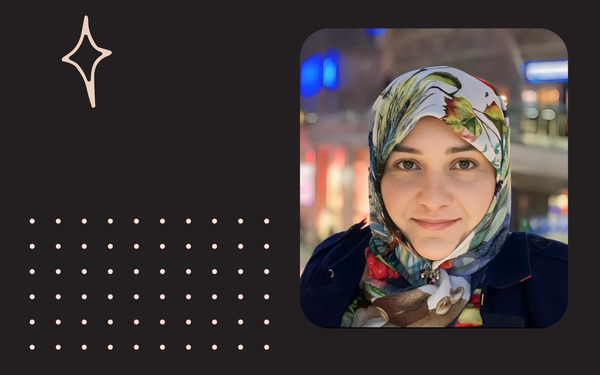
Rachelle Garcia of Tomedes on the Power of Translation to Bridge Cultures and Expand Businesses
A company can have a strong product and still lose a market in a single sentence. A message that reads as warm in one country can sound blunt, vague, or untrustworthy in another, and the founder rarely finds out why sales stalled.
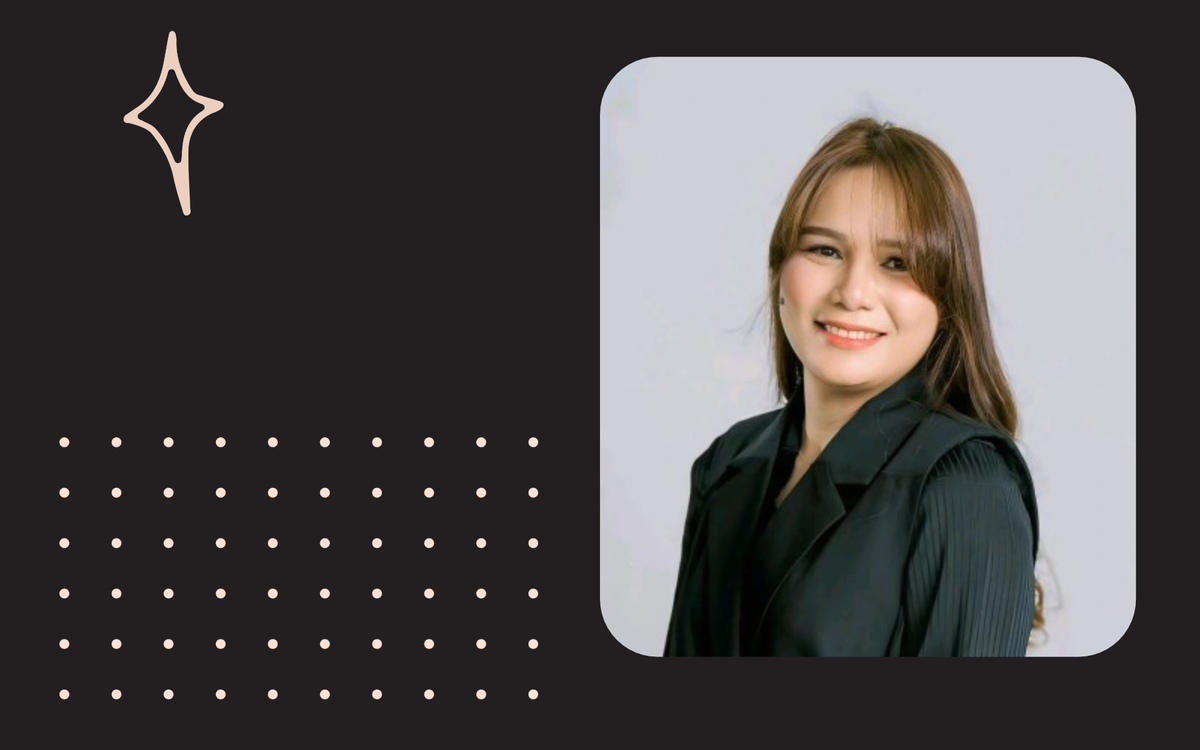
Rachelle Garcia has spent her career on that problem. As Head of AI at Tomedes, a professional translation company founded in 2007, she works where language technology meets the people who rely on it to enter new markets.
Her view is simple. Translation is not a back-office cost. It is the layer that decides whether a business is understood abroad.
Know a woman leader doing incredible work? The Founded by Women Awards are open for entries - founders, executives, professionals and changemakers alike. Showcase your story, gain visibility and connect with a community of leaders. 👉 foundedbywomen.org/awards
Key Takeaways
- Translation is a growth lever. It decides whether a message is understood and trusted in a new market, not just whether the words are correct.
- Most localization work arrives mislabeled. In the company's project data, a large majority of work that functions as localization is requested as translation, most visibly in marketing content.
- AI is now part of the workflow. In 2026, 21.5% of the company's global orders included AI-assisted post-editing or a managed AI translation service, up from 4.1% in 2025.
- Humans decide where errors cost money. In an internal test of ten AI models, every model chose the informal register for a client-facing message in Spanish and French that called for the formal one.
In This Article
- Why do businesses lose markets in translation?
- What does it take to bridge cultures through language?
- How does AI change the way businesses expand?
- Where should founders start?
- Quick answers
Why do businesses lose markets in translation?
Businesses lose markets when a message is translated word for word but never adapted to how local buyers read, judge, and trust it.
How localization connects global audiences comes down to that gap. Translation moves words between languages. Localization adjusts tone, examples, formats, and expectations so the message lands as if it were written locally.
Garcia sees the confusion in the data. In the company's project data, most work that functions as localization arrives at intake labeled simply as translation. Marketing content makes up over half of that localization-shaped volume.
Buyers know they need to reach new audiences. Many do not yet have a word for the adaptation that reaching them requires.
What does it take to bridge cultures through language?
It takes native-level judgment on tone, formality, and context, and no single tool supplies all three on its own.
How translation bridges language barriers in business is rarely about vocabulary. It is about register, politeness, humor, and what a phrase implies to one specific reader.
One internal test shows the risk. Ten AI models translated a client-facing business message into Spanish and French across two rounds. Every model, in both languages and both rounds, defaulted to the informal register for a message that called for the formal "usted" or "vous." Doubling the model pool from five to ten did not fix the miss.
Garcia reads that kind of result plainly when she looks at how her team's model comparisons work:
"That's the actual finding, not a marketing claim: consensus doesn't make every sentence better, and it doesn't need to. It's most valuable exactly where a single model's fluency gives you no reason to doubt it, and where being wrong actually costs something." Rachelle Garcia, Head of AI
The lesson for founders is practical. A fluent translation is not the same as a correct one, and the gap shows up exactly where a customer, a contract, or a regulator is reading.
How does AI change the way businesses expand?
AI makes multilingual expansion faster and cheaper, and it works best when professional linguists guide and verify the output.
The shift is already visible in order volume. In 2026, 21.5% of the company's global orders included AI-assisted post-editing or a managed AI translation service, up from 4.1% in 2025. Over 70% of projects now start with AI pre-translation before human linguists refine them.
The linguists' own work has changed with it. In an internal survey, translators reported spending 90% of their time on design, meaning tone, intent, and cultural nuance, up from 40% before AI took over grammar and syntax.
Garcia also works on the AI translation tool MachineTranslation.com, which shows several AI outputs side by side so a user can see where engines agree before trusting a result.
Ofer Tirosh, CEO of Tomedes, describes the problem that made this necessary:
"There was a gap between what users needed and what machine translation was delivering." Ofer Tirosh, CEO
Together, the two views describe one workflow. AI supplies speed and scale, and people supply the judgment and accountability that expansion depends on.
Where should founders start?
Founders should start by sorting content by risk, then matching each tier to the right level of human review.
- Separate customer-facing, legal, and medical content from internal drafts.
- Choose target markets from real demand data, not from a language count.
- Ask for localization, not only translation, whenever tone or examples need adapting.
- Keep a human reviewer on any text where an error costs trust or money.
- Have a native speaker read the result before launch.
Quick answers
Is translation the same as localization? No. Translation converts words between languages. Localization also adapts tone, formats, and context for one specific market.
Can AI replace human translators for business content? No. AI handles speed and scale, but in the internal ten-model test every model missed the formal register that a client-facing message required.
Does expanding abroad mean translating everything? No. Start with the customer-facing and high-risk content, then widen as each market proves its demand.
Final thought
Markets reward the businesses they understand and understand the businesses that speak to them clearly. For Garcia, translation is how that understanding begins, and people are still the ones who make sure it holds.
Are you a woman leader with an inspiring story? Founded by Women elevates the voices of women making an impact.
Breaking barriers or paving the way for others? We'd love to feature you. Get in touch! 👉 hi@foundedbywomen.org