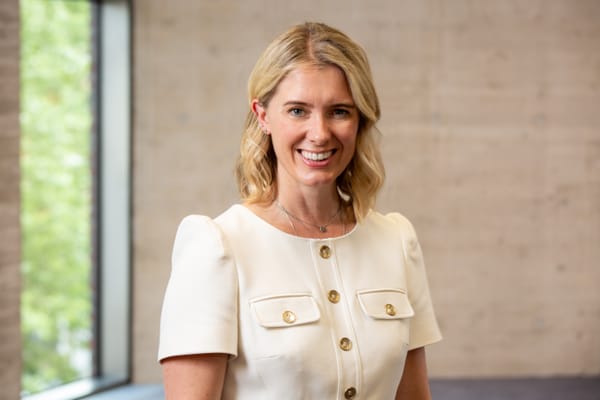
From Winning a Horse to 30+ Years Telling Agriculture's Story: Kenda Resler Friend on Founding KRF PR After Dow AgroSciences, Why "Everyone with a Smartphone Is a Reporter," and Building Her Third Storytelling Decade
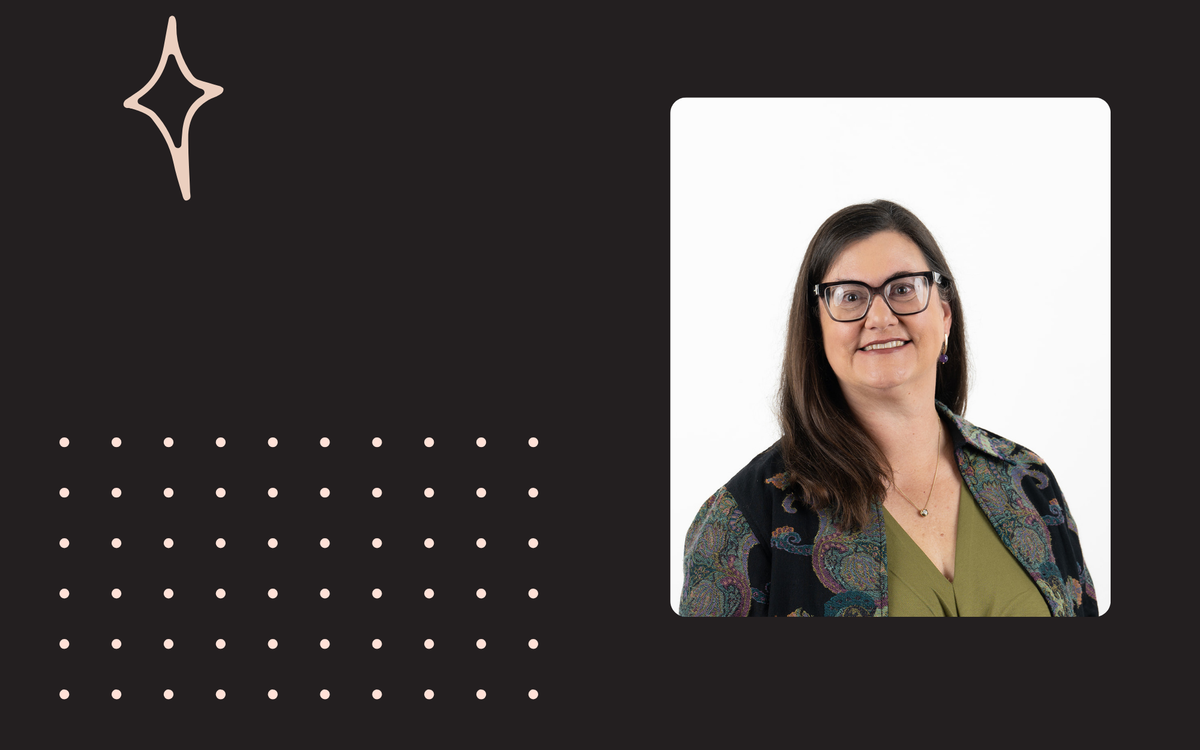
Kenda Resler Friend is the President and Founder of KRF Public Relations, an Indianapolis-based agency helping agricultural organizations, nonprofits, and businesses tell their stories. But her path to founding KRF PR in 2019 started with something unexpected: winning a free Quarter Horse named “Squirt” from Bob Evans Restaurants in 1984.
As Indiana’s outstanding 4-H Saddle Club member, Kenda enjoyed an all-expenses-paid weekend on Bob Evans’ farm (yes, the actual farm featured on their restaurant menus). During that weekend, she met Mary Cusick, the PR director, who was orchestrating seminars, talking to reporters, and speaking to the group. Kenda asked, “Do you get PAID to do all these great things like organizing, writing and public speaking?” Coming from a family of teachers and farmers in rural Indiana, she didn’t know PR was a career option. That conversation changed everything.
Kenda earned her bachelor’s degree in Public Relations and her master’s degree in Agricultural Communications from two different schools at Purdue University and is nearly four decades in on building her career across three distinct chapters. Her first decade was spent working for PR agencies around the U.S. Her second decade (actually 20+ years) was dedicated to leading corporate communications and media relations at Dow AgroSciences/Corteva, a major global agribusiness navigating massive corporate mergers and industry transformation.
In 2019, as the merger between The Dow Chemical Company and DuPont was finalizing, Kenda made a decision about her “third storytelling decade.” She retired from the corporate world with a safety net (guaranteed insurance and a pension—she jokes her husband “married for love but is staying for these benefits”) and founded KRF PR to work with people she likes on efforts she believes in.
A Purdue College of Agriculture Distinguished Alumni honoree and recipient of CropLife America’s highest honor (the Lea Hitchner Achievement Award), Kenda has spent her career working on fundamental questions: How are we telling the story of agriculture? Of women in leadership? Of nonprofits and the great work they do? She served as Board Chair of AgrIInstitute and has been passionate about helping organizations navigate a world where “everyone with a smartphone is a reporter.”
Her advice to agricultural businesses facing scrutiny? Stop spouting “science and facts” at consumers and expecting them to say “OK, you’re right.” Instead, lean into personal stories, look for shared values, and be good listeners. Nobody wants to be preached at. She’s created a training called “I’m Glad You Asked…Building Bridges with Communication” that helps people become more effective communicators, especially when dealing with critics.
In this Q&A, Kenda shares her journey from winning a horse to founding her own agency, her framework for helping agriculture tell its story authentically in an era of misinformation, and her advice for women leveraging decades of corporate expertise into entrepreneurial success.
From Winning a Horse to 30+ Years Telling Agriculture's Story - How a Free Quarter Horse Named "Squirt" Launched Your Career in Agricultural PR
A: Your career began when you won a horse from Bob Evans Restaurants as Indiana's outstanding 4-H Saddle Club member in 1984. During that weekend on the farm, you met Mary Cusick, the PR director, and asked "Do you get PAID to do all these great things like organizing, writing and public speaking?" Coming from a family of teachers and farmers in rural Indiana, you didn't know PR was a career option. That encounter led you to Purdue for both bachelor's and master's degrees in agricultural communications, then nearly four decades building your career - from PR agencies to 20+ years leading corporate communications and media relations at Dow AgroSciences/Corteva, to founding KRF PR in 2019 after retiring from corporate. Walk us through the decision to leave the security of corporate leadership to start your own agency. What did you see in two decades at a major agribusiness that made you realize you wanted to work differently? And for women in corporate agriculture or rural industries considering entrepreneurship later in their careers, what advice would you give about making that transition?
A: I feel blessed to have experienced the ag PR world through the different lenses of agency, corporate and business owner. Each transition in my career was driven by the “gut feel” it was time for something new. Sometimes that feeling was helped by external circumstances – like a massive corporate merger.
My corporate years exposed me to projects, people, leadership styles and global travel which are all experiences that helped equip me for my current chapter. I was in corporate America during a “golden age” in that when the merger happened I had the option to “retire” because I was over 50 with more than 10 years of service. This means I have a guaranteed insurance and a pension – I joke my husband married for love but is staying for these benefits.
This safety net made the decision to move on an easy one. I was ready to be my own boss, not have to worry about “turf wars” and 2019 was my moment.
I would encourage women of all ages to consider what your next chapter may be and realize you are never too old to try something new. You may have to “wait it out” until circumstances allow (e.g., insurance and family life considerations) but keep your eye on the prize of the freedom to do the work you want to do when you want to do it.
Helping Agriculture Tell Its Story in a World Where "Everyone with a Smartphone Is a Reporter" - Media Training, Crisis Communication, and Advocacy for an Industry Under Scrutiny
Q: You've spent your career working on the fundamental question: "How are we telling the story of agriculture?" You've led communications through major industry changes, received CropLife America's highest honor (the Lea Hitchner Achievement Award), served as Board Chair of AgrIInstitute, and now help agricultural organizations navigate a world where everyone with a smartphone is a reporter. For female founders in agriculture, food, or rural industries - sectors often facing public scrutiny, misinformation, or misunderstanding - what's your framework for telling your story authentically? How do you train organizations and leaders to communicate about controversial topics (pesticides, GMOs, livestock practices) in ways that build trust rather than defensiveness? And what are the biggest communication mistakes you see agricultural businesses make when facing criticism or media attention?
A: Authenticity starts with storytelling. For too long in agriculture, we would spout “science and facts” at consumers and expect them to say “OK, you are right.” Not effective! I work with a variety of farmers and allied industry members to lean into their personal stories about the food system and look for shared values with their audiences. We all care about the food we eat and feed to our families. It is important to be good listeners – and seek to understand the perspective of the 98 percent of people who don’t live on farms. We don’t have to agree, and need to gently correct myths, but nobody wants to be preached at. I have a training I offer “I’m Glad You Asked...Building Bridges with Communication” that helps people be more effective communicators.
Perhaps the biggest mistake I have seen over the years are leaders who think they can “wing it” for a speech or media interview. Preparation is the key to success and I reinforce that time and again to help my clients internalize that they need to build “muscle memory” when it comes to communicating in various situations, especially with critics.
Building KRF PR Around "Working with People You Like on Efforts You Believe In" - Creating a Small Business That Reflects Your Values After Decades in Corporate
Q: When you founded KRF PR in 2019, you made a conscious decision about your "third story-telling decade" - working with people you like on efforts you believe in, with clients big and small who want help telling their stories. You offer media training, copywriting, event planning, meeting facilitation, and communication strategy. For women leaving corporate careers to build consulting or service businesses, especially in specialized industries like agriculture, what's your advice about positioning yourself, attracting the right clients, and building a sustainable business that doesn't replicate the corporate structures you left behind? How do you balance the flexibility and purpose you sought with the realities of running a small business? And what would you tell women about leveraging decades of corporate expertise and relationships into entrepreneurial success?
A: Build your network! By having strong relationships in my industry of expertise, I was able to seek out the type of work that brings me joy. Being a trusted friend and partner doesn’t happen overnight and relationships take nurturing, so be intentional about how you spend time in the earlier chapters of your career. That means being involved in industry associations, taking on volunteer roles, and putting yourself out there beyond your company walls. It is never too late to make connections. I always encourage women to “stay in the game,” even if you need to step away from a job for personal responsibilities, so you can keep connecting and stay up to date on your industry.
Another key to success is simplicity. Having a great timesheet pivot table (developed by my husband who is a CFO) allows me to track billable time simply. I always do billing on the last day of the month (even if it is a weekend day – or New Year’s Eve). This type of basic operating discipline helps me spend the bulk of my time doing the work I love.
Balance takes on new meaning when you get to choose how to spend your days. I see time more like a pie – you divide it up depending on that day’s priorities. That could mean shopping at Costco during the day when it is less busy or proofing a client program on a Sunday afternoon. I was very blessed to be available during my kids’ high school years to be super involved in their school as PTO president and in other roles during COVID when strong volunteer leadership was needed so those “pie slices” were big at that moment in time. That said, I would caution fellow business owners to be very intentional about volunteer work. People think “oh she doesn’t go to an office, she has time,” so only say yes to areas of passion, or your days can fill up.
Above all, believe in yourself and your experience. When you have several decades of experience, you’ve learned and done so much, you need to be confident in what you have to offer. Being an entrepreneur means leaning into what you do best and enjoy – and leave the rest behind!
Are you a woman leader with an inspiring journey to tell? Founded by Women is on a mission to elevate and amplify the voices of women making an impact.
If you're breaking barriers, driving change, or paving the way for others, we’d love to feature your story. Get in touch with us today!
👉 hi@foundedbywomen.org