From Widowed with Two Young Children to The UK's First Widow Coach: Karen Sutton on Building "Finding Hope in Widowhood," Hosting The Widow Podcast, and Why "It Wasn't Just Him I Lost, It Was the Version of Me That He Knew"
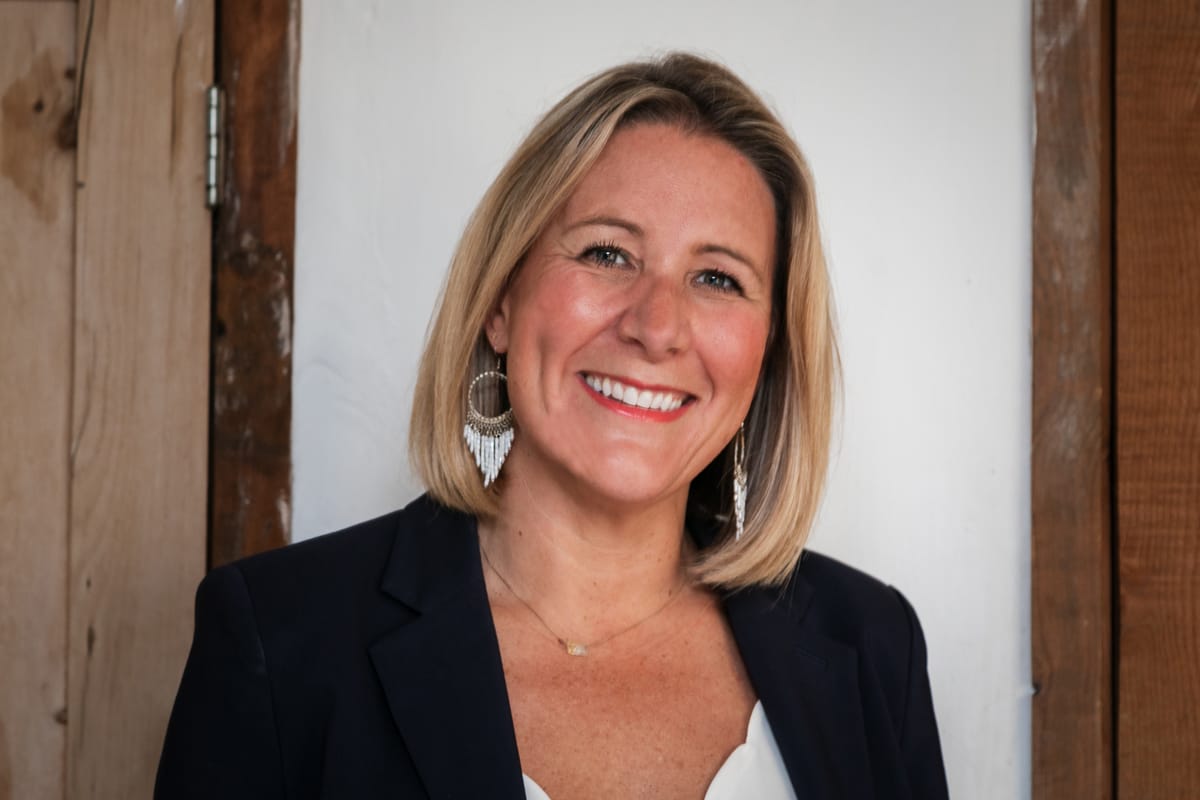
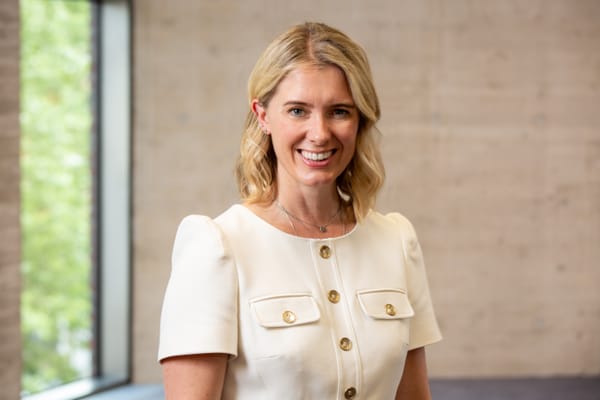
Karen Sutton is the UK's first specialized coach dedicated to supporting widows and surviving partners globally. But her path to building The Widow Coach Ltd came after the sudden death of her husband Simon in September 2016, when she was left widowed with two young daughters.
From the minute Simon died, Karen made a vow: "This would not define mine or my children's lives negatively forever. We were not going to be victims." She initially worked with a counselor to process her grief, which she calls invaluable for making sense of her emotions. But around two and a half years after Simon's death, although her grief had softened, she still felt deeply lost and alone. "I didn't know who I was anymore in this new reality. I didn't know what I wanted, or how to create a life that could feel good again as a solo parent and a widow."
That's when Karen made what she calls "the best decision I ever made"—she invested in a life coach. Though her coach wasn't grief-informed, the experience was profoundly transformative, providing tools, self-awareness, and personal growth she hadn't found elsewhere. It helped her realize what had been missing: a blend of grief education, coaching, and a safe, supportive space where people feel truly seen, heard, and understood.
Karen trained as a certified life coach, then as a certified grief educator through world-renowned grief expert David Kessler's program. She also trained as a Master Intuitive Psychology Coach, graduating in May 2024, which has allowed her to provide her Vibrant Living programme and Rise and Renew retreats. She's also trained as an integrative nutrition health coach, recognizing that grief impacts every part of life, not just emotions.
Since 2020, she's been providing emotional and practical guidance through group programs including "Vibrant Living" and "Finding Hope in Widowhood" (an eight-month program with twelve modules), widow retreats including "Rise and Renew," and her membership community "Re-member."
In addition to her coaching practice, Karen hosts The Widow Podcast (the first UK podcast specifically for those who have lost a life partner), which has reached listeners worldwide. The podcast shares essential tools and strategies for coping with bereavement, including episodes with David Kessler and other grief experts. Listeners describe it as "a lifeline" and "a reliable source of comfort and guidance in this often lonely healing process." Karen has been featured on BBC discussing widow support.
Clients praise Karen's work: "Working with Karen has been the best decision I've made since my husband died. I feel more confident and stronger than I could ever have imagined. I carry my grief with me in a more joyful way now." Another shares: "Her coaching has really helped me understand the things that were keeping me so stuck in my grief. I now feel a sense of calm and peace that I never ever thought possible."
Karen is passionate about the power of community, saying "some of the most cathartic breakthroughs occur as a result of widows discussing their grief collectively." Her "Finding Hope in Widowhood" program started as a small six-week offering and has evolved into an eight-month journey. Her "Re-member" membership community has grown organically from around 20 women to over 200.
Based in Cheltenham, Gloucestershire, Karen lives with her two daughters and continues to navigate her own grief journey while supporting widows globally. She's spoken openly about how "when my husband died, it wasn't just him I lost, it was the version of me that he knew" and how she's learned that "the hurt will never go away, but it's now a part of me and my new life—and that's ok."
In this Q&A, Karen shares her journey from widow and former NHS nurse and midwife to certified grief educator and coach, why she believes we live in a "largely grief-illiterate society," and her advice for women building businesses around sensitive topics while navigating personal trauma, caregiving responsibilities, and healing.
From Widow to "The Widow Coach" - Building the UK's First Specialized Coaching Practice for Bereaved Partners
You're recognized as the UK's first specialized coach dedicated to supporting widows and surviving partners globally. In 2016, you were widowed with two young children, and you transformed your personal journey of devastation and grief into a professional calling. You initially worked with a life coach yourself (which you've called "the best decision I ever made"), then became a certified life coach and later a certified grief educator drawing on the methodology of world-renowned expert David Kessler. Since 2020, you've been providing emotional and practical guidance through one-to-one coaching, group programs like "Vibrant Living" and "Finding Hope in Widowhood," widow retreats, and your membership community "Re-member." Walk us through the decision to formalize your experience into a coaching business rather than keeping it as lived expertise you shared informally. What made you realize there was space for a widow-specific coach in the UK, and what advice would you give women who've been through trauma or loss and are considering turning their healing journey into a business that serves others?
After my husband Simon died suddenly in 2016, I was left trying to work out how to live again. I was determined not to become a victim of his death and not to allow mine or my daughters’ lives to be defined negatively forever because Simon had died.
In the years that followed, I searched hard for support and for people who truly understood what it meant to lose a life partner and still want to move forward. I had a wonderful counsellor, and that safe space was invaluable for helping me process what had happened and make sense of my grief. But around two and a half years after Simon died, although my grief had softened, I still felt deeply lost and alone. I didn’t know who I was anymore in this new reality. I didn’t know what I wanted, or how to create a life that could feel good again as a solo parent and a widow.
That’s when I invested in a life coach – a huge decision financially and emotionally. My coach wasn’t grief-informed, but the experience was profoundly transformative. I gained tools, self-awareness, and a sense of personal growth that I hadn’t found anywhere else. It helped me realise what had been missing: a blend of grief education, coaching, and a safe, supportive space where people feel truly seen, heard, and understood.
We live in a largely grief-illiterate society. People are uncomfortable with grief, afraid of it, and unsure how to talk about it. Widows often feel invisible, as though their loss should be “over” after a year – something that couldn’t be further from the truth.
I realised that if this combination of support had been so powerful for me, then other widows would be searching for it too. That’s when I decided to formalise my lived experience into a coaching practice. I trained as a life coach, later as a grief educator through David Kessler’s programme, and I began working one-to-one with widows, blending what had genuinely helped me.
Over time, demand grew. I created Finding Hope in Widowhood as a small six-week group programme, which has since evolved into an eight-month journey. The power of community completely blew me away – women speaking the same language, holding space for one another, and realising they weren’t broken or alone. From there, my work naturally expanded into a membership community, retreats, and events.
My advice to women who’ve experienced trauma or loss and are considering turning their healing into a business is this: start by sharing your story. Speak, write, record, connect. You don’t need to be “fully healed” or years ahead – you only need to be a step or two ahead of those you’re supporting. But you do need to be supporting yourself. Your wellbeing must come first.
The Widow Podcast, Community Building, and Creating Safe Spaces for Grief - Your Framework for Supporting Women Through Loss
You host The Widow Podcast (featured on BBC), where you share essential tools and strategies for coping with bereavement, including episodes with David Kessler and other grief experts. You've also built multiple community offerings including your "Re-member" membership (a relaxed, informal group for widows to connect and support each other) and structured programs like "Finding Hope in Widowhood" (an eight-month program with twelve modules focused on helping widows understand who they are, what they want, and how to create meaning after loss). You're passionate about the power of bringing together people with shared experiences, saying "some of the most cathartic breakthroughs occur as a result of widows discussing their grief collectively." For female founders building coaching or community-based businesses around sensitive topics like grief, trauma, or loss, what's your framework for creating safe spaces where people feel comfortable being vulnerable? How do you balance emotional support with practical guidance, and what's your advice for structuring offerings (one-to-one coaching vs. group programs vs. memberships) when building a business that serves people through difficult life transitions?
Everything I do – whether through The Widow Podcast, my membership, or my programmes – is grounded in safety.
When people are grieving or navigating trauma, their nervous systems are often dysregulated. Creating a safe space isn’t just about emotional openness; it’s about calm, containment, and regulation. As a facilitator, your state matters. If you arrive overwhelmed or frantic, that energy transfers. I’m very intentional about grounding myself before sessions, often starting with a few gentle breaths or a short meditation.
I lead with honesty and authenticity. I don’t pretend to have all the answers or to have everything figured out. I share my challenges as well as how I support myself through them. That permission to be real allows others to be real too. At the same time, boundaries are essential – there are parts of our stories that are just for us, and that’s okay.
Structurally, safety comes from clarity and consistency: a clear topic, gentle facilitation, time for sharing, and sometimes small breakout rooms so people can connect more deeply. My role isn’t to fix or rescue, but to listen – truly listen – and to help people reconnect with their own inner wisdom and answers.
When it comes to structuring offerings, one-to-one coaching, group programmes, and memberships all serve different needs. One-to-one work is powerful but emotionally demanding. Group coaching works beautifully with as few as six to eight people, while memberships need a bit more momentum. I began my membership with around 20 women; it’s now grown to over 200, slowly and organically.
There’s no single right model. What matters is alignment – with your energy, your capacity, and the kind of life you want to lead.
Navigating Identity, Motherhood, and Business While Grieving - Building The Widow Coach Ltd While Raising Your Children
You're a mum who understands the unique challenges of grieving while raising children. You've spoken openly about how when your husband died, "it wasn't just him I lost, it was the version of me that he knew" and how you made a vow that loss wouldn't define your or your children's lives negatively forever. You've also trained as an integrative nutrition health coach, recognizing the importance of holistic health and sustainable behavior change in grief recovery. For female founders who are building businesses while navigating personal trauma, caregiving responsibilities, or major life transitions, what's your advice about maintaining boundaries and avoiding burnout? How did you manage the emotional labor of supporting other widows while still processing your own grief and raising your daughters, and what would you tell women about the timeline and pace of building a purpose-driven business when you're also healing from trauma?
Being widowed with two young children shaped every decision I made. My children have always been my priority. I wanted to be a loving, present mother and a role model – to show them that life can still be meaningful and fulfilling, even after loss.
Before Simon died, I was a nurse and midwife in the NHS. I truly believed that was all I knew how to do. Grief dismantled that belief and showed me how capable I really was. I went on to train as an integrative health coach because grief isn’t just emotional – it impacts every part of life. That holistic understanding has been incredibly valuable, both personally and professionally.
Burnout is a real risk, especially when your work involves emotional labour. I experienced it early on, doing up to six one-to-one sessions a day. I was exhausted physically, mentally, and emotionally. That taught me a vital lesson: looking after myself isn’t separate from my work – it is part of my work.
Boundaries matter. Regulation matters. Joy, rest, creativity, and connection matter. If you don’t tend to your own nervous system and wellbeing, you can’t sustainably hold space for others.
My advice to women building businesses alongside trauma, caregiving, or major life transitions is to take your time. Steady growth is far more sustainable than rapid expansion. It’s easy to focus on where you think you should be, rather than how far you’ve come.
And finally: carve out time for yourself every single day – not occasionally, not when everything else is done. Even 30 minutes to walk, journal, breathe, sit in the garden, or simply be. Everything you want to create starts with you.
Are you a woman leader with an inspiring journey to tell? Founded by Women is on a mission to elevate and amplify the voices of women making an impact.
If you're breaking barriers, driving change, or paving the way for others, we’d love to feature your story. Get in touch with us today!
👉 hi@foundedbywomen.org