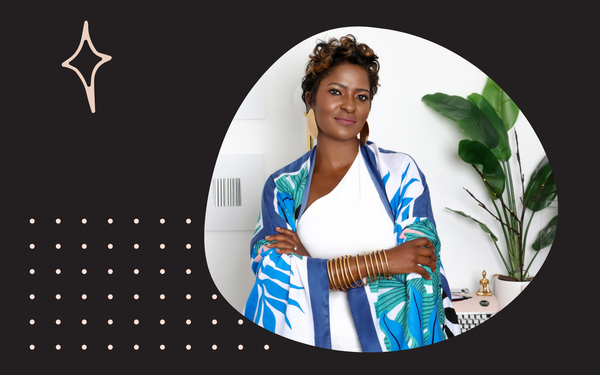
From Single Parent to Successful Coach: Gemma Hogan on Building Talenta, Overcoming Imposter Syndrome, and the 'Align & Act' Framework
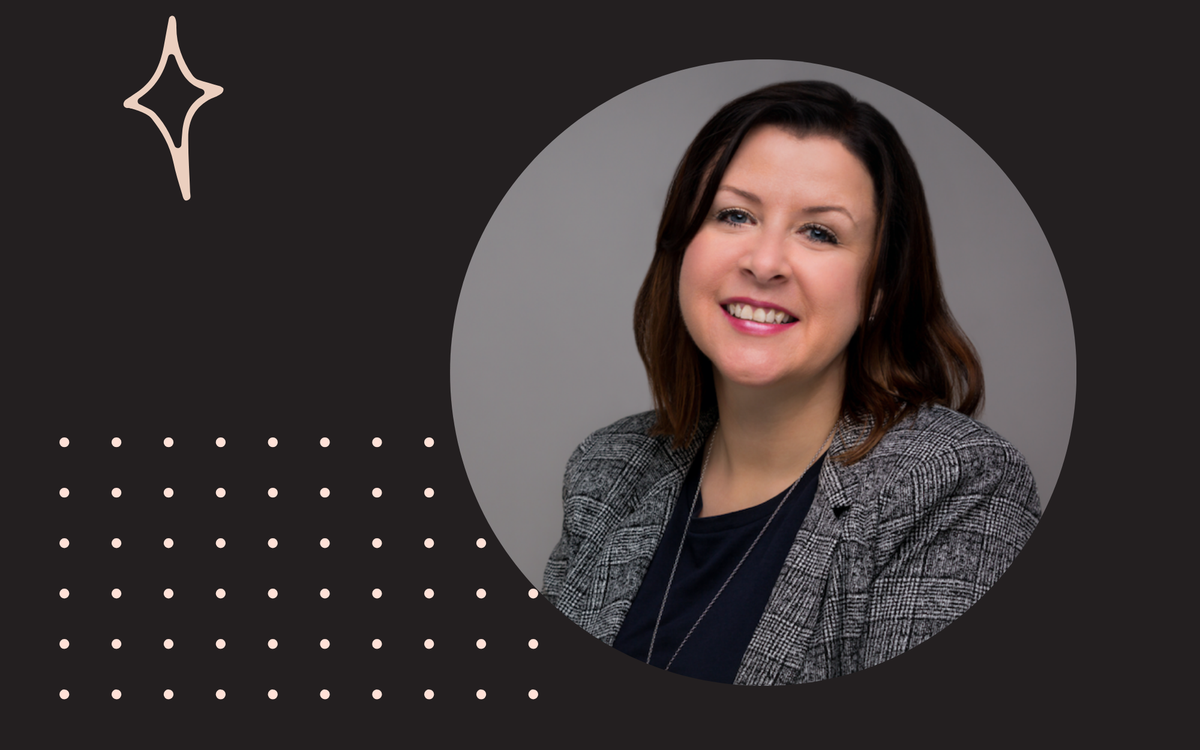
Gemma Hogan didn't have a traditional path into HR. As a young single parent without much education or experience, she made a decision not to let circumstances dictate her life. Evening classes, part-time roles, college, and university all while supporting her son. Sixteen years of grafting in corporate HR roles including designing Talent and Leadership Development programs such as a Business Academy, Management & Leadership Excellence, creating successful graduate schemes, and building mentoring programs that connected high performers with senior leaders.
But along the way, Gemma noticed something: she was far exceeding her own expectations at each career advancement, and many of the limits people experience are self-imposed. That realization led her to coaching, which became a game changer. It unblocked her limiting beliefs and crippling imposter syndrome. After experiencing the life-changing benefits firsthand, founding Talenta was the natural next step.
Now as a Confidence and Leadership Coach at Talenta, Gemma specializes in supporting women through career transitions, imposter syndrome, and self-limiting beliefs. Her coaching philosophy is "evolving from the Inside Out," creating what clients describe as "a spacious environment with full presence" that's both practical and holistic. She's helped clients navigate international relocations, career transitions, and business start-ups, guiding them from self-doubt and stuckness to self-belief and empowered action.
In this conversation, Gemma shares why she left stable corporate HR to build her own coaching practice, her "align & act" framework for building confidence and overcoming self-doubt, and what she's learned about finding your niche, pricing your services, and avoiding burnout while running multiple ventures and collaborations.
From Corporate HR, Talent and L&D to Founding Talenta - Building a Coaching Practice That Unlocks Potential
You're a Confidence and Leadership Coach at Talenta Ltd. You have extensive experience in Learning & Development, including designing and delivering Management, Leadership, and Excellence Programs, creating successful graduate schemes, and building mentoring programs that connect high performers with senior leaders. You've been described as having "an extraordinary ability to engage with leaders, identify key focus areas for improvement, and seamlessly design bespoke events" and as someone who "consistently strives to ensure that everyone has the opportunity to achieve their full potential." Walk us through your journey from corporate HR, Talent and L&D roles to founding Talenta. What made you decide to launch your own coaching practice, and what advice would you give women in corporate L&D or HR roles who are considering making the leap to entrepreneurship?
I didn't have a plan when I decided to make the leap from the safety of a highly successful and stable career in HR spanning 16 years - I just 'felt' it was the right time. I had a bumpy start to my HR career - I was a young single parent without much education and completely inexperienced in HR. However, I made the decision not to let circumstances dictate my life. I grafted - evening classes, part-time roles, college, university - all whilst supporting my son. I was determined and singularly focused on creating a successful career and being a great role model for my son. I noticed along the way that I was far exceeding my expectations at each of my career advancements and saw that many of the limits we experience are the ones we put on ourselves.
This eventually led me into the wonderful world of coaching which was a game changer for me - it unblocked my limiting beliefs and crippling imposter syndrome, and I've never looked back since. Having experienced the life changing benefits of coaching, launching my own coaching practice was the natural next step. I love helping clients move from self-doubt and stuckness to self-belief and empowered action, equipped with clarity, confidence, and practical tools to navigate challenges and live authentically.
Taking the leap into entrepreneurship is exciting, scary and brings a lot of self-doubt with it. The first 2 years are the most trying but if you truly believe in your purpose and craft, it's worth sticking it out as it provides opportunities, growth, flexibility, new partnerships and a sense of achievement. It's easy to become disconnected and isolated so create a virtual team around you, recruit your cheerleaders and contact your local Chamber / Growth Hub as there's a lot of resources, funding and mentoring support available.
"Evolving from the Inside Out" - Your Coaching Philosophy and Approach to Career Transitions
Talenta's coaching philosophy is "evolving from the Inside Out" and you specialize in supporting women through career transitions, imposter syndrome, and self-limiting beliefs. Your clients have described your approach as "gently challenging negative thought patterns with a perfect balance of kindness and understanding" and creating "a spacious environment with full presence" that's both practical and holistic. You've helped clients navigate major life changes including international relocations, career transitions, and business start-ups. For female founders and professionals struggling with imposter syndrome or facing major career transitions, what's your framework for building confidence and self-belief? How do you help clients identify and overcome self-limiting beliefs, and what advice would you give women about positioning themselves for new opportunities when they're struggling with self-doubt?
My 'evolving from the inside out' philosophy is based on my own experiences of overcoming self-doubt and imposter syndrome. I knew that in order to address these, I needed to spend time learning about and understanding my emotions and thoughts. I had to take a mirror and look closely at myself - it was hard. However, I learnt to think about and treat myself with kindness and compassion, instead of harshness and judgment. I learnt to recognise and accept my strengths and achievements, instead of chalking them up to luck. I learnt to trust myself and take risks more often, instead of playing small. It also helped to normalise imposter syndrome knowing that it affects 70% of brilliant, talented people at some point in their life. I didn't feel alone anymore. This is the how I work with my clients. I create a psychologically safe space where they can learn to understand and reframe emotions and thoughts, build their self-belief and connect with their confidence, using my 'align & act' framework:
- Recognise - identifying outdated scripts, limiting beliefs, and self-doubt.
- Reframe - creating a mindset shift, releasing negative patterns, and reconnecting with values and strengths.
- Step Into - taking empowered action aligned with true self and building confidence and momentum.
It's normal to experience feelings of self-doubt when positioning yourself for new opportunities. I often remind clients going through similar situations of a couple of models to help normalise feelings of self-doubt - the Learning Zone Model: this is where you're moving from your comfort zone (existing state) to the growth/stretch zone (engaging with a new state) which will naturally feel uncomfortable at first. When landing a new opportunity, the other model I reference is - the Four Stages of Competence Model:
- Stage 1 - you don't know what you don't know
- Stage 2 - you recognise what you don't know & start to learn it
- Stage 3 - you know you can do it now, with concentrated effort,
- Stage 4 - you can do it without thinking about it.
The first 2 stages feel uncomfortable but there is a light at the end of the tunnel.
Building Talenta, Surviving Covid and Running Multiple Service Offerings & Collaborations
You've been running Talenta for 6+ years. You've also completed your Master NLP Practitioner certification, survived Covid while remaining financially stable, and you're collaborating on coaching retreats for senior professional women and Elevate Her - a programme for aspiring female leaders. You've said you struggled initially with "trying to break into SMEs" before a mentor pointed out you should leverage your 16 years of corporate experience. For female coaches and consultants building their businesses, what's your advice about finding your niche and ideal clients? How do you balance running multiple ventures while maintaining quality and avoiding burnout, and what would you tell women about pricing their services to reflect their experience without underselling themselves?
I'll be honest, it took me 2-3 years before I really found my niche. It didn't help that Covid happened in the same 12-month period as my business start-up which meant that I needed to pivot temporarily for survival. I originally thought I wanted to work with SMEs, but it just wasn't happening. A mentor then pointed out that I should be leveraging my 16+ years of corporate experience instead of trying to break into a completely new market - it was obvious when he said it to me and so I about turned. The next challenge was niching this down further but with multiple service streams and the ability to work across multiple sectors, I found this really tricky. I received another great piece of advice from a fellow coach - she suggested that I look back at my coaching clients to see who I was attracting, as opposed to who I should target. This really helped me to find my coaching niche. Similarly, I looked back at my career highlights and achievements and what had given me joy, and this helped me to niche my consultancy services. If you're trying to find your niche whilst building your business, another great model is IKIGAI which you can use to plot:
- What you love - activities and experiences that bring you the most joy and fulfilment
- What you're good at - talents, skills and capabilities you possess
- What the world needs - contributions you can make to society or a community that address a problem or need
- What you can get paid for - services or products you can offer that others are willing to pay for
Another area I struggled with for a couple of years was pricing my services to reflect my experience without underselling myself. I was rubbish at this in the beginning, especially with my coaching services. My script was 'you're a newly qualified coach' but in reality, I had been informally coaching throughout my 16-year HR career. So, I learnt to reframe my coaching prices to take into account my extensive training, continuing professional development and my full experience across my career and as a leader, as opposed to from the point of becoming a qualified coach - I had been doing myself a dis-service. Also, focus on outcomes - what will your client be able to achieve? That's what they're buying.
Due to wearing so many different hats and juggling different clients, burn out is always a risk and I know other entrepreneurs who cannot switch off. A couple of years ago, I was collaborating with a fellow coach on two different coaching programmes, as well as working with clients on a 1:1 basis in two different organisations and also working for another client 4 days a month as a consultant. I could have burnout but made a conscious effort to avoid so by putting systems in place - a project plan, different project folders for each client / programme, scheduling breaks, not overbooking myself, going to the gym and getting out for walks. This meant that I was able to deliver a quality service for all my clients without running myself into the ground.
Are you a woman leader with an inspiring journey to tell? Founded by Women is on a mission to elevate and amplify the voices of women making an impact.
If you're breaking barriers, driving change, or paving the way for others, we’d love to feature your story. Get in touch with us today!
👉 hi@foundedbywomen.org