From Single Mom Working Three Jobs to Fortune 250 HR Executive to Founding WeMaax Consulting: Mary Axelsen on Walking Away from Corporate Status, Her CARE™ Framework for Disruption Management, and Why 'Your Energy is Your Most Valuable Currency
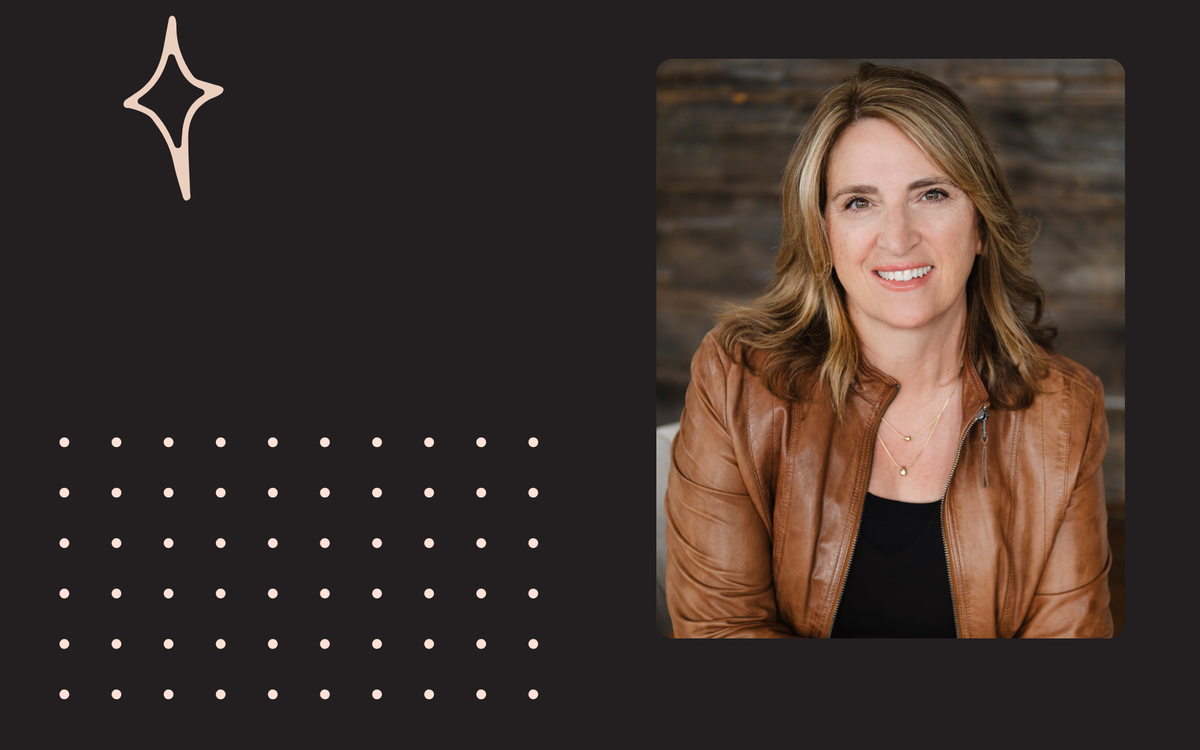
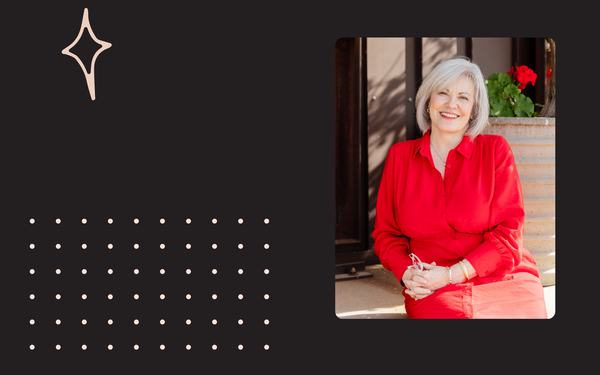
Mary Axelsen knows what it means to choose courage over comfort, and she's done it more than once.
In her twenties, as a single mother and sole provider, she left corporate America to attend college full-time. She worked three part-time jobs, raised her daughter, volunteered, and graduated debt-free. Years later, after building a successful career as an HR executive at Fortune 500 companies including Unum and LL Bean, working across insurance, healthcare, biotechnology, and retail, and in specific functions such as marketing, sales, IT, finance, and supply chain, she made that choice again.
She walked away from senior leadership to found WeMaax Consulting.
It wasn't fear-free. Leaving meant losing the identity and status that came with a corporate title, stepping into financial uncertainty, and wondering whether her experience would translate into an entrepreneurial business model. But Mary treated the transition like any major change initiative: she got clear on who she served and what problems she solved, designed a realistic financial and emotional runway, and surrounded herself with other founders and advisors so she wasn't doing it alone.
Today, Mary runs a leadership strategy and organizational transformation firm focused on purpose-driven strategies, preparing organizations for what's next, transformational leadership development and coaching, and elevating women's economic power. With a Master's degree in Organizational Leadership and certifications in DEBI, Change, Hogan, and 360 assessments, she's been featured in Forbes and has developed two proprietary frameworks: CARE™ for disruption management and Dare to Care™ for DEBI strategy. In her consulting firm, she has continued to support insurance, healthcare, biotechnology, and retail industries and functions such as marketing, sales, IT, finance, and supply chain, while also expanding to PE-backed companies, biopharma, and financial services. She works with high-growth companies and women leaders ready to challenge outdated systems and scale.
Mary is also an angel investor with How Women Invest, working to "disrupt the balance of economic power and get more wealth in the hands of female business owners with a variety of identities." She serves as a Board Member for ProsperityME and is a Leader Level Member of Women United (United Way of Southern Maine). Alongside psychologist Amy Wood, Psy.D., she co-created Breakout Leaders™, an experiential learning and targeted coaching program to unlock leaders' full potential.
Her philosophy centers on what she calls "whole person success": living a life that nurtures, honors, and celebrates all aspects of who you are. She coaches leaders to treat energy as currency. You only have so much each day, and where you spend it determines your impact and well-being.
In her own practice, that means pricing to protect her energy, building a holistic calendar that reflects her values (not just her old overachieving habits), and saying no to create space for her true "yes." She made a commitment when launching WeMaax that she would never take an engagement just for the money. Only work she wants to do, with leaders she wants to work with, creating the impact she wants to have.
As Mary puts it: "When women leaders treat their energy as their most valuable currency, they make better decisions, build stronger companies, and stay in the work long enough to change the systems they're here to transform."
From Fortune 500 HR Executive to Founding WeMaax Consulting - Leaving Corporate America to Challenge Outdated Systems
Q: You're the founder and CEO of WeMaax Consulting, a leadership strategy and organizational transformation firm. But your path to entrepreneurship came after years as an HR executive at Fortune 500 companies including Unum and LL Bean, working across private, public, for-profit, non-profit, and PE-backed companies in insurance, healthcare, biotechnology, retail, biopharma, financial services, and in functions such as marketing, sales, IT, finance, and supply chain. You've been featured in Forbes and have a Master's degree in Organizational Leadership with certifications in DEBI, Change, Hogan, and 360 assessments. For women considering leaving corporate America to start their own businesses, what made you decide to leave senior leadership to build WeMaax Consulting? Walk us through the fears you overcame stepping out of your comfort zone, and what advice would you give women about transitioning from corporate roles to entrepreneurship - especially when they've built successful careers and walking away feels risky?
A: I launched WeMaax Consulting because I wanted to do deep, honest transformation work, aligned with my values and strengths, that I couldn't fully do inside an organization. I focus my work on women leaders/founders and high-growth companies who are ready to disrupt, challenge outdated systems, and scale.
Leaving a senior executive role was not fear-free. I had to hold hands with fear and courage and remind myself of the other times I took risks and succeeded. For example, in my 20s I was a single Mom and sole provider for our family and left corporate america to go to college full-time to obtain my degree. I worked three part-time jobs, took care of my daughter, volunteered, and graduated debt-free. I go back to that moment in times of fear to remind myself of my courage.
Leaving corporate and launching a business meant I had to work through losing the identity and status that came with that job, stepping into financial uncertainty, and wondering whether my corporate experience would translate into an entrepreneurial business model. I treated it like any major change initiative: getting clear on who I serve, what problems I solve, and the specific outcomes I deliver, designing a realistic financial and emotional runway, and surrounding myself with other founders and advisors so I wasn't doing it alone.
For women who want to make the leap consider this:
Don't just quit - plan a transition. Before I left, I met with other founders, tested out small pieces of work, and hired a coach. Getting specific about your offering and desired impact before you resign will assist with a faster launch. Separate your title from your value. Your value is your judgement, experience, and results + you are bringing this with you.
Design your runway. Know your numbers, timeline, and support you'll need while your new identity as a founder takes shape. Having my bonus and equity payout gave me stability during a time I felt great uncertainty.
Be vulnerable. Let yourself experiment. You won't get everything right and that is okay. It is how we learn, grow, and adjust. Expect to question yourself and your decision. It doesn't mean you made the wrong move or aren't capable. It means you are doing something new and courageous.
Disrupting Systems to Elevate Women's Economic Power - Your CARE™ Framework for Disruption Management and Dare to Care™ for DEBI Strategy
Q: At WeMaax, you focus on gender equity, supporting female founders, and elevating women's economic power. You've developed the CARE™ Framework for disruption management and Dare to Care™ for your DEBI (Diversity, Equity, Belonging, and Inclusion) services. You're also an angel investor with How Women Invest, working to "disrupt the balance of economic power and get more wealth in the hands of female business owners with a variety of identities." For female founders building companies or consulting practices focused on organizational transformation and equity, how do you help leaders move beyond performative initiatives to actual transformation? What framework do you use to guide organizations through disruption while maintaining focus on equity and inclusion? What would you tell women about building profitable businesses around transformation work when organizations often resist paying for the deep work that's actually needed?
A: I help leaders make equity a core business strategy, not a side initiative—and by centering women as the leaders who deliver stronger, more sustainable results.
At WeMaax, I use my CARE™ Framework to guide organizations through disruption, distraction, and discomfort. We connect equity to how you design your organization, how decisions get made, how power and information flow, and how you reward and advance people. This means a compelling, equity-centered vision; honestly assessing gaps; building a real roadmap; and sustaining change with accountability. Dare to Care™ brings that same rigor to DEBI, pairing data and strategy with the courage to confront power, bias, and systemic inequity.
I am deeply committed to accelerating women's economic power by helping organizations recognize what the research has shown again and again: when women lead, companies are more innovative, more resilient, and more profitable. I am an angel investor and strategic advisor to female founders. I work with them to transition from founder to CEO and build a scalable business. If you are committed to equity,
Tie equity work directly to measurable business outcomes.
Productize your frameworks so you can charge for the depth of transformation, not just "sessions."
Choose clients who are ready for real change. Ask questions to understand their depth of commitment, willingness to be uncomfortable, and openness to accountability.
For women founders, your work is not "soft" or optional. The transformation you drive is a competitive advantage—and you deserve to build a profitable business that reflects the real value of the results you deliver. I made a commitment to myself when I launched WeMaax Consulting that I would never take an engagement just for the money. I take the engagement because it is the type of work I want to do, type of impact I want to have, with a leader I want to work with, and.....the money aligns.
Building a Consulting Practice That Doesn't Lead to Burnout - Your "Whole Person Success" Model and Co-Creating Breakout Leaders™
Q: You coach leaders on "whole person success - living a life that nurtures, honors, and celebrates all aspects of who you are." You've been open about getting caught up in achieving and realizing you hadn't taken a vacation beyond a couple days in almost a year, despite coaching others on work-life integration. You're a Board Member for ProsperityME, Leader Level Member of Women United (United Way of Southern Maine), and an angel investor with How Women Invest. You co-created Breakout Leaders™ with psychologist Amy Wood, Psy.D. For female founders building service-based businesses (coaching, consulting, or professional services), how do you structure your own practice to avoid the trap of overworking that you coach clients to avoid? What does "whole person success" actually look like in practice when you're building a business, and how do you balance consulting work with angel investing, board service, and personal life? What advice would you give women about pricing their services, setting boundaries with clients, and building sustainable consulting practices that don't require sacrificing everything else?
A: Whole person success, for me and my clients, means building a business that protects and grows your energy, not just your revenue. I run WeMaax the way I coach leaders to run their lives: design the business around what matters most, instead of squeezing life into the margins.
Practically, that looks like prioritizing time off, health, and family on the calendar and setting realistic capacity for client work, thought leadership, and nonprofit work. I limit the number of intensive engagements I take at once, batch similar work, and regularly ask: does my calendar reflect my values - or my old overachieving habits?
In my coaching, I treat energy as a currency: you only have so much each day, and where you spend it determines your impact and well-being. I help leaders notice what drains and fuels them, then redesign roles, boundaries, and goals so their energy goes toward work only they can uniquely do and toward the people and causes that matter most.
For women building service-based businesses, my advice is:
Price to protect your energy: your fees must reflect prep, emotional labor, recovery, business development, and time off—not just hours in session.
Build a holistic calendar (business and personal) - not a compartmentalized one: you are a whole person with an integrated life. This approach assists with knowing your true capacity, planning for it, and delegating work.
Build offers that honor your bandwidth: use containers (packages, retainers, cohorts) instead of focusing solely on 1:1 work.
Set and communicate clear boundaries: Scope creep is common so be clear on the problem you are solving for and your deliverables. Women are often problem solvers for their family. In my marriage, I say when it isn't my problem to solve or don't have the emotional capacity to respond in that moment.
Step into your power, own your voice, and be true to you. Saying no means you are creating space for your true "YES!" This is when you experience the most joy, fulfillment, and desired impact.
Your business should serve both your mission and your life. When women leaders treat their energy as their most valuable currency, they make better decisions, build stronger companies, and stay in the work long enough to change the systems they're here to transform.
Are you a woman leader with an inspiring journey to tell? Founded by Women is on a mission to elevate and amplify the voices of women making an impact.
If you’re breaking barriers, driving change, or paving the way for others, we’d love to feature your story. Get in touch with us today!
👉 hi@foundedbywomen.org