From 'Physically Sick' at Public Speaking to Hosting Award Ceremonies: Ilona Alcock on Building Elevate from Pandemic Redundancy and Why Strategic Networking Beats Spray-and-Pray

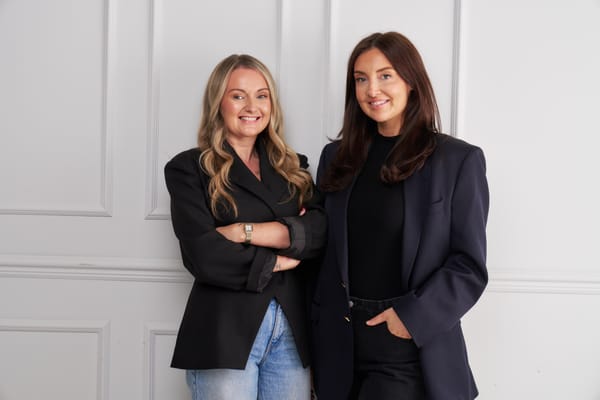
Ilona Alcock moved to Manchester in 2015 knowing exactly one person. When the pandemic hit five years later, she and co-founder Katie Robson were both made redundant—and instead of job hunting, they launched Elevate, a business development consultancy that's since become the world's first Carbon Literate business development organization and secured partnerships with Bruntwood, Electricity NW, and RTC North.
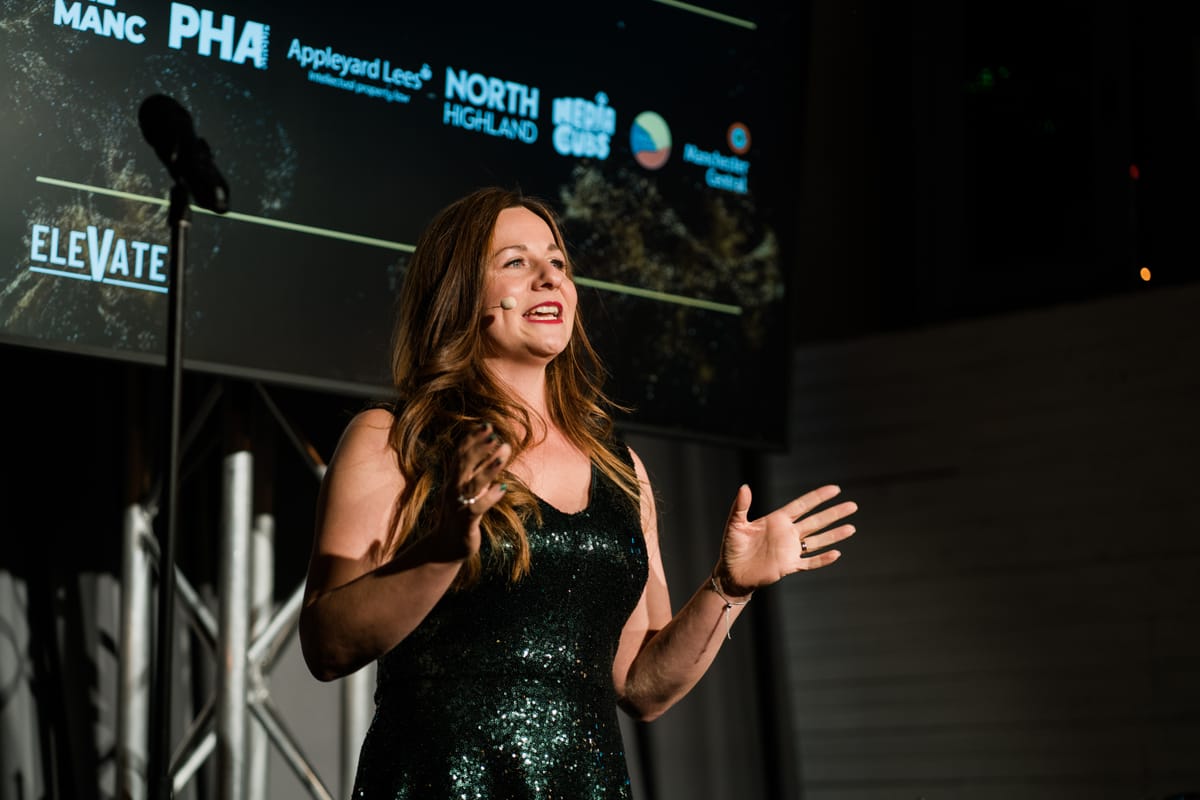
Today, Elevate runs everything from the Northern Sustainability Summit at Manchester Central to intimate dinner clubs, public speaking workshops, and the Northern Gamechangers awards, recognising good business champions. But Ilona's path to confident event hosting wasn't straightforward. She used to feel physically sick at the thought of speaking to even small groups, a fear she systematically dismantled through training, international competitions, and sheer determination.
In this conversation, Ilona breaks down how she and Katie gave themselves a three-month deadline to win business (and why time frames matter when you're deciding whether to hang on or let go), the unglamorous truth about building strategic networks in unfamiliar cities (hint: it's about being "naturally nosey" and asking who else you should know), and why public speaking remains the fastest way to build rapport with target audiences in ways digital marketing simply can't replicate. If you've ever been told to "just network more" without understanding what that actually means in practice, this is the manual you've been missing.
From Redundancy to Co-Founder – Launching Elevate During a Pandemic
You and Katie Robson were both made redundant during the pandemic and launched Elevate in 2020, quickly securing deals with Bruntwood, Electricity NW and RTC North. For female entrepreneurs considering starting businesses during uncertain times or after job loss, what made you confident enough to take the risk rather than seek another employed role? How did you secure your first clients so quickly, and what advice would you give women who are weighing the security of employment versus the opportunity of entrepreneurship during a crisis?
Being made redundant at any time is scary, add in a pandemic and our whole industry being turned upside down, and it's fair to say we were panicking! Luckily we had an incredible, supportive network who immediately came through with potential job opportunities.
When Katie suggested we do something together it lit a spark and I started to feel more excited than scared. We talked to a number of trusted people (expecting at least a few to tell us not to be stupid and to get jobs!) and they all offered support and encouragement. We agreed to give it three months, to the end of 2020, and then look for employment if we hadn't won any business.
As it turned out, the industry being so chaotic worked in our favour. No one knew how to do business development in a pandemic and that gave us a chance to offer something new. Within the first few months, we ran an online peer networks programme, hosted webinars, filmed content for a regional conference, designed virtual training courses and created sector focus groups.
My advice for anyone facing redundancy is:
1. Allow yourself to be sad, angry and scared. It's important to give yourself time and space to process it all.
2. Take stock of where you are. Can you afford to go a few months without a salary? What's the base level you need to pay bills?
3. Talk to your potential customers. Do they want what you have to offer? Is there budget to pay for it?
4. Give yourself a time frame. I see people who give up too fast, and also people who hang on for too long.
Building Strategic Networks from Scratch – Moving to Manchester with One Contact
You moved to Manchester in 2015 knowing just one person and built an "incredible network of supportive people across industries" that now forms the foundation of Elevate's business development work. For female founders who need to build business networks quickly—whether relocating to new cities or entering unfamiliar industries—what's your practical framework for strategic networking? How do you distinguish between transactional networking and relationship-building that actually drives business, and what systems do you use for tracking and managing contacts effectively?
Be really clear about who you're looking to meet. Is it new friends/peers? Potential customers? Suppliers? Mentors? Industry experts?
Then have a strategy for each group. What events do they go to? What are they talking about on social media? Who can introduce you? It's tempting to just go to the things you like the look of but that won't broaden your circle.
Get creative. I took a voluntary role with JCI Manchester (a young professionals network), which introduced to me to loads of incredible people, including my now business partner, Katie. Joining groups, attending training etc helps to find connections with people.
Following up is key. Whenever I met people I liked and respected, I connected on LinkedIn, invited them for coffee and asked who else they thought I should know. I'd also ask a million questions about the city, their roles and trends. It helps that I'm naturally nosey but it's the only way to really understand a new business community or market.
I've never had an official system for managing contacts and leads (beyond LinkedIn), but simple CRMs like HubSpot can work really well. For me, it's about nurturing all those relationships, through regular contact and aiming to be helpful, and being open about what I need. Too many people forget to let their networks know what clients, projects or support they're actually looking for.
Overcoming Public Speaking Fear to Become a Confident Event Host
You used to be a "very nervous public speaker" who felt physically sick at the thought of speaking to even small groups, but you've now hosted conferences, panel discussions, and award ceremonies—and public speaking is now a key part of Elevate's offering. For female entrepreneurs who struggle with visibility or public speaking but know it's essential for business growth, what specific steps did you take to develop your skills and confidence? How do you coach others to overcome this fear, and why is public speaking particularly important for business development in ways that digital marketing can't replace?
No one believes I used to hate public speaking but I was SO scared about it! I attended a lot of training in my early thirties (through JCI) which lead to speaking at events and even international competitions. It is easily the most valuable skill I've developed and has transformed my career.
The first thing I say to people is that it is normal to be scared. It's actually the same instincts that have kept us safe for thousands of years kicking in, trying to get you out of perceived danger.
I always recommend practicing as much as possible and building up confidence in front of smaller groups and friendly audiences. Too often, we avoid public speaking until it's a job interview or big event, where a lot is riding on it.
The visibility gained from public speaking can't be replicated by anything else. It's the fastest way to build rapport with large groups and to become known by your target audience.
There are still far too few women on stage - and even fewer women of colour - so we need to push ourselves out of our comfort zones and into the places we can been seen. We offer free coaching for women and people from underrepresented groups to help to address this imbalance, and constantly promote brilliant female speakers from our network.
Are you a woman leader with an inspiring journey to tell? Founded by Women is on a mission to elevate and amplify the voices of women making an impact.
If you're breaking barriers, driving change, or paving the way for others, we’d love to feature your story. Get in touch with us today!
👉 hi@foundedbywomen.org