From Octopus Investments to "The Human LinkedIn": Michelle Andrew on Building Meeesh Unlimited, The Strategic Attendee Framework, and Breaking Into the Built Environment

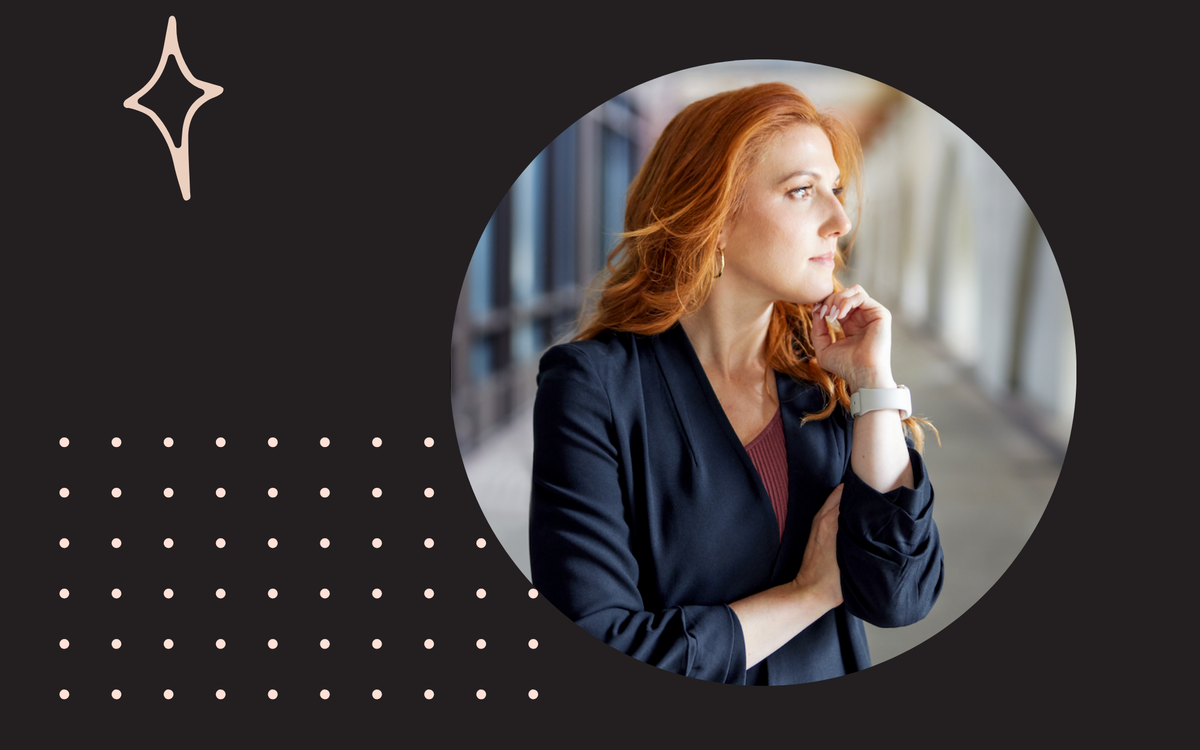
Michelle Andrew has been called "the human LinkedIn" by a VP at Goldman Sachs, and it's not hard to see why. With 16+ years of cross-industry expertise spanning fintech, proptech, and telecoms, she's built a reputation for connecting the dots between tech scale-ups and institutional leaders, particularly at the intersection of technology and the built environment.
As founder and MD of Meeesh Unlimited Ltd (known to many simply as "Meeesh"), Michelle specializes in driving strategic growth for companies navigating change and expansion. She previously led sales and distribution strategy at Octopus Investments, where she was called "one of the most forward thinking" in the sales function, and held senior partnerships roles at Loqbox and Vorboss. She's served as fractional CCO and consultant for companies including Smart Spaces, UpSkill Digital, and WCKD RZR.
But Michelle's path to entrepreneurship wasn't part of a long-term master plan. It was born from frustration and clarity after repeatedly hitting a ceiling in industries where the boys' club still quietly dictates who gets access to power and progression. When a C-suite role at a fintech was completely mis-sold, Michelle made a decision: she could keep taking risks on senior roles that looked great on paper, or she could take control of how and with whom she worked. Meeesh Unlimited was incorporated shortly after.
Michelle is also the creator of The Strategic Attendee, a three-phase framework that transforms conference attendance from "expensive days out of the office" into systematic business development, based on insights from 50+ conferences. In this conversation, Michelle shares why she left corporate positions to build Meeesh, how her Strategic Attendee framework helps founders turn conferences into clients and real ROI, and her approach to building partnerships between tech scale-ups and institutional players in the built environment who move slowly and have complex decision-making processes.
From Octopus Investments to Founding Meeesh Unlimited – Building a B2B Growth Consultancy as "The Human LinkedIn"
You're the founder and MD of Meeesh Unlimited Ltd, a boutique consultancy that helps tech scale-ups navigate change, expansion, and strategic partnerships across property, ed-tech, fintech, and investment sectors. You previously led sales and distribution strategy at Octopus Investments (where you were called "one of the most forward thinking" in the sales function), held partnerships roles at Loqbox and Vorboss, and served as a fractional CCO/consultant for companies like Smart Spaces, UpSkill Digital, and WCKD RZR. A VP at Goldman Sachs called you "the human LinkedIn." For female founders building consultancies or transitioning from corporate roles to entrepreneurship, what made you decide to launch Meeesh rather than staying in senior corporate positions? How did you build credibility as a fractional CCO and strategic consultant when you were just starting out, and what advice would you give women about positioning themselves as business development or partnerships experts in competitive markets?
I wish I could say Meeesh was part of a long-term master plan, but the truth is it was born out of frustration and clarity.
I’d always been ambitious about getting to the top of the ladder. I led sales and distribution strategy at Octopus Investments, worked in senior partnerships roles across fintech and telecoms, and was repeatedly brought in to fix or scale commercial functions. But despite strong results, I kept hitting a ceiling, particularly in property and finance where the boys’ club still quietly dictates who gets access to power and progression.
The turning point came when I was headhunted into what was positioned as a C-suite role at a fintech. Within weeks, it was clear the role had been completely mis-sold. I tried to make it work, but ultimately decided to leave before the end of my probation. That moment crystallised something for me: I could keep taking risks on senior roles that looked great on paper, or I could take control of how, and with whom, I worked.
Meeesh Unlimited was incorporated shortly after.
What gave me confidence was realizing that the work I was most often hired to do (building commercial strategy, establishing market fit, opening new markets, and fixing partnerships) didn’t actually require me to be full-time. In fact, I could often deliver more impact in one or two focused days a week than in a traditional role full of internal noise.
My first clients came directly from my network. I never burn bridges, and I’d previously interviewed with or been approached by companies I turned down due to salary, scope, or growth limitations. I reframed that same expertise as fractional or contract support, and several of those companies became early clients. I also went back to firms like Octopus and offered support to their portfolio companies, which proved incredibly successful.
In terms of credibility, I didn’t try to “become” a consultant overnight - I simply kept doing the work I was already known for, but under my own banner. Results compound quickly when you’re clear about your value.
My advice to women positioning themselves as business development or partnerships experts is this:
- Be specific about the problems you solve - “partnerships” is too vague.
- Leverage your track record unapologetically - especially internal wins that didn’t come with public credit.
- Price for impact, not time.
- And finally, trust that you don’t need permission to operate at a senior level - you already earned it.
The Strategic Attendee Framework – Turning Conferences Into Clients, Connections, and Real ROI
You created The Strategic Attendee™, a three-phase framework that transforms conference attendance from "expensive days out of the office" into systematic business development, based on insights from 50+ conferences. You teach how to target the right connections, use conversation techniques to network better, follow up strategically, and measure ROI from conference investments. For female founders who are exhausted by endless networking events that don't convert to business, what are the biggest mistakes you see people make at conferences? Walk us through your framework for making conferences actually pay off, and how should founders decide which events are worth the investment versus which are just distractions?
The biggest mistake I see people make at conferences is trying to do everything - meet prospects, see clients, build visibility, learn trends, and network broadly - all at once. Individually, those are valid goals. Collectively, they guarantee diluted results.
The Strategic Attendee™ framework is built around one core principle: every conference should have a single, dominant objective. Not three. Not five. One.
If your goal is sales, then everything flows from that. You start by validating whether the conference actually attracts your ideal customer - which often means asking organizers for historic attendee profiles or speaker lists. If your target audience isn’t there, it’s not a strategy problem, it’s an event selection problem.
Once the goal is clear, the framework breaks into three phases:
1. Pre-conference strategy You identify exactly who you want to meet, connect with them on LinkedIn in advance, and plan your agenda around where those people will be - panels, sessions, or private events. You arrive informed, intentional, and warm-connected.
2. In-room executionThis is where most people default to awkward small talk. Instead, I teach conversation techniques that position you as commercially sharp, curious, and memorable without pitching. You’re there to learn, qualify, and open doors, not force outcomes.
3. Strategic follow-upThis is the most neglected part and where ROI is actually created. Clear notes, tailored follow-ups, and a defined next step tied back to your original goal. If you can’t measure outcomes against that goal, the conference didn’t work.
For founders deciding which events are worth it, I always ask:
- Does my ideal customer attend?
- Can I realistically get access to them?
- Is this aligned to my current business priority or just FOMO?
If you answer no to any of those, it’s probably a distraction.
Building Strategic Partnerships and Ecosystems – Connecting Tech Scale-Ups With Institutional Leaders in the Built Environment
You specialize in building strategic partnerships between tech scale-ups and institutional leaders, particularly at the intersection of technology and the built environment (you're "particularly nerdy about smart buildings and data"). You've worked across fintech, proptech, and telecoms, helping clients with go-to-market strategies, commercial frameworks, pricing models, and CRM systems. For female founders building B2B businesses in property tech, sustainability, or infrastructure, how do you approach partnership development with large institutional players who move slowly and have complex decision-making processes? What's your framework for crafting partnerships that create mutual success, and what advice would you give founders trying to break into the built environment sector from the outside?
Partnerships in the built environment require patience, structure, and a very clear understanding of how institutions actually make decisions... (slowly).
My starting point is always adjacency. The most effective partnerships come from adjacent industries that serve the same clients but solve different problems. That’s where alignment exists without defensiveness.
From there, I’m very intentional about structure. Large institutions move slowly because risk is distributed across multiple stakeholders, so partnerships need:
- Clear parameters - what this partnership is and isn’t.
- Defined success metrics - commercial, operational, or strategic.
- Checkpoints - formal moments to review progress and reset expectations.
Over-communication is essential. Silence creates uncertainty, and uncertainty kills momentum in complex organizations.
Most importantly, I focus on complementarity, not extraction. The fastest way to lose institutional trust is to approach partnerships as a channel you can “take” from. The most successful ones clearly articulate how both sides win - commercially, reputationally, or operationally.
For founders breaking into property, sustainability, or infrastructure from the outside, my advice is learn to speak the language in the sector, respect the pace, and find internal champions who are incentivized to move things forward.
Are you a woman leader with an inspiring journey to tell? Founded by Women is on a mission to elevate and amplify the voices of women making an impact.
If you're breaking barriers, driving change, or paving the way for others, we’d love to feature your story. Get in touch with us today!
👉 hi@foundedbywomen.org