From Imperial College London to Award-Winning Consultancy: Leyla Okhai on Building Diverse Minds and Why Mental Health and Race Equality Are Business Imperatives
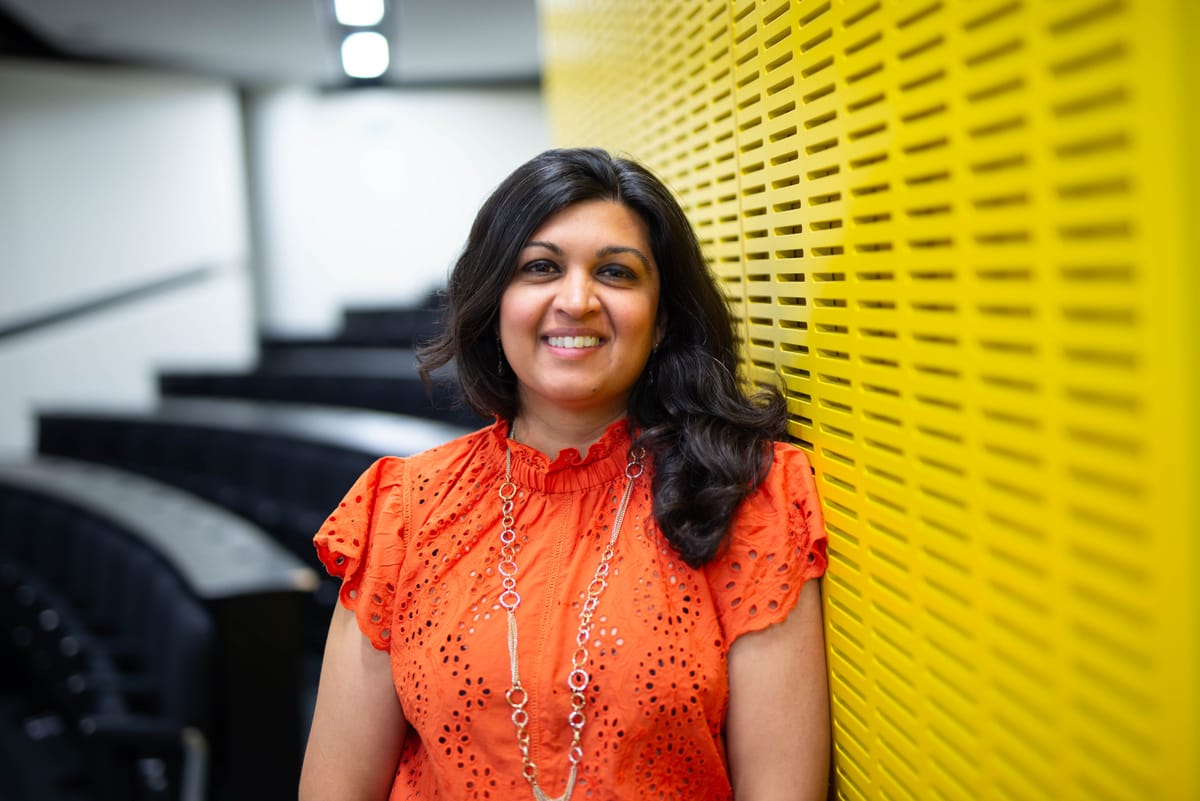
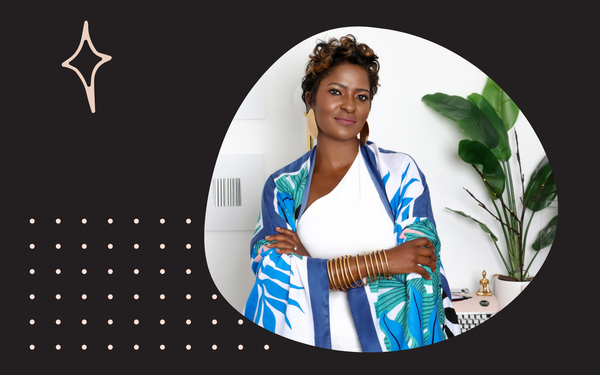
After 14 years in higher education, including serving as Head of the Equality, Diversity and Inclusion Centre at Imperial College London, Leyla Okhai founded Diverse Minds in 2016. What started as external demand from organizations asking her to replicate the cultural transformation work she'd led at Imperial has grown into an award-winning consultancy serving clients like ASOS, FarFetch, Science Museum Group, and University College London.
Leyla's approach is distinctive. She combines mental health training with DEI work, recognizing that the two are deeply interconnected and that organizations can't address one without the other. Her Diverse Minds Podcast has produced 290+ episodes and won the Podcasting for Business Award in the Diversity and Inclusion category. The business itself has won the Woman Who Award (Services Category) and the Asian Business Chamber of Commerce's Outstanding Diversity and Inclusion Business of the Year.
As a South Asian woman who experienced being overlooked at school and in the workplace, Leyla brings both lived experience and strategic expertise to her work. She's a TEDx speaker, trained coach and mediator, and served on the Council of the University of Leeds from November 2018 to July 2024. She is a Board member of Serendipity Institute for Black Arts and Heritage and Pedestrian UK.
In this conversation, Leyla shares how she transitioned from institutional leadership to entrepreneurship, why she built podcasting into her business model, and how she helps organizations understand that mental health and inclusion aren't just ethical imperatives but financially strategic ones.
From Head of EDI at Imperial College London to Founding Diverse Minds – Building Your Own Consultancy
You spent 14 years in higher education, including serving as Head of the Equality, Diversity and Inclusion Centre at Imperial College London, before founding Diverse Minds in 2016. For female entrepreneurs considering leaving stable institutional roles to start their own consultancies, what made you decide to leave academia to build your own business? How did you leverage your institutional experience to secure private sector clients like ASOS, and what advice would you give women about positioning their expertise when transitioning from employee to consultant?
I left my role working in higher education as I had reached the limit of progression within professional services. I loved leading the Equality, Diversity and Inclusion Centre at Imperial College London, but there was simply nowhere further to go. I wanted to keep expanding my skills and the work, plus I had a really long commute and my wellbeing was suffering. Interestingly, I never set out to start a business, due to the work I was doing at Imperial, other institutions kept approaching me to run sessions and asking how I had delivered certain projects. That external demand ultimately showed me there was a viable path outside the College.
My institutional experience has been central to securing private-sector clients. In many ways, it came down to being in the right place at the right time,delivering talks to the right audiences due to the people I knew and building genuine connections. That’s exactly how my relationship with ASOS began. Someone from their HR team heard me speak, we clicked, and we ended up working together for several years.
For women transitioning from employee to consultant, I always say: you are the CEO of your own life. Map out your network and your network’s network. Who is on your personal board? Who can champion you, open doors, and help amplify your expertise? Social media has its place, but nothing replaces face-to-face connection, trust, and recommendations. Those relationships are what generate your first clients and establish your credibility in a new chapter.
Building an Award-Winning Podcast as a Business Development Tool – The Diverse Minds Podcast Journey
You've produced 285+ episodes of the award-winning Diverse Minds Podcast, winning the Podcasting for Business Awards in the Diversity and Inclusion Category. For female founders considering podcasting as a business strategy, what's your framework for creating content that builds authority while also driving business? How do you balance educational content with client development, and what practical advice would you give entrepreneurs about starting a podcast without it becoming a time drain that doesn't generate ROI?
I would say that podcasting requires consistency over celebrity status. You might not see thousands of downloads per episode, but over time it becomes a resource bank for you and your work. For me, podcasting was a natural fit because I enjoy speaking far more than blogging! It allowed me to share ideas in a format that feels easy and I am not one to shy away from speaking my truth. I think it also comes from being a South Asian woman and being overlooked at school and the workplace.
The way I balance education with business development is by planning carefully. I work with a podcast producer, and early on we created a structure and script format so each episode flows well. I do write my content, and over the years I’ve learned how to weave in insights, calls to action, and themes aligned with my consultancy.
For anyone starting out, my biggest advice is: start small and plan intentionally. Before I launched Diverse Minds, I learned to list questions you are always asked by clients and potential customers. These became my first episode topics. You don’t need perfect production. You can create short series, five-minute “one tip” episodes, or seasonal content. There are so many tools now that make podcasting accessible. Most importantly, if you want your podcast to support your business, commit to the long game. Longevity is what builds thought leadership. And remember: done is better than perfect.
Addressing Mental Health and Inclusion Together – Why Both Matter for Business
Diverse Minds uniquely combines mental health training with DEI work, recognizing that mental ill-health costs UK businesses £35 billion annually and that race equality and wellbeing are interconnected. For female founders building purpose-driven businesses, how do you help organizations understand that addressing both mental health and inclusion isn't just ethical but financially strategic? What's your approach to getting leadership buy-in when these topics can be seen as "nice to have" rather than business-critical, and how should entrepreneurs position social impact work as essential to business performance?
Many organisations come to me once they’ve realised that mental health and inclusion are not “nice-to-haves” but essential to performance and retention. While we want this work to be proactive, leadership buy-in is often triggered by incidents, tribunal cases, or negative press. All situations where the financial and reputational costs become impossible to ignore.
My approach is to connect the dots between wellbeing, equity, talent, and organisational outcomes. There is extensive research showing the financial impact of mental ill-health and the cost of inequity, and I help organisations translate that data into their own language: What talent are you losing? Where is performance suffering? What is the cost of inaction? Ultimately, people are the pot of gold under the rainbow, without healthy, included employees, businesses simply cannot thrive.
For entrepreneurs building purpose-driven businesses, the key is to tell the story in a way leaders can truly hear. Data is important, but stories, lived experiences, and visceral connection drive action. Every organisation responds to different triggers, so tailor your message: What matters to their strategy? Their values? Their bottom line? When we help leaders feel, not just see, the case for change, social impact work becomes recognised not as an add-on but as fundamental to business success.
Are you a woman leader with an inspiring journey to tell? Founded by Women is on a mission to elevate and amplify the voices of women making an impact.
If you're breaking barriers, driving change, or paving the way for others, we’d love to feature your story. Get in touch with us today!
👉 hi@foundedbywomen.org