"65% of Startups Fail from Cofounder Conflict, Not Market Fit": Jane Hales on the The Stormline Map™, Why Founders Stay in Toxic Partnerships, and Designing Founding Relationships Before Resentment Takes Root

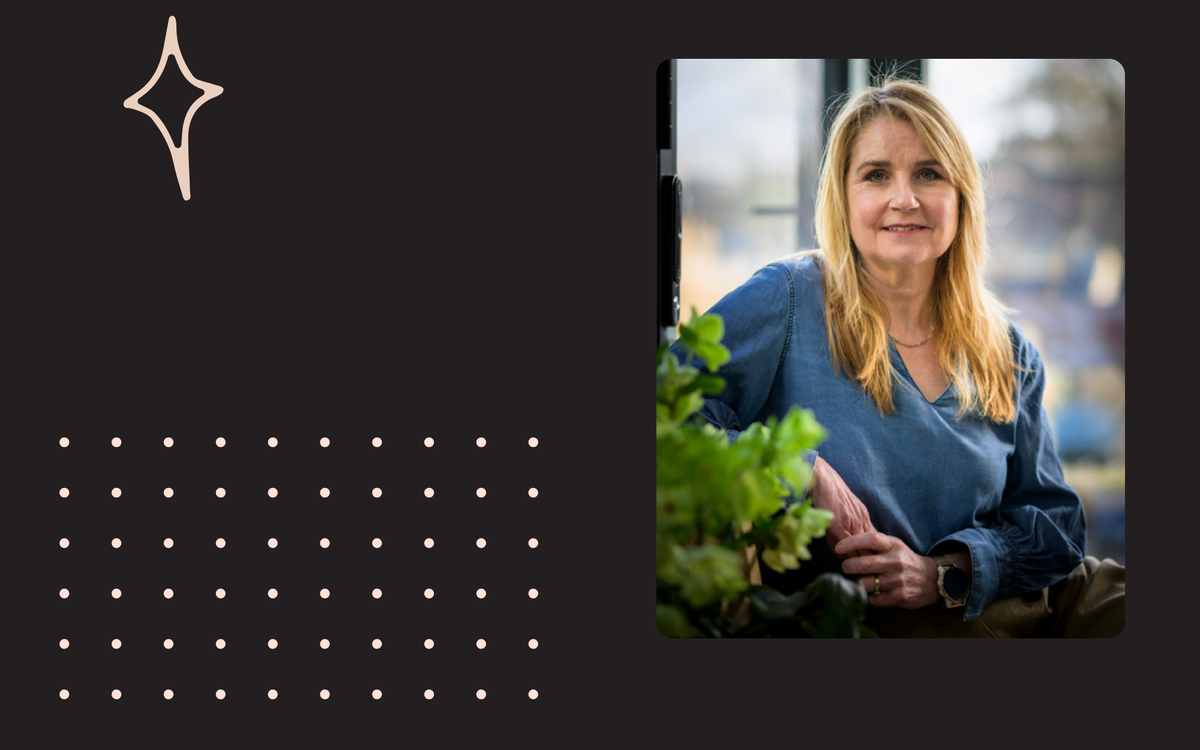
Jane Hales has spent over 30 years building and exiting businesses, serving as a board director, business accelerator coach and mentoring founders. She co-founded Sapio Research, an award winning market research agency inspired by social enterprise principles, and stepped back from day-to-day operations to become an active shareholder and board director. That transition gave her a front-row seat to a pattern she'd seen play out again and again externally: brilliant, capable founders trapped in partnerships that were quietly destroying them.
Not the business. Them.
She watched women who used to stride into boardrooms now shrinking in meetings, editing every sentence to keep the peace. Going home exhausted not from the work, but from constantly managing someone else's emotions while quietly abandoning their own. Staying in unhealthy partnerships because leaving felt like losing themselves. Their status, their story, their sense of purpose.
The statistics back up what Jane saw. According to Harvard Business School professor Noam Wasserman, 65% of high-potential startups fail as a result of conflict among co-founders. Not market conditions. Not product-market fit. Cofounder conflict.
Today, Jane runs Part of the .Team (POTT) and her personal brand, where she's pivoted her focus entirely to relationship design, conflict prevention and resolution, and equity/role structuring for founding teams. She's writing a business fable called From Dream Team to Divorce? built around The Stormline Map™, which helps founders distinguish between normal, productive tension and the kind of escalating, unresolved conflict that quietly corrodes trust.
Her work starts with a simple but powerful question: "If you stripped away the company logo and the job title, who would be left?" When the honest answer is "I'm not sure," that's a signal that identity and partnership have become dangerously fused.
Jane helps founders gently separate those strands so they can make clear-headed decisions. She distinguishes between the asset (what you own), the role (what you do), and the relationship (how you treat each other). That simple separation unlocks options: you might step back from the day-to-day role to protect your health while still protecting your equity and influence as an owner. The end goal is shared alignment.
The goal isn't to push anyone towards staying or leaving. It's to move them from "I'm trapped" to "I have real choices, and I'm allowed to choose myself."
Most founding teams put huge effort into product design and almost none into relationship design. A shareholders' agreement is your legal "prenup" around ownership and voting, but it doesn't tell you how you'll disagree, who has the casting vote on strategy, or what happens when one of you is burning out and too proud to say it.
Jane creates space for founding teams to step out of the operational whirlwind and speak as owners, human to human. They map roles and decision rights, but they also name fears, hopes, and red lines. They design regular "relationship check-ins" so issues don't have to wait for a crisis.
She uses frameworks like the Thomas-Kilmann Conflict Model to give founders neutral language for saying, "Right now I'm avoiding. I need to move towards a more collaborative stance." The Stormline Map™ breaks down the predictable rise of tension into Base, Mid, and Peak levels, helping women spot the tremors before the quake.
The earliest signs of a failing partnership rarely look dramatic. In fact, they often look like "everything's fine." The calendar is full, the Slack channels are busy, the revenue is growing. And yet one founder has a knot in her stomach before every leadership meeting. She starts rehearsing conversations in her head, then decides it's easier not to have them.
Jane has worked with women who could see these early tremors long before anything "blew up." One realized her cofounder had slipped into the "nice CEO" trap: always agreeable in public, but avoiding hard calls and leaving her to quietly carry the consequences. Another had to name the dark side of her own servant-leadership style. She was so busy protecting everyone else that real risks were going unspoken.
At its heart is a simple belief: you can be ambitious, successful, and well-governed without losing yourself in the process.
The Hidden Emotional Toll of Cofounder Conflict - From Identity Crisis to Purpose Void
Q: You've identified that 65% of startups fail due to cofounder conflict, but beyond the business failure, you emphasize the massive emotional toll - founders experiencing an "identity void and a long search for purpose" after partnerships collapse. For female founders who've built their entire identity around their startup and their cofounder relationship, what does this emotional devastation actually look like in practice? How do you help founders recognize when they're staying in a toxic partnership because leaving feels like losing themselves, and what's your framework for separating personal identity from business partnership so founders can make clear-headed decisions about their relationships?
A: When a partnership breaks, it’s not just a business problem – it’s an identity shock. For many women, the company and the cofounder relationship are woven into “who I am”, not just “what I do”. I’ve sat with founders who used to stride into boardrooms and now find themselves shrinking in meetings, editing every sentence to keep the peace. They describe going home exhausted, not from the work, but from constantly managing someone else’s emotions while quietly abandoning their own.
Since standing down from the day‑to‑day and moving from founder to active shareholder, I’ve seen this same pattern play out again and again in my external work. Women stay in unhealthy partnerships because leaving feels like losing themselves – their status, their story, their sense of purpose. The question I often ask is: “If you stripped away the company logo and the job title, who would be left?” When the honest answer is “I’m not sure”, that’s a powerful signal that identity and partnership have become dangerously fused.
My work now is about helping founders gently separate those strands so they can make clear‑headed decisions. We distinguish between the asset (what you own), the role (what you do) and the relationship (how you treat each other). That simple separation can unlock options: you might choose to step back from the day‑to‑day role to protect your health, while still protecting your equity and influence as an owner. The goal isn’t to push anyone towards staying or leaving, but to help them move from “I’m trapped” to “I have real choices – and I’m allowed to choose myself.” - Things change. People change. That’s ok, but has our understanding of one another kept pace? Without shared alignment, a tremendous amount of energy can be needlessly wasted.
Spotting the Tremors Before the Quake - The Aggression Escalation Model in Practice
Q: Your upcoming business fable is built around , The Stormline Map™ which breaks down the predictable rise of tension into Base, Mid, and Peak levels. For female founders who might dismiss early warning signs as "normal startup stress" or feel pressured to "keep the peace" rather than address conflict, what are the specific behavioral patterns at each level that signal a partnership is deteriorating? How do frameworks like the Thomas-Kilmann Conflict Model and Partner Hype Cycle help founders intervene early, and what's the difference between productive tension that drives growth versus destructive conflict that leads to collapse?
A: The earliest signs of a failing partnership rarely look dramatic. In fact, they often look like “everything’s fine”. The calendar is full, the Slack channels are busy, the revenue is growing – and yet one founder has a knot in her stomach before every leadership meeting. She starts rehearsing conversations in her head, then deciding it’s easier not to have them. She stops challenging decisions and assumes the responses she’ll receive. She disagrees with and tells herself, “It’s just a rough patch, we need to get through this quarter.”
I’ve worked with women who could see these early tremors long before anything “blew up”. One realised her cofounder had slipped into the “nice CEO” trap – always agreeable in public, but avoiding hard calls and leaving her to quietly carry the consequences. Together, we worked on how she could support her cofounder to lead with soul and still hold the line on performance. Another founder had to name the dark side of her own servant‑leadership style: she was so busy protecting everyone else that real risks were going unspoken. Once she saw that, she could course‑correct before the relationship or the business fractured.
Frameworks help make this less personal and more practical. Tools like the Thomas‑Kilmann Conflict Model give founders a neutral language for saying, “Right now I’m avoiding; I need to move towards a more collaborative stance.” My forthcoming business fable introduces The Stormline Map™, which helps women distinguish between normal, productive tension – the kind that comes with ambition and high standards – and the kind of escalating, unresolved conflict that quietly corrodes trust. The earlier you can name which pattern you’re in, the more options you have to repair it.
Conflict Prevention Through Relationship Design - Structuring Founding Teams from Day One
Q: You're pivoting Part of the .Team to focus on relationship design, conflict prevention/resolution, and equity/role structuring for founding teams. For female entrepreneurs forming new partnerships or early-stage teams, what does "relationship design" actually mean in practice, and how is it different from simply drafting a shareholders' agreement? What are the critical conversations about roles, equity, decision-making authority, and exit scenarios that founding teams need to have upfront but typically avoid, and how do you facilitate these discussions before resentment builds?
A: Yes, I found that using ProfOps™ to improve Founders' efficiency and profit often overlooked the bigger, silent struggle in the room - misalignment. Most founding teams put huge effort into product design and almost none into relationship design. A shareholders’ (or stockholders’) agreement is your legal “prenup” around ownership and voting – it deals with the equity and control piece. It will tell you who owns what and how votes are counted, but it doesn’t tell you how you’ll disagree, who has the casting vote on strategy, or what happens when one of you is burning out and too proud to say it. That’s the work I’m now focused on: helping women leaders build partnerships that are consciously designed, not accidentally inherited.
In practice, that means having the conversations most teams avoid until it’s too late. Are we building primarily for income now, or for equity and a future exit? Who ultimately sets the destination, and who is responsible for navigating the day‑to‑day route? What are each of our non‑negotiables in how we want to be led and how we will lead others? When I transitioned from operator to board director, I saw how often conflict at the top was simply the result of those questions never being answered out loud.
With founding teams, I create space for them to step out of the operational whirlwind and speak as owners, human to human. We map roles and decision rights, but we also name fears, hopes and red lines. We design regular “relationship check‑ins” so issues don’t have to wait for a crisis. My forthcoming book, From Dream Team to Divorce?, is built around these moments – showing founders how to spot trouble earlier, reset before resentment takes root, and, where necessary, unwind with dignity. At its heart is a simple belief: you can be ambitious, successful and well‑governed without losing yourself in the process.
Are you a woman leader with an inspiring journey to tell? Founded by Women is on a mission to elevate and amplify the voices of women making an impact.
If you’re breaking barriers, driving change, or paving the way for others, we’d love to feature your story. Get in touch with us today!
👉 hi@foundedbywomen.org