From 14 Books to The Grounded Leader: Sweta Vikram on Building NimmiLife, Coaching Leaders Through Grief, and Why Ayurveda Isn't About Perfection

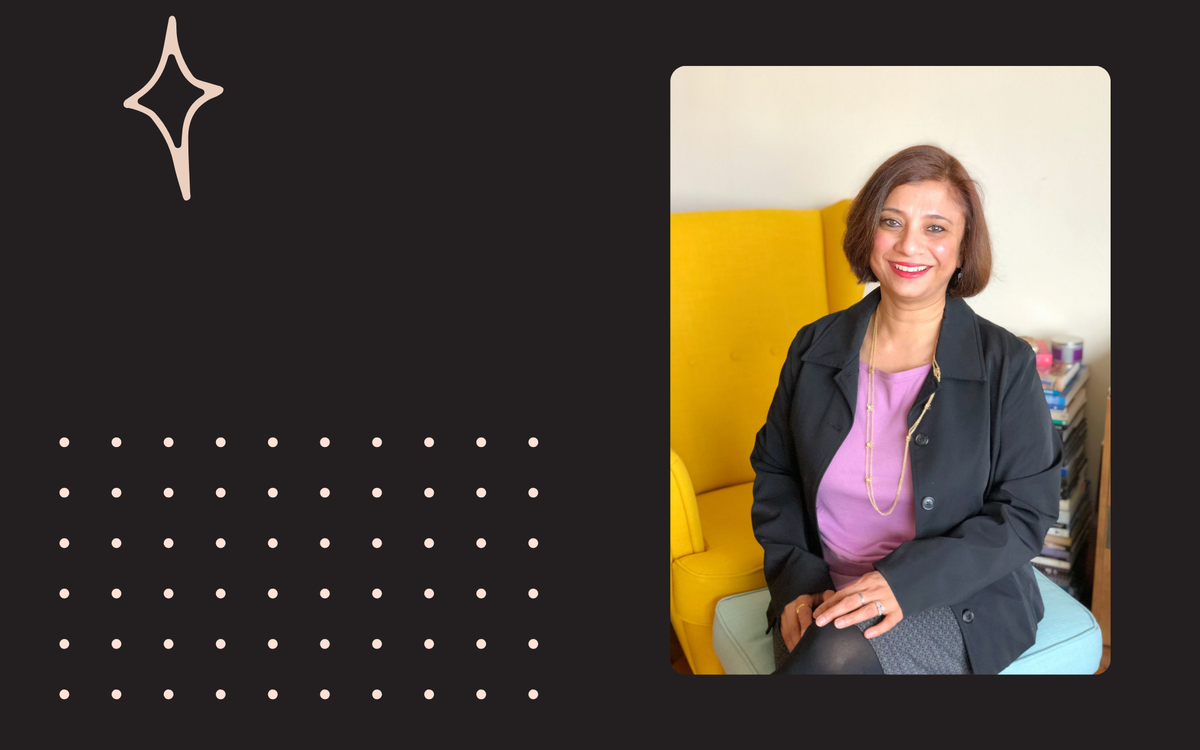
Sweta Vikram doesn't just teach wellness. She lives it, writes it, and builds businesses around it. As an award-winning author of 14 books, Ayurvedic doctor, trauma-informed yoga teacher, certified grief coach, and adjunct professor, she's spent decades translating ancient wisdom into practical frameworks for modern life. Her latest venture, NimmiLife, and her podcast The Grounded Leader focus on what most productivity systems ignore: that sustainable success requires managing energy, not just output.
Her forthcoming book, Rhythms of Resilience: An Ayurvedic Guide to Reduce Stress and Maximize Productivity, makes a bold claim in a world saturated with wellness hacks and optimization trends. It promises that Ayurveda can reduce stress and boost productivity not by adding more techniques to your routine, but by teaching you to work with your body's natural rhythms instead of against them. For Sweta, this isn't theory. It's how she juggles writing, teaching, speaking, coaching, entrepreneurship, and family life without glorifying burnout.
What sets her work apart is her refusal to romanticize wellness. She doesn't live in a "perfectly serene, incense-filled life," and she doesn't believe Ayurveda asks anyone to. Instead, she teaches rhythm over rigidity, consistency over intensity, and self-trust over self-discipline. Her approach is rooted in something most productivity systems overlook: that when your physiology is dysregulated, no amount of meditation apps or bullet journaling will fix the underlying exhaustion.
Her grief coaching work addresses another gap in professional wellness conversations. She works with high-functioning grievers, particularly women who organize funerals, manage households, and meet deadlines while carrying loss quietly. She's learned that women are often praised for being composed and productive through trauma, rarely given permission to be slow, messy, or uncertain. Her work helps women unlearn the belief that pushing through is the same as healing.
In this conversation, Sweta shares what her own daily routine actually looks like as someone balancing multiple disciplines, the patterns she's noticed in how women process grief and trauma in professional settings, and why Ayurveda's focus on managing energy rather than output makes it fundamentally different from every other productivity system out there.
Q: You've written 14 books and built a career spanning multiple disciplines, yet you emphasize wellness and balance in your work. What does your own daily routine look like? I'm curious about how you personally apply Ayurvedic principles—not just what you teach, but what actually works in your real life as someone juggling so many responsibilities.
That’s a fair question—and an important one. I don’t live a perfectly serene, incense-filled life, and I don’t believe Ayurveda asks us to. What it asks for is rhythm, not rigidity.
My daily routine is simple, flexible, and realistic for someone balancing writing, teaching, speaking, coaching, entrepreneurship, and family life. I have realized that making plans is important as it adds structure to the day but having the flexibility to move things around also helps us become less rigid.
I wake up early—not to be “productive,” but to claim quiet. That first hour is mine. I drink warm water, meditate, do breathwork depending, and spend a few minutes grounding myself before the world makes demands. Some days that looks like meditation or responding to DM’s while sipping on coffee; other days it’s simply sitting in silence with my husband. The key Ayurvedic principle here is listening—to energy, digestion, mood, and mental clarity.
Food is non-negotiable medicine for me. I try to cook everyday honoring the Ayurvedic principles (you can apply it to any cuisine). Cooking is centering for me, so that helps. I eat warm, grounding meals and avoid skipping meals, even on busy days. I’ve learned the hard way that productivity collapses when digestion is ignored. I don’t eat perfectly, but I eat intentionally.
Work-wise, I structure my day in energy blocks, not endless to-do lists. Writing and creative work happen when my mind is sharp. Meetings and administrative tasks happen later. Ayurveda taught me to stop forcing my body into unnatural productivity rhythms—and that shift alone reduced burnout more than any productivity hack ever did. I don’t work late evenings.
Throughout the day, I build in micro-pauses: a few deep breaths between calls, a short walk, stepping away from screens, a short call with a friend or cousin or even a cup of coffee. These aren’t luxuries—they’re nervous system regulation. I no longer glorify powering through.
Evenings are about downshifting. On those evenings when I do an event, things are different. But I protect sleep fiercely because nothing replaces it. Screens go off early when possible, dinners are lighter, and I choose calm over stimulation. Again—not perfectly, but consciously.
What actually works in my real life is this: consistency over intensity, self-trust over self-discipline, and compassion over perfection. Ayurveda, for me, isn’t a checklist—it’s a relationship with my body. And that relationship is what allows me to show up fully across many roles without losing myself in the process.
Q: Your grief coaching work really stands out to me. Grief isn't something we talk about enough, especially in professional settings. What have you learned about how women specifically process loss and trauma? Are there patterns you've noticed in how we tend to push through rather than process?
Thank you for naming that—because silence around grief is one of the most exhausting burdens women carry. Not prioritizing themselves is so deeply ingrained in so many women.
I was talking to a friend just yesterday about how women focus on nourishing and nurturing others even during times of grief—did people eat and sleep and rest? Did the kids complete their homework? Were the extended family members notified? Was everything on the priest’s checklist taken care of ? Etc. Etc.
What I’ve learned, both professionally and personally, is that many women are high-functioning grievers. We don’t fall apart—we organize. We manage households, teams, deadlines, and emotions while carrying loss quietly. From the outside, we look “strong.” On the inside, we’re often numb, depleted, or chronically overwhelmed. I know I put my own grief on pause to help others and this is when I work in the grief space.
There are a few patterns I see again and again.
First, women are conditioned to focus on others even when working through own grief. We worry about how our pain affects others, so we minimize it. We return to work quickly. We keep things moving. We become efficient instead of embodied. Grief gets postponed—sometimes for years.
Second, we tend to intellectualize trauma. We can explain it, analyze it, even teach from it—while never actually letting it move through the body. In Ayurveda, unresolved grief shows up as stagnation: disrupted digestion, sleep issues, anxiety, fatigue, autoimmune flare-ups. The body keeps the score long after the mind has “moved on.”
Third, there’s immense pressure—especially for professional women—to exhibit resilience. We’re praised for being composed, productive, and positive. Rarely are we given permission to be slow, messy, or uncertain. So, grief gets redirected into overwork, hyper-independence, or burnout rather than processed with tenderness.
What healing requires is not more strength—but safety. Safety to pause. Safety to feel without fixing. Safety to say, “I’m not okay, and I don’t need to be inspirational about it.” Safety to not be a role model.
Processing grief doesn’t mean collapsing your life. It means allowing grief to be witnessed—in the body, in community, and over time. When women are given that permission, something powerful happens: their nervous systems soften, their intuition returns, and they stop confusing survival with success.
My work is about helping women unlearn the belief that pushing through is the same as healing—and reclaiming a more honest, sustainable way to live and lead after loss.
Q: Your upcoming book promises to help people reduce stress and boost productivity through Ayurveda. That's a bold claim in a world full of productivity hacks and wellness trends. What makes the Ayurvedic approach different from everything else out there? Why should someone who's tried meditation apps and bullet journaling pay attention to this ancient system?
Tentatively titled, Rhythms of Resilience: An Ayurvedic Guide to Reduce Stress and Maximize Productivity, my 15thbook makes a bold claim—and it’s one I make very intentionally.
Most productivity tools today focus on managing output. Ayurveda focuses on managing energy. That’s the fundamental difference.
Meditation apps, planners, and hacks assume that the same strategy should work for everyone if they just try harder or stay consistent. Ayurveda starts with a different question: Who are you, how is your system wired, and what state is your body and nervous system in right now?
Ayurveda isn’t a trend or a technique; it’s an operating system for the human body. It recognizes that stress, focus, digestion, sleep, creativity, and decision-making are all connected. You can’t optimize one while ignoring the others. That’s why so many people meditate in the morning and still crash by mid-afternoon—or meticulously plan their day while feeling chronically exhausted.
Productivity doesn’t break down because people lack tools—it breaks down because their physiology is dysregulated. Ayurveda uses a customized approach.
What makes this approach different is that it’s contextual and compassionate. Ayurveda doesn’t ask you to push through low energy—it teaches you how to work with it. It helps you understand when to rest, when to create, when to simplify, and when to stretch—based on cycles of time, season, and your own constitution.
For someone who’s tried meditation apps and bullet journaling, Ayurveda doesn’t replace those tools—it explains why they sometimes work and why they sometimes don’t. For example, Ayurveda explains why walking meditation works for one person and sitting quietly in a corner works for another. It shows you when meditation should be grounding versus energizing, when structure supports you versus overwhelms you, and how small daily shifts—sleep timing, meal rhythm, nervous system cues—can unlock clarity and productivity without burnout.
The promise of Ayurveda isn’t superhuman output. It’s sustainable success—the kind that doesn’t cost you your health, creativity, or joy. And in a culture addicted to optimization, that might be the most radical productivity strategy of all.
Are you a woman leader with an inspiring journey to tell? Founded by Women is on a mission to elevate and amplify the voices of women making an impact.
If you're breaking barriers, driving change, or paving the way for others, we’d love to feature your story. Get in touch with us today!
👉 hi@foundedbywomen.org