The 28-Year Journey to Simply Mindful: Fran Benedict on Building Wellness Programs Through Reconnection Rather Than Rules, Part of the Dreamforce Plum Village Center Production Team, and Why "Your Body Already Knows"
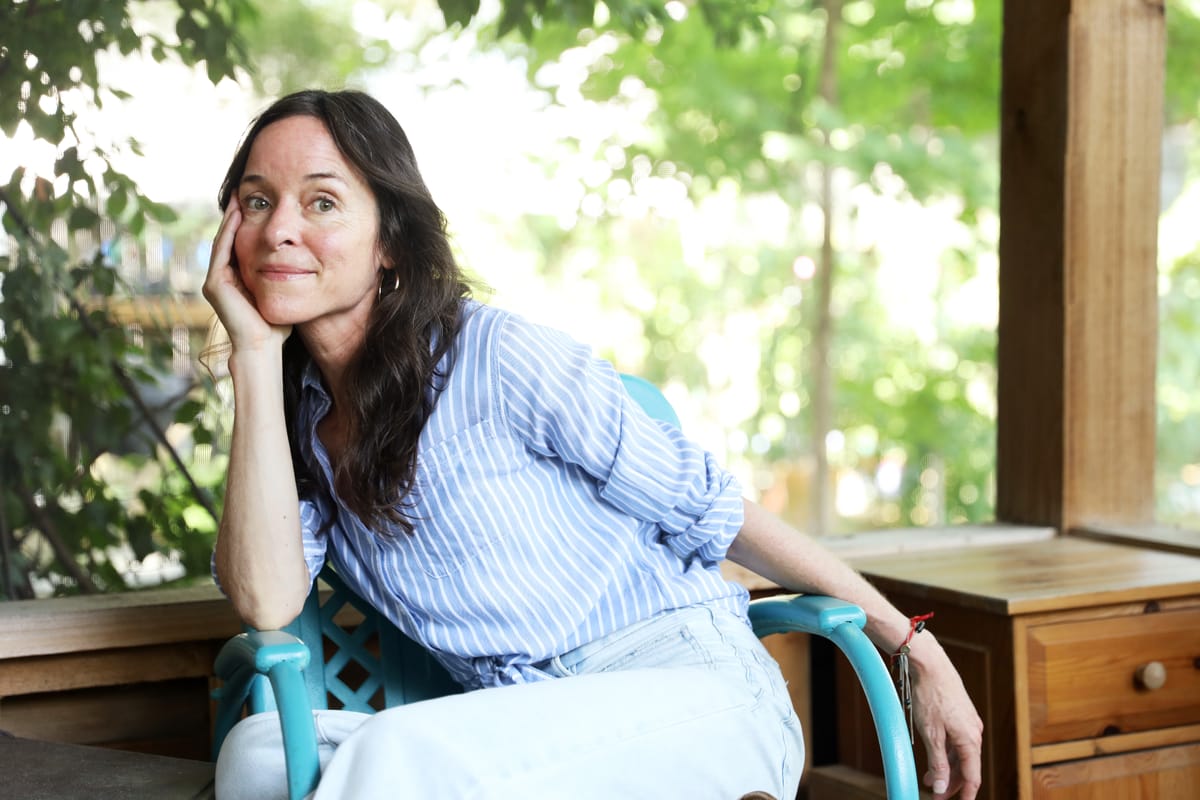
Fran Benedict's path to founding Simply Mindful took 28 years of exploration, and she's sharing it because "the polished success stories don't help. The real journey does." After graduating from the University of Georgia in 1998 with a focus on corporate wellness, Fran launched Simply Mindful in 2012 as "Mindful Meals Gourmet," preparing and delivering meals. She loved it, but felt isolated. That feeling of "this isn't it" was information she needed to listen to, even when it meant starting over. What followed was years of experimentation. Some things fed her soul, others didn't. Fran learned the most from what didn't work. After significant life changes, she felt a visceral need to nourish the roots of her own life and realized that learning to feel "rooted" despite chaos was the only way to achieve true well-being.
As founder of Simply Mindful, Fran is a Certified Health and Integrative Nutrition Counselor with nearly 20 years exploring wellbeing across body, mind, heart, and spirit. She's worked with Pinterest, Stanford University, Feeding America, and global gatherings like Wisdom 2.0 and Dreamforce, where she was part of the production team creating the Plum Village Center and served as direct liaison between 26 monastics and the Salesforce team, delivering 51 mindfulness sessions over 4 days. She's managed volunteer programs for conferences bringing together 3,000 people, led gut-brain connection workshops at Pinterest and Stanford, and piloted a corporate program that achieved 40% voluntary participation with measurable health improvements.
Fran's work is built on a radical premise: "Your body knows when it's truly hungry. Your heart recognizes nourishing relationships. Your gut speaks about what feels right. Modern life fragments this knowing, but it never disappears." Her role isn't to fix what's wrong with people because nothing's fundamentally broken. Instead, she creates safe spaces where people reconnect with what's already right within them. She introduces frameworks that point inward rather than imposing external rules, starting with practices so simple they're almost too simple: Week 1, notice thirst before drinking. That's it. This rebuilds trust and partnership with the body instead of management of it.
In this interview, Fran shares her 28-year journey from Health Promotion and Behavior graduate (corporate wellness track) to founder, her framework for bridging ancient contemplative wisdom with modern workplace needs, the biggest mistakes organizations make implementing wellness programs, and her approach to creating programs that honor what people already know rather than teaching them what they should do. For women building businesses focused on helping others reconnect with themselves (whether through nutrition, mindfulness, coaching, or other modalities), Fran's journey offers both practical insights and honest reflection on why the long game matters and why your timeline doesn't have to match anyone else's.
From Life Changes to Building Simply Mindful - When You Realized "Learning How to Be True to Myself" Was the Only Path to True Well-Being
Q: You're a Certified Health and Integrative Nutrition Counselor with nearly 20 years exploring wellbeing across body, mind, heart, and spirit. After significant life changes, you felt a visceral need to nourish the roots of your own life and realized that learning to feel "rooted" despite chaos was the only way to achieve true well-being. That realization led you to pursue a functional understanding of the mind-body connection and eventually founded Simply Mindful. Walk us through the decision to build Simply Mindful after those life changes. What did you discover about yourself during that period that convinced you this needed to be your work, and what advice would you give women about turning personal transformation into businesses that help others?
A: What I'm about to share is a winding, 28-year journey that's still unfolding. I'm sharing it because the polished success stories don't help. The real journey does.
I graduated from UGA in 1998 focused on corporate wellness, but I had no idea what that would actually look like. It took nearly 30 years to come full circle.
In 2012, I launched Simply Mindful as "Mindful Meals Gourmet" - preparing and delivering meals. I loved it, but I was isolated. That feeling of "this isn't it" was information I needed to listen to, even when it meant starting over.
I kept experimenting. Some things fed my soul, others didn't. I learned the most from what didn't work.
Two years in, I wrote: "CONNECTION is key for me. This version of wellbeing - connection to self, others, planet - becomes a true anchor when life gets chaotic."
What convinced me this needed to be my work? I felt something missing - a visceral need to nourish the roots of my own life when everything felt chaotic. What I discovered through that process was reconnection - to who I was, what I wanted, what felt true to me. That became the foundation of my work - my role isn't to fix what's wrong with people - because nothing's fundamentally broken. We're all imperfect humans who've learned to override our own wisdom. Our hearts recognize nourishing relationships. Modern life fragments this knowing, but it never disappears.
Whether creating wellness programs, managing mindfulness programming, or now running corporate programs - the "how" kept evolving, but the "why" stayed consistent: helping people reconnect.
What I've learned that might help:
The long game matters. It's been 14 years since I launched Simply Mindful. I'm doing the work I originally trained for - enriched by 28 years of exploration. Your timeline doesn't have to match anyone else's.
When something feels misaligned, that's information worth listening to. Even when it means starting over.
Your values will guide you when the business model changes. Connection has been my North Star. When you know your core values, you can experiment without losing yourself.
Bringing Mindfulness to Fortune 500 Companies - Part of the Dreamforce Plum Village Center Production Team Supporting Delivery of 51 Mindfulness Sessions Over 4 Days
Q: You've worked with Pinterest, Stanford University, Feeding America, and global gatherings like Wisdom 2.0 and Dreamforce, where you helped create the Plum Village Center and delivered 51 mindfulness sessions over 4 days alongside 26 monastics. You've also managed volunteer programs for conferences bringing together 3,000 people exploring mindfulness in the technology age. For female founders building wellness businesses or trying to bring mindfulness and contemplative practices into corporate environments, what's your framework for bridging ancient wisdom with modern workplace needs? What are the biggest mistakes you see organizations make when trying to implement wellness programs, and how can founders position their work to be taken seriously in fast-paced corporate settings?
A: In my work with corporations, I piloted a program that achieved 40% voluntary participation and measurable health improvements. I'm currently running this refined program with a Bay Area law firm.
This work requires bridging science, contemplative wisdom, and real organizational systems. My background spans health promotion, integrative nutrition, mindfulness study at UCLA, and years of practice. At Dreamforce, I was part of the production team for the Plum Village Center, serving as direct liaison between 26 monastics and the Salesforce team for programming over four days. I've managed volunteer programs at Wisdom 2.0 for conferences bringing together 3,000 people, and led gut-brain connection workshops at Pinterest and Stanford.
My Framework: Multiple Entry Points
Here's what corporations need to understand: chronic stress keeps employees constantly activated - always "on," always scanning. Add to that the world's chaos - our bodies are taking all of this in, plus whatever people carry from home. Some override body signals. Others become hypervigilant. Most don't notice until it's stored as chronic tension or sickness. This isn't new information - the question is what we do about it.
I introduce different entry points depending on what the group needs. For some, research-based definitions work. For others, guided meditation.
Here's an example. In Week 1, we practice hydration. Sounds simple? But we're teaching nervous system regulation. Participants pause and notice: am I actually thirsty or going through the motions?
This rebuilds their capacity to hear body signals. When you can hear "I need water," you're building capacity to hear more complex signals: "I need rest," "This meeting is draining me."
Common Mistakes Organizations Make
Treating wellness as a checkbox rather than building actual skills. Imposing one-size-fits-all practices. Launching programs without the structure to sustain them. You need both contemplative depth AND operational systems that create real engagement.
How to Position Your Work
You can't have sustainable performance without people who feel valued. Supporting people and supporting the organization aren't separate things.
But our systems have it backwards. They're designed to extract value from people rather than support them as whole humans. Wellbeing programs get cut first when budgets tighten. That thinking makes wellbeing extra, when it's foundational. You can't build anything sustainable on disconnected and struggling people.
Talk to corporate leaders in business terms they understand - ROI, research, outcomes. But remember: trust is built by being present.
Stay connected to what genuinely interests you. My opportunities came through authentic relationships - sharing excitement, connections emerging naturally.
Pursue opportunities that stretch you. Each taught me something unexpected about organizing, scale, holding space. And what not to do.
"Your Body Knows When It's Truly Hungry" - Teaching Reconnection with Inner Wisdom Rather Than Following External Rules
Q: You've said "Your body knows when it's truly hungry. Your heart recognizes nourishing relationships. Your gut speaks about what feels right. Modern life fragments this knowing, but it never disappears." Through Simply Mindful, your role isn't to fix what's wrong but to create safe spaces where people reconnect with what's already right within them. For women building businesses focused on helping others reconnect with themselves (whether through nutrition, mindfulness, coaching, or other modalities), what's your advice about creating programs that honor what people already know rather than imposing external rules? How do you help clients move from seeking answers outside themselves to trusting their own inner wisdom?
A: We're constantly told: Drink 8 glasses of water. Eat every 3 hours. Get 10,000 steps. These train us to look outside ourselves for answers rather than tuning into what our bodies are telling us.
My work provides frameworks that point inward.
How I help people trust inner wisdom:
I begin by understanding where people are. What language do they use? This tells me what entry point will resonate.
Then I create practices that are almost too simple. Week 1: notice thirst before drinking. That's it. Pause, notice, am I actually thirsty?
This rebuilds trust. You're practicing partnership with your body instead of management of it. When you can hear simple signals, you're building capacity to hear complex ones: "I'm full," "I need to move," "This relationship doesn't feel nourishing."
Creating programs that honor what people already know:
I don't come in as the expert. I help people remember what they already know but have learned to ignore. We've been taught to override our signals in the name of productivity.
I introduce multiple entry points. What matters is creating space to pause and reconnect. Permission to slow down.
I never mandate practices. I invite exploration. When people feel safe, they open. My job is to create the container where reconnection becomes possible.
What I've learned:
The wellness industry loves rules. That might help temporarily, but it's not the long game. My job is to hold steady in the invitation to listen inward.
Start with the simplest possible practice. If someone can't notice their body's signals, jumping to advanced meditation won't help.
I learn from my clients. When someone uses "hypervigilant," that teaches me about their nervous system. When someone shares they're migraine-free after journaling, that shows me what's possible.
This work requires me to practice what I teach. I'm constantly overriding my own signals too (I'm human). The practice isn't something I finished - it's something I'm doing right now, today.
In a world of constant chaos, creating space where reconnection becomes possible - this is radical work.
Are you a woman leader with an inspiring journey to tell? Founded by Women is on a mission to elevate and amplify the voices of women making an impact.
If you're breaking barriers, driving change, or paving the way for others, we’d love to feature your story. Get in touch with us today!
👉 hi@foundedbywomen.org