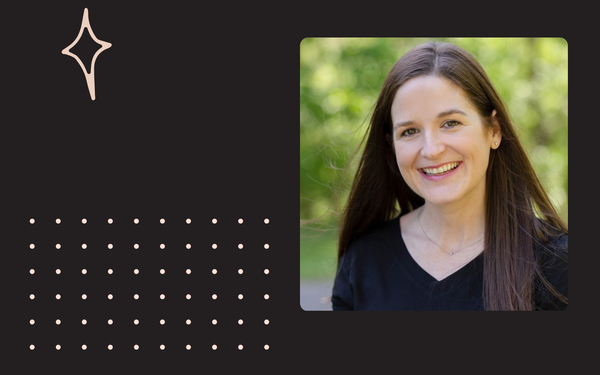
From "Something Was Missing" to Building the UK's Fastest-Growing Health Benefit: Steph Hind on Leaving Corporate Life, Co-Founding Heka with 3,000+ Wellbeing Experiences, and Proving That Employee Health Isn't a Checkbox Exercise
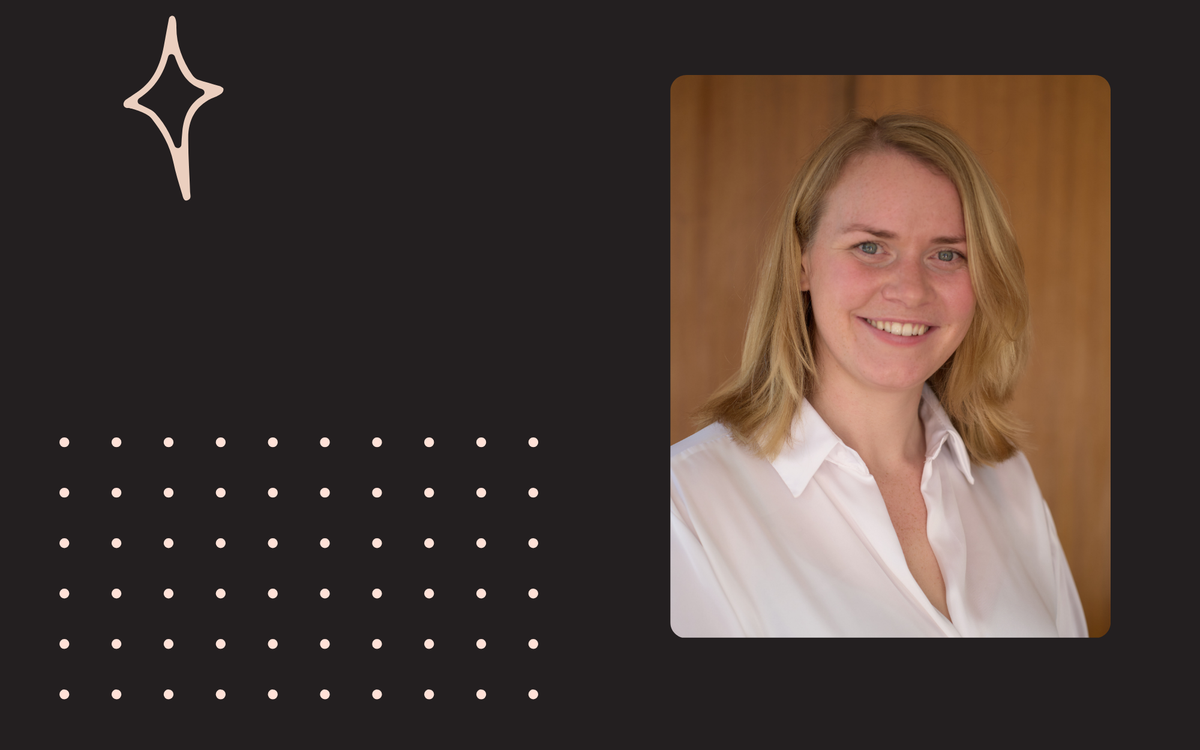
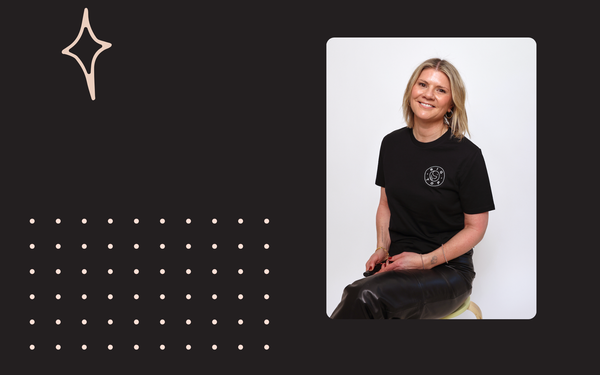
Steph Hind spent years in corporate environments with good pay and prestigious titles, but she couldn't shake the feeling that something fundamental was missing. As Co-Founder and Consultant Director of Heka (formerly GoSweat), she turned that disillusionment into the UK's fastest-growing health-led employee benefits platform, now serving companies with over 3,000 carefully curated wellbeing experiences spanning mental health, physical fitness, lifestyle support, and on-demand services. Founded in 2016 alongside her co-founder and husband Alex Hind, Heka was born from Steph's realization that the generic benefits packages employers offered weren't addressing the real human need for wellbeing, they were just ticking boxes.
With a degree in Human Geography from Newcastle University and a lifelong fascination with what makes people happy (and why they don't prioritize it), Steph initially built GoSweat around physical wellness experiences at gyms, studios, and spas. When the pandemic forced a complete business model pivot, Steph and Alex rebranded to Heka, raised £1 million in pre-seed funding led by Playfair Capital (exceeding their £750,000 target in just two months), and expanded from purely physical locations to a holistic platform covering mental health, virtual experiences, and lifestyle products. They got engaged during lockdown, sold their office, went fully remote, and grew the team from 8 to 18 people while managing every booking and schedule manually in the early days.
Today, Heka reports a 94% engagement rate, with 99% of customers reporting positive impact on team health and wellbeing, and holds a Net Promoter Score of 67. The platform has grown to include partnerships with providers like Barry's Bootcamp and HelloFresh, offering everything from therapy and breathwork to fertility benefits and neurodiversity support. Steph has also navigated the complexities of building a company with her partner while becoming a mother to two children, learning firsthand about the challenges of balancing founder life with postpartum anxiety and the importance of building a team she trusts.
In this interview, Steph shares critical insights for women considering the leap from corporate life to entrepreneurship, the strategies that helped Heka grow rapidly in a challenging business environment, and the framework she uses to decide which benefits to include on a mission-driven platform while building a financially sustainable business. For women building purpose-led companies in wellness, HR tech, or employee benefits, Steph's journey offers both practical lessons and honest reflection on what it takes to turn dissatisfaction into impact, and why feeling like "something is missing" might be the most important signal you can pay attention to.
From Corporate Life to Co-Founding GoSweat/Heka - When "Something Was Missing" Led to Building the UK's Fastest-Growing Health-Led Employee Benefit
Q: You're the Co-Founder and Consultant Director of Heka (previously GoSweat), which you founded alongside your co-founder and husband, Alex Hind. Before founding Heka, you worked in corporate environments and realized that "regardless of the good pay and prestigious life," something was missing. You studied Human Geography at university, driven by a lifelong interest in understanding what makes people happy and why people don't spend more time doing things that make them happy. You've always loved trying new experiences (ice climbing, gong baths, spas) and never imagined you'd become an entrepreneur. The idea for GoSweat came from experiencing generic corporate benefits that the vast majority of people didn't use. Walk us through the journey from that corporate realization to launching GoSweat. What was the turning point that made you decide to build a solution rather than just accept the status quo? What were the biggest challenges in those early days when you were managing every booking and schedule manually? What advice would you give women in corporate roles who feel like "something is missing" and are considering entrepreneurship?
A: For me, the journey really started with a quiet but persistent feeling that something just wasn’t adding up.
On paper, corporate life looked great. Good salary, impressive job title, all the things you’re told you should want. But day to day, I felt quite disconnected. I wasn’t unhappy exactly, just underwhelmed. I’d always been fascinated by what makes people happy, which is why I studied Human Geography. I was interested in how people live, how they feel, and why there’s often such a big gap between what we know is good for us and how we actually behave.
In corporate roles, that gap was everywhere. I’d sit in offices with generous benefits packages (gym discounts, wellness portals, perks) and hardly anyone used them. The intention was good, but the reality was box-ticking. Benefits felt generic, impersonal, and completely disconnected from real human motivation. People were stressed, burnt out, and disengaged, yet surrounded by “benefits” that didn’t change how they felt day to day.
The turning point came when Alex and I started talking seriously about that disconnect. I’ve always loved trying new experiences (I’m a sucker for fitness challenges like Hyrox and marathons, but also meditation and mindfulness, ice baths, learning - basically things that make me feel alive and present) and I realised how powerful those experiences were for my own wellbeing. Yet none of that showed up in the corporate world in a meaningful way. We kept asking: why is work still designed as if humans are robots? And eventually that question became harder to ignore than the comfort of staying put.
We didn’t set out to be entrepreneurs. Honestly, I never imagined I would be one. But once we saw the problem clearly, that wellbeing at work was being treated as a perk rather than a human need, it felt irresponsible not to try to build something better.
GoSweat started rapidly and scrappily. In the early days, I was managing everything manually: bookings, timetables, partner relationships. There were spreadsheets everywhere. If someone booked a class, I was probably the one confirming it, chasing it, fixing it when it went wrong. It was chaotic and exhausting, but also very grounding. It forced us to stay close to our users and really understand what worked and what didn’t. The biggest challenge wasn’t the workload; it was the constant doubt. Are we solving a real problem? Will companies care? Will employees actually engage?
What kept us going was seeing people genuinely use and love the product. When someone tried something new because of GoSweat and told us it made them feel better that was everything. It validated that this wasn’t just “nice to have,” it mattered.
If I could give advice to women in corporate roles who feel like something is missing, it would be this: don’t ignore that feeling, but don’t romanticise entrepreneurship either. You don’t have to quit overnight. Curiosity is a powerful starting point. Start exploring the questions that won’t leave you alone. Talk to people. Test ideas. Build confidence through small steps.
And importantly, feeling unfulfilled doesn’t mean you’re ungrateful or failing. Often it means you’re paying attention. For me, listening to that discomfort led to building something that aligns much more closely with my values. It’s been harder than I ever expected, but also far more meaningful than staying comfortable ever could have been.
Navigating COVID-19 and the Rebrand to Heka - Pivoting from Physical Locations to a Holistic Platform While Raising £1M and Scaling to 3,000+ Experiences
Q: In 2020, during the pandemic, you rebranded from GoSweat to Heka, raised £1 million in pre-seed funding (exceeding your £750,000 target in just two months), and pivoted from a portfolio almost entirely focused on physical wellness locations to offering virtual experiences and a more holistic platform covering mental health, lifestyle products, and on-demand services. The round was led by Playfair Capital. You also got engaged to Alex during lockdown, sold your office, switched to permanent remote work, and grew your team from 8 to 18 people. You've described this as the biggest challenge you'd faced and being "honestly so scared of what would happen." How did you navigate that period of simultaneously rebranding, fundraising, and completely pivoting your business model during a global crisis? What strategies worked for you in convincing investors during such uncertainty? As a female founder working alongside your partner as co-founder, how do you navigate the dynamics of building a company together while maintaining your personal relationship?
A: That period was, without question, the hardest and most intense chapter of our journey so far.
When COVID hit, GoSweat’s entire model was built around physical, in-person experiences: gyms, studios, spas, wellness venues. Overnight, that world just stopped. I remember sitting there thinking, this could genuinely be the end. We’d spent years building relationships, supply, trust, and suddenly none of it was usable. I was so scared of what would happen, both to the business and to the people who worked with us.
But once the initial shock passed, we had a very stark choice: freeze and hope things returned to normal, or completely rethink what wellbeing at work actually meant. And COVID made one thing painfully clear: wellbeing isn’t about just one thing (in our case, fitness). Health is actually about how you feel, how you cope, and how supported you are when life is hard.
The Heka rebrand came from that realisation. GoSweat had been about movement and physical experiences; Heka needed to represent something broader and more human. We wanted to build a platform that reflected the full spectrum of wellbeing (mental health, physical health, lifestyle, rest, connection) not just workouts. That meant virtual experiences, on-demand support, products people could use at home, and services that worked whether you were in an office or alone in your bedroom during lockdown.
Trying to do all of that while fundraising was terrifying. We were rebranding, pivoting our entire business model, selling our office, going fully remote, doubling the team, and yes, Alex and I also got engaged in the middle of it all. There was no separation between life and work. Everything was happening at once.
What helped with investors was honesty and clarity. We didn’t pretend things were fine. We were very open about how brutal the situation was, but also very clear about what we’d learned. Engagement with virtual experiences was high. Employers were suddenly desperate for better ways to support their people. The problem we were solving hadn’t disappeared; if anything, it had become more urgent. We framed Heka not as a COVID workaround, but as a long-term evolution of employee wellbeing that COVID had accelerated.
Our investors backed us because they believed in that bigger vision and in our ability to execute. We knew our users deeply, we moved quickly, and we had evidence that companies were willing to change. Raising £1 million in two months wasn’t because the market was easy; it was because the story was real, timely, and rooted in genuine human need.
Building a company with your partner adds another layer entirely. Alex and I are very different, which actually helps. We’re clear on our roles and where decision-making sits. We’ve also had to be incredibly intentional about boundaries - admittedly not always getting it right, but learning quickly. During that period especially, we had to give each other a lot of grace. You’re not just co-founders, you’re two humans going through a global crisis together.
Communication is everything. Saying when it’s too much. Knowing when to step back. And reminding ourselves why we’re doing it in the first place. The business matters deeply to us, but so does our relationship. Protecting both has required maturity, honesty, and a willingness to keep learning.
Looking back, I wouldn’t wish that period on anyone, but it fundamentally shaped Heka. It forced us to build something more resilient, more inclusive, and more human. And it proved to me that fear doesn’t mean you’re on the wrong path: often it means you’re right at the edge of something transformational.
Building a Mission-Driven Health Platform - Your Framework for Measuring Success Through Healthier Teams and Advice for Women Building Purpose-Led Businesses
Q: Heka's mission is to "make companies more successful by providing personalised, health-led benefits that actually benefit every employee. By promoting individual health, we make companies more profitable, reduce employee turnover, and minimise absences."
A: For Heka, health is integral to building high-performing teams, and you recognise that health looks different to everybody. What's been your framework for making key decisions about which experiences and benefits to include on the platform (now 3,000+ options), how to price your services for companies, building partnerships with providers like Barry's Bootcamp and HelloFresh, and balancing your mission-driven approach with building a financially sustainable business? What practical advice would you give to other women entrepreneurs building mission-led or purpose-driven businesses in the wellness, HR tech, or employee benefits space?Q3 answers:
At Heka, we’ve always measured success by impact, not just output. Revenue matters, but it’s not the point - healthier people are. We see a 94% engagement rate (people using their Heka allowance on experiences and products to make them healthier) and 99% of customers report positive impact on team's health and wellbeing. Data like this is crucial; it keeps us anchored to why we exist.
When deciding what to include on the platform, our filter is simple: does this make somebody healthier? Is it human-first, accessible, and something someone would actually choose on a bad day as well as a good one? Does it move the needle and add value (like introducing fertility benefits and neurodiversity support)? Health and wellbeing aren’t one-size-fits-all, so choice is critical. That’s how we’ve grown to 3,000+ experiences, from Barry’s Bootcamp to breathwork, therapy, recovery, and rest.
Pricing and partnerships follow the same principle: keep it simple, fair, and aligned with engagement. We want companies to succeed and for their people to genuinely use the platform. Sustainability is part of the mission; without a strong business, you can’t create long-term impact.
For women building mission-led businesses: be specific about the problem you’re solving, don’t undervalue your work because you care, and build metrics that reflect your purpose. You don’t need to build like everyone else — thoughtful, human-focused growth is a strength, not a weakness.
The Body Coach App offers a simple, approachable way to move your body and build healthier habits. With guided workouts and clear plans you can follow at home, it removes the pressure of complicated routines or gym schedules, just press play and get started. It’s designed to fit naturally into busy days, making regular movement feel achievable.
The app includes workouts and guidance focused on strength, fitness, nutrition and energy, so it’s easy to find what works for you and your lifestyle. For anyone looking to bring more structure and consistency to their routine, The Body Coach provides an encouraging, low-stress way to feel stronger and more active each day.
Are you a woman leader with an inspiring journey to tell? Founded by Women is on a mission to elevate and amplify the voices of women making an impact.
If you're breaking barriers, driving change, or paving the way for others, we’d love to feature your story. Get in touch with us today!
👉 hi@foundedbywomen.org