From 15 Years in NHS Perinatal Mental Health and Academia to Founding The Yoga Psychology Centre: Dr. Jill Domoney on Integrating Clinical Psychology and Yoga, Translating Research into Practice, and Creating Space in the Transition to Motherhood

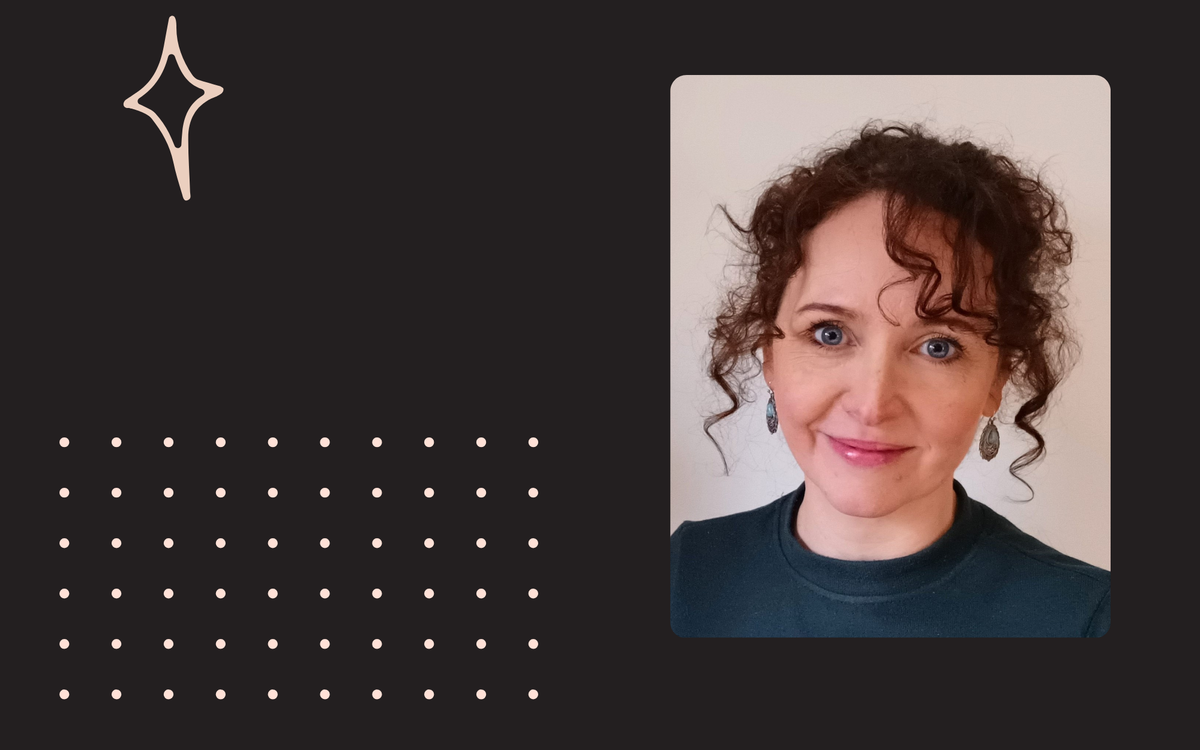
After 15 years of working across academic institutions and NHS services to support pregnant and postnatal people, Dr. Jill Domoney had a realization: the integrated, mind-body approach she knew could help women during the perinatal period simply didn't have space to exist fully within traditional healthcare settings. So in 2021, while still maintaining her research position at King's College London, she founded The Yoga Psychology Centre to create exactly that space.
As a clinical psychologist, postdoctoral researcher, yoga teacher, and Churchill Fellow specializing in perinatal mental health, Jill bridges two worlds that Western healthcare has kept stubbornly separate: the physical and the mental. Her work challenges the embedded idea that emotions and thoughts belong in the mind while the body is something separate or secondary. Through The Yoga Psychology Centre, she offers talking therapy, private pregnancy yoga sessions, and group programmes for first-time pregnant women—all grounded in the understanding that becoming a mother is profoundly physical, and therapeutic spaces must honor that.
Jill's research has focused on developing interventions for antenatal depression, creating NHS guidance for involving partners in perinatal mental health services, and evaluating support for pregnant couples experiencing domestic violence. She's published extensively in the field and is a member of the British Psychological Society's Faculty of Perinatal Psychology. As a Churchill Fellow, she explored how perinatal and infant mental health services are delivered and evaluated in Australia, bringing those insights back to inform developments in England's rapidly expanding perinatal mental health services.
But her path to founding The Yoga Psychology Centre wasn't purely professional—it was deeply personal. She'd practiced yoga for years for the physical benefits: strength, flexibility, balance. But when she trained as a yoga teacher, she discovered something else unfolding: greater emotional steadiness, psychological flexibility, and resilience. As a clinical psychologist and researcher, she found that fascinating. The therapeutic potential of yoga, particularly during major life transitions like pregnancy and early motherhood, became impossible to ignore.
The decision to launch her own centre while trying to get pregnant felt risky. It meant reducing her hours and maternity pay. She didn't know many people running their own businesses and had no blueprint to follow. But once the idea took shape, she couldn't let it go. After becoming a mother 18 months ago, she stepped away from her academic role (while remaining connected through ongoing publications) to focus entirely on The Yoga Psychology Centre. She's now building a group programme for first-time pregnant women who are finding pregnancy more emotionally challenging than expected—shaped by both her professional background and her own lived experience.
Equipped with a Doctorate in Clinical Psychology from University College London, a PhD in Psychology from King's College London, 200-hour yoga teacher training, and specialized training in pregnancy yoga and yoga therapy skills for psychologists, Jill brings both scientific rigor and embodied wisdom to her work. She's registered with the Health Care Professions Council (HCPC) and continues to contribute to the research base while building a practice that makes space for what she calls "the interplay between science, clinical judgement and lived experience."
For Jill, the real skill isn't just understanding the research—it's translating that evidence into something that fits the person sitting in front of you, responding to what's actually unfolding in the room, in their body, in their life. You can follow her work on Instagram at @drjilldomoney.
From Clinical Psychologist and Researcher at King's College London to Founding The Yoga Psychology Centre in 2021 - Integrating Psychology and Yoga for Perinatal Wellbeing
Q: You're a clinical psychologist, postdoctoral researcher and yoga teacher, specializing in perinatal mental health. After 15 years of working across academic institutions and NHS services to support pregnant and postnatal people, you founded The Yoga Psychology Centre in 2021 to create therapeutic spaces integrating both disciplines.
Walk us through the decision to launch your own center while maintaining your research position.
A: The decision grew from several strands coming together over time.
One was a deepening understanding of the impact of yoga, shaped by my own experience. I’d practised yoga for many years, but it was only later, when I trained as a yoga teacher, that I fully appreciated its therapeutic potential. Like many people, I initially came for the physical benefits: strength, flexibility and balance. But with regular practice, I noticed something else unfolding alongside that - greater emotional steadiness, psychological flexibility and resilience.
As a clinical psychologist and researcher, I found that fascinating. I became increasingly interested in how yoga was supporting mental health, and how it might complement psychological approaches, particularly during periods of major life transition such as pregnancy and early motherhood. I wanted to offer this integrated way of working, but there simply wasn’t space to do that fully within the settings I was working in at the time.
Another strand was about balance. I was working with a brilliant, values-led team at King’s College London, in what was then the Section of Women’s Mental Health, on work I really cared about. But academic life is demanding, and much of the day-to-day involves screens, systems and bureaucracy. I found myself wanting to return more directly to what first drew me to this field: working relationally with women in the perinatal period, and doing so in a way that honoured both mind and body.
And then there was a spark. Have you felt that? That moment when an idea arrives and you just know it matters. Once the concept of The Yoga Psychology Centre took shape, I couldn’t let it go. I reduced my hours, built a website, and began sharing the idea - tentatively at first - and it grew from there.
To be honest, at the time, it felt like a risky decision. I was trying to get pregnant, which meant cutting my hours would reduce my maternity pay. I didn’t know many people running their own businesses, and I had no blueprint to follow. But something in me knew I needed a change, and once the seed was planted, I trusted it.
After becoming a mum, 18 months ago, I made the decision to step away from my academic role (although I remain connected through ongoing publications) and focus fully on developing the Yoga Psychology Centre. I’m now building a group programme for first-time pregnant women who are finding pregnancy more emotionally challenging than they expected, shaped by both my professional background and my own lived experience. In many ways, it feels like the natural integration of everything I’ve been working towards.
What were the biggest challenges in building a practice that bridges psychology and yoga?
A: One of the biggest challenges has been working across a divide that’s deeply embedded in Western healthcare i.e. the separation between physical and mental health. Many of us have internalised the idea that emotions and thoughts belong in the mind, while the body is something separate or secondary. In practice, this often shows up in subtle ways. For example, when a client describes a difficult experience or a troubling thought, I might ask where they feel that in their body. At first, many people find this surprisingly hard to answer - not because nothing is happening, but because they’ve never been invited to notice it. Over time, as awareness grows, people often discover clear bodily patterns linked to their emotional world.
Similarly, suggesting movement as a response to difficult thoughts or feelings can initially feel unfamiliar. Many people expect that psychological distress should be met with more thinking, analysing or reframing. The idea that the body might lead the way - through breath, posture or movement - can feel novel, even strange, until it’s experienced directly. So part of the work is gently expanding what people understand as a legitimate therapeutic intervention.
Another challenge is how yoga itself is commonly perceived in the West, often reduced to a physical practice focused on flexibility or fitness. While those elements are valuable, yoga is also a powerful way of working with the nervous system, supporting attention, regulation and a felt sense of safety. When understood this way, it aligns naturally with psychology: psychological approaches help make sense of thoughts, beliefs and identity shifts, while yoga supports how those changes are experienced and embodied.
There’s also the question of evidence. Psychological interventions benefit from a long-established research base, whereas the scientific literature on yoga, while growing rapidly, is still developing in comparison. Building an integrated practice means holding that carefully - being grounded in research, transparent about what we know and what we’re still learning, and committed to developing approaches that are both evidence-based and experientially meaningful.
What advice would you give women considering launching private practices alongside academic careers?
A: My main advice is that these two worlds can sit together very well, but only if you’re intentional about boundaries. An academic career offers far more transferable skills than people often realise: project management, writing, budgeting, systems thinking, administration and long-term planning are all directly relevant to running a private practice. And combining the two can be deeply enriching - working at that higher level in research or service development, while also staying closely connected to people’s lived experience through clinical work.
At the same time, both academia and private practice have a tendency to expand beyond the hours you intend to give them. Without clear limits, it’s easy to overwork and edge towards burnout. Learning to protect your time, say no, and set realistic deadlines is essential.
I also had to soften my own perfectionism. Letting go of the idea that everything has to be done impeccably, and trusting that “good enough” is often more than enough, was key to creating a sense of balance and sustainability. If you can hold that mindset, the combination can be not only possible, but genuinely fulfilling.
Churchill Fellow, Researching Perinatal Mental Health - Developing Interventions for Antenatal Depression, Involving Partners in perinatal services, and supporting survivors of domestic violence.
Q: Your research includes developing interventions for antenatal depression, creating NHS guidance for involving partners in perinatal mental health services, and evaluating support for pregnant couples experiencing domestic violence.
For women building research-informed clinical practices, what's your framework for translating academic research into practical therapeutic interventions?
A: This has always been at the heart of my work. I’ve spent my career moving between research settings and clinical practice, and much of my academic work has focused on developing and evaluating interventions for healthcare services using the best available evidence.
Psychological work sits in an interesting space, because we know that people are not interchangeable and therapy works best when it’s tailored to the individual - their history, context, nervous system and current challenges. At the same time, it’s essential that our work is grounded in theory and evidence. For me, the bridge between those two is a strong understanding of the models you’re drawing on, the mechanisms they target, and the tools that are supported by research.
The real skill comes in translating that evidence into something that fits the person sitting in front of you. That means staying engaged with the research - continuing to read, learn and reflect - while also being deeply present in the clinical space, listening carefully to the client’s story and responding to what’s actually unfolding in the room.
In practice, it’s a dynamic process. I’m always learning from new research, but I’m also learning from the women I work with - about how these theories show up in real lives, in real bodies, and under real pressures. That interplay between science, clinical judgement and lived experience is one of the most creative and rewarding parts of this work, and I draw on both psychology and yoga research to keep that integration alive.
Talking Therapy, Private Pregnancy Yoga, and Group Programmes - Creating Space for Growth and Balance in the Transition to Parenthood
Q: Through The Yoga Psychology Centre, you offer talking therapy for people who are pregnant or in the postnatal period, private pregnancy yoga tailored to individual goals, and online courses for first-time pregnant women.
For female founders building businesses around maternal mental health, what's your advice about creating truly therapeutic spaces that integrate different modalities?
A: I think one of the biggest challenges in maternal mental health right now is noise. Women are exposed to an overwhelming amount of information about pregnancy, birth and motherhood, from social media, podcasts, books, well-meaning professionals, and now AI. Much of it is well intentioned, but it’s often conflicting, and trying to filter it all can leave women feeling more anxious, not less.
Add to that a culture that values productivity, optimisation and “doing it right,” and it’s easy for women to feel they need to keep doing more - more practices, more preparation, more self-improvement - at a time when they actually need support to slow down, tune in, and trust themselves.
For me, creating a truly therapeutic space starts with helping women turn down that external noise and come back to their own centre. That means supporting both mind and body, and yoga is great for that.
Becoming a mother is profoundly physical - pregnancy, birth and early motherhood are lived through the body, so therapeutic spaces must honour that, rather than focusing only on thoughts or behaviour.
Integrating mind-body practices, including breathing and movement, allows women to notice what’s happening in their nervous system, their sensations, and their emotional world, while also making sense of the psychological and identity shifts they’re going through. This is where nervous system-informed work is so powerful: it bridges the gap between body and mind, offering interventions that are not just talked about, but felt. Yoga very much works at the level of the nervous system, and so it’s an ideal practice to support women through this period.
Finally, motherhood is a major life transition. It often calls for new ways of understanding ourselves, our relationships, and our place in the world. Therapeutic spaces need to hold that complexity - offering containment, curiosity, and compassion, so women feel supported not just to cope, but to integrate this profound change in a way that feels grounded and authentic.
What would you tell women about maintaining their own wellbeing while supporting others through trauma and difficult transitions?
A: This is such an important question, and one that’s often overlooked. Many women working in maternal mental health are supporting others through pregnancy, birth and early motherhood at the very same time as navigating those transitions themselves. That was certainly true for me.
Personal experience can be a real strength in this work. Going through my own pregnancy deepened my understanding of the pressures, expectations and emotional complexity of becoming a mother. It also showed me how many women feel stressed, overwhelmed or anxious during pregnancy - not necessarily needing therapy, but quietly not enjoying what is meant to be a significant life chapter. That insight directly inspired me to create a group programme for mums-to-be, offering support before things reach crisis point.
At the same time, when something is close to our own experience, it can be harder to maintain therapeutic distance. We can develop blind spots, or find ourselves unconsciously avoiding certain stories because they touch something tender or unresolved in us. That’s why ongoing clinical supervision is essential. It helps us separate what belongs to us from what belongs to our clients, and keeps the work safe for everyone involved.
It’s also vital to give ourselves permission to step back when needed. Supporting others through trauma is demanding, and there are times in our own lives when the work may simply be too close to home. Taking care of ourselves isn’t a luxury in this field; it’s part of ethical practice.
Ultimately, the same principles we encourage in the women we support apply to us too: listening to our bodies, respecting our limits, and using the practices we know are regulating and restorative. There’s no real divide between practitioner and client - we’re all human, all shaped by our own vulnerabilities and strengths. Holding that with compassion is what allows this work to remain sustainable and meaningful.
Are you a woman leader with an inspiring journey to tell? Founded by Women is on a mission to elevate and amplify the voices of women making an impact.
If you're breaking barriers, driving change, or paving the way for others, we’d love to feature your story. Get in touch with us today!
👉 hi@foundedbywomen.org