Building Virtual Wellness Ahead of the Curve: Tiffany Lord on Launching Love + Asana in 2016, the "Information + Integration" Methodology, and Choosing Holistic Impact Over Venture-Backed Scaling

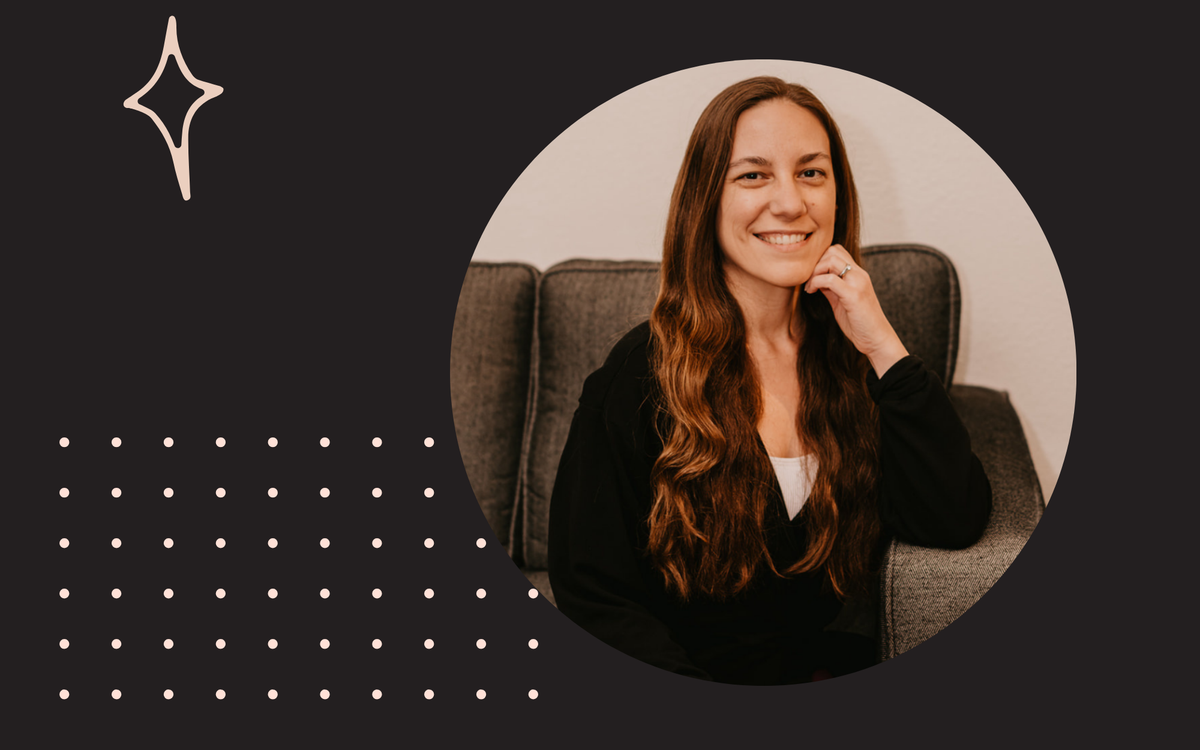
In 2016, Tiffany Lord saw something most people didn't: remote employees were already used to engaging through screens, and they needed quick wellness breaks during the workday—no traffic, no setup time, no waiting. Just open another tab, move your body, reset your mind, and go back to work feeling more focused and relaxed. While most corporate wellness programs still required in-person attendance, Tiffany founded Love + Asana as a virtual wellness studio, offering sessions and workshops for employee wellness that specialized in movement and mindfulness for stress management. She was building ahead of the curve, years before virtual wellness would become mainstream.
As founder of Love + Asana, Tiffany helps busy professionals feel more resilient and empowered in their wellness using simple movement and mindfulness techniques to manage stress. Every session and workshop is based on her "Information + Integration" methodology, where employees learn about wellness, test out techniques, feel the effects, and are encouraged to use them in daily life for lasting impact. This all-levels, accessible approach to physical and mental health at work allows employees to easily learn and implement healthy habits during their workday—and feel the benefits ripple out into all areas of life.
Since 2016, Tiffany has coached thousands of employees through virtual sessions and workshops focused on relaxation techniques, mindset, and mobility. Her wellness articles have been featured in fyi50+, CO Yoga + Life, and she's the author of three "Get With Gratitude" journals based on her online workshop series for resiliency through a grateful mindset. She offers everything from desk stretches and guided relaxation to workshops on sleep hygiene, burnout prevention, and managing persistent pain and Migraine.
But Tiffany's vision for Love + Asana extends beyond what companies typically pay for in benefits packages. She's launching specialized programs like her Cancer Wellness Community (starting February 2026), Healthy Longevity Programs, and "Resilient with Migraine" (her "love letter" to others living with Migraine)—offerings that support employee wellness holistically but fall outside traditional corporate wellness models. She's intentionally kept the business focused on the holistic support she can offer clients rather than scaling with a large team or seeking investors.
Working in high-stress industries like service, event management, and government contracting before founding Love + Asana, Tiffany heard the same refrain over and over: "I don't have time" to prioritize wellness. Her solution was simple but revolutionary for its time: eliminate every barrier between wanting to feel better and actually doing something about it. No commute. No setup. Just consistent, accessible, virtual wellness that meets employees exactly where they are.
Her goal in everything she does is to help people improve their quality of life—and that's what drives her. For Tiffany, success isn't measured by team size or venture capital raised; it's measured by sustainable, meaningful impact for clients who integrate wellness into their daily lives, one minute at a time.
Launching Love + Asana in 2016 - Building a Virtual Wellness Studio Before the Pandemic Made Virtual Wellness Essential
Q: You founded Love + Asana in 2016 as a virtual wellness studio offering sessions and workshops for employee wellness, specializing in movement and mindfulness for stress management. Since then, you've coached thousands of employees through virtual sessions focused on relaxation techniques, mindset, and mobility. Your wellness articles have been featured in fyi50+, CO Yoga + Life, and you're the author of three "Get With Gratitude" journals based on your online workshop series for resiliency. Walk us through the decision to launch a virtual wellness studio in 2016, well before COVID made virtual wellness mainstream. What did you see in the market that convinced you virtual corporate wellness would work, and what advice would you give women about building businesses ahead of the curve rather than waiting for a trend to be validated?
A: Before I founded my own company, I worked in several high-stress industries such as service, event management and government contracting. Many of my colleagues (and myself in certain seasons of life) were not prioritizing their wellness with the reason being “I don’t have time”. In 2016, there were already an abundance of employees working from home even though it wasn’t as widely embraced as it is now – so I knew that there were teams out there who were already used to engaging through a screen and could benefit from quick wellness breaks during the work day without taking time away from their to-do list. No traffic issues. No setup time. No waiting for me to travel to them. Literally, open another tab, move your body and reset your mind, go back to work – feeling more focused and relaxed than before!
As with many businesses that are built ahead of the curve, there’s a phase in the beginning that requires patience as you share your new concept with clients – so my advice would be to have a strong vision, be willing to iterate the way you explain your business to see what resonates with potential clients the most and embrace your capacity to do hard things. Also, if you’re building this business on your own without a team or investors as I did, it can feel like a slow build and you’ll have many ups and downs. Surround yourself with a good support system for the days you want to celebrate and the days you need a shoulder to lean on. Most importantly, keep going!
"Information + Integration" Methodology - Teaching Employees Wellness Techniques They Actually Use in Daily Life
Q: Every Love + Asana session and workshop is based on your "Information + Integration" methodology where employees learn about wellness, test out techniques, feel the effects, and are encouraged to use them in daily life for lasting impact. You offer everything from desk stretches and guided relaxation to workshops on sleep hygiene, burnout prevention, and managing persistent pain and Migraine. For female founders building corporate wellness or coaching businesses, what's your framework for creating programs that employees actually integrate into their lives rather than just attending once and forgetting? How do you help organizations move from wellness as a "check the box" benefit to wellness as a cultural practice? And what's been the biggest challenge in getting buy-in from leadership for proactive wellness rather than reactive programs?
A: I’ve seen this happen over and over again, where people attend an inspirational workshop that truly impacted them in the moment – then never take action to implement anything they learned for the change they wanted to feel. One of my goals is to reduce barriers between feeling amazing in our session and actually using the practice on your own in your daily routine. Let’s face it, our brains are wired to keep us safe and they like the known result – even if that keeps us stuck in our habits. Also, not everyone wants to start using these techniques on their own. Some people only practice when guided, which is completely fine. However, for those clients who want to integrate the tools that I share, they are always encouraged to start small with one technique, 1 minute a day, every single day for one week. It’s a building block that not only feels helpful in the moment of practice, but starts to shift their mindset around making choices throughout the day that move you towards wellness versus illness or overwhelm.
When organizations work with me, we become partners in their employee wellness program. The more they share with me about their culture, organizational changes, wellness challenges and workload fluctuations – the better I can tailor our programming for the year. With relevant topics and acknowledgement of the employee experience, our wellness breaks can feel like an extension of the organization instead of just another vendor coming in. Along with this, consistent offerings such as weekly meditations or a monthly wellness workshop can be part of a culture shift because it shows a dedication of time for employee self-care during work hours.
Many times, I’m speaking to a new client after something has happened – massive layoffs, multiple reorganizations – but I’m always trying to frame wellness in a proactive way to support teams before they are overwhelmed, apathetic and checked out. Reminding leaders that it is always better to integrate wellness support into your culture and the daily lives of your employees when everyone seems happy and healthy. Starting to build trust with wellness providers when employees are in crisis is not ideal. When employees already have trusted wellness providers through their benefits or employee wellness program, they feel more confident asking for support and receiving the help they need – which improves their mental health, resilience and overall wellbeing.
Building Holistic Wellness Beyond Corporate Benefits - Launching Cancer Wellness Community and Healthy Longevity Programs
Q: You launched Love + Asana solo and have intentionally kept it focused on the holistic support you can offer clients rather than scaling with a large team. Beyond your corporate wellness work, you're expanding into programs like your Cancer Wellness Community (starting February 2026) and Healthy Longevity Programs - offerings that support employee wellness holistically but fall outside what companies typically pay for in benefits packages. You've also developed specialized programs like "Resilient with Migraine" (your "love letter" to others living with Migraine). For women building wellness businesses, what's your advice about staying true to your vision of holistic support rather than scaling for the sake of growth? How do you think about expanding into programs like Cancer Wellness Community that serve your clients' real needs even when they don't fit traditional corporate wellness models? And what would you tell female founders about building businesses around deep expertise and meaningful impact rather than chasing team growth or venture-backed scaling?
A: My goal in everything that I do is to help people improve their quality of life and that is what drives me. I love being able to offer services that holistically support the wellness challenges that I hear about in real time. For me to be successful in these areas, my focus is on aligning my expertise with services that offer sustainable and meaningful impact for clients. Growing a large team and working with investors is not part of that focus currently, but I’m always open to exploring options to better serve my clients.
Organizations may not feel comfortable offering classes that support employees in cancer treatment or help their team members manage Migraine symptoms, but I see those offerings as part of a whole person approach that is valued by employees, whether or not the company pays for it.
Having a team and investors supporting your business growth is valuable, but it’s not for everyone. The most important advice I can give in this area is be honest with yourself about what you want and the trade-offs involved. Then embrace what you learn from your decisions and keep growing your business with all of that new wisdom!
Are you a woman leader with an inspiring journey to tell? Founded by Women is on a mission to elevate and amplify the voices of women making an impact.
If you're breaking barriers, driving change, or paving the way for others, we’d love to feature your story. Get in touch with us today!
👉 hi@foundedbywomen.org