From the Music Scene to Nordic Tech PR: Lovisa Fredriksson on Finding Compelling Stories, Why Press Releases Don't Work Like Magic, and Building a Solo PR Practice That Delivers Agency-Level Results

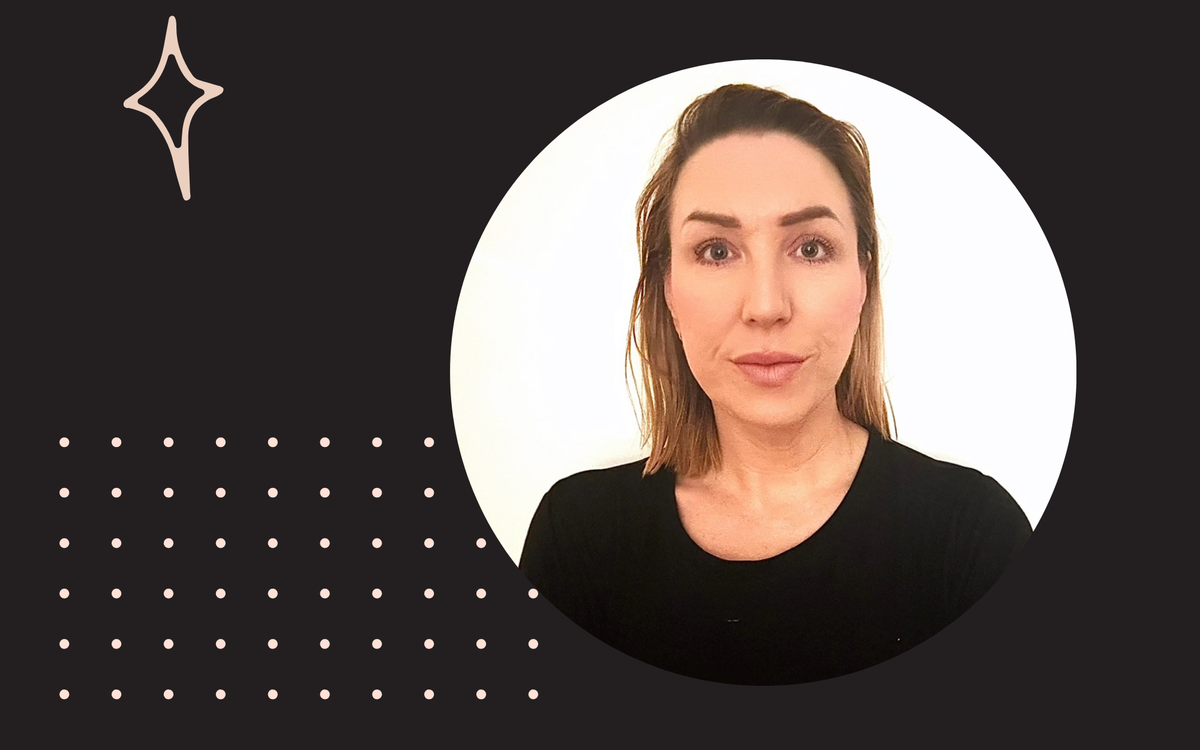
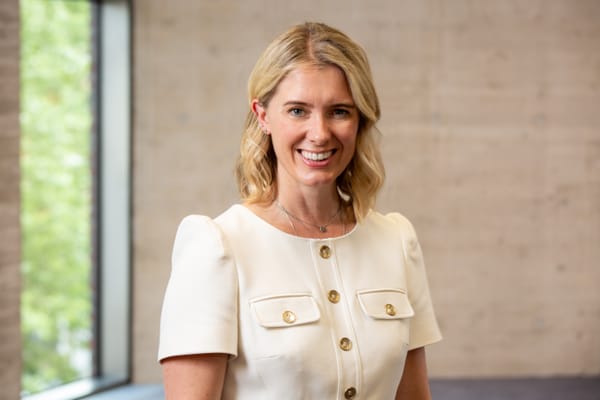
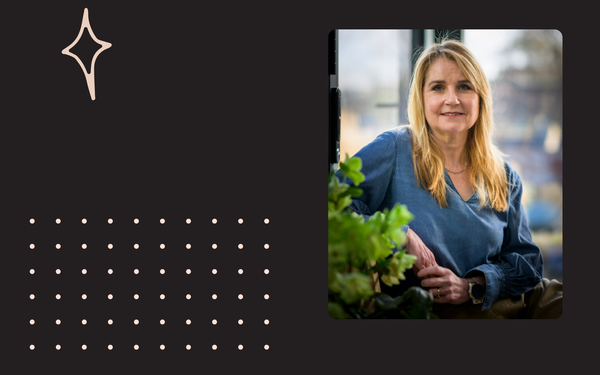
Lovisa Fredriksson is the founder of LFPR & Content, a strategic PR and content agency based in Malmö, Sweden. But LFPR & Content is "so small that it actually consists of only one person" – and that person is Lovisa, who has worked in the PR and communications industry for over 15 years, delivering results across Swedish, Danish, and Norwegian markets for both global companies and startups.
Lovisa's 15+ year career has taken her from writing press releases about getting more girls and women into the music scene (she's been involved with Popkollo, an organization working for gender equality in the music industry, since 2006) to rolling out Twitter for B2B companies before it was cool, to working with tech startups, fintech, IT, and lifestyle brands across Sweden, Denmark, and Norway. She holds a Bachelor's degree in Strategic Communications and completed a two-year Qualified Profession Education (KY) focusing on communications, journalism, project management, and media production.
Lovisa's specialty is helping companies see "the nuggets that make your offer interesting" – because she's convinced that "everything starts with a good story" and that everyone has a good story to tell. She works primarily with B2B companies in tech/IT, industry, and lifestyle, helping them gain visibility and awareness in Nordic media through a combination of strategic PR, media relations, and engaging content.
With her strong editorial background and ability to quickly understand complex topics and explain them in accessible ways, Lovisa has delivered results for well-known established companies and local startups across the Nordic region. She's known for her "diligent" approach to media relations – she still pitches journalists over the phone, which she says "really makes a difference" – and her refreshingly honest take on PR realities. As she's written on LinkedIn: "Sending a press release over the wire doesn't put it in some magical journalist inbox that guarantees it will end up getting covered. Or even seen."
Clients praise her as "straightforward and result-oriented with an excellent flair for not only the good story but also client service" and appreciate her ability to find news value and complement it with interesting angles. Based in Malmö, Lovisa works both independently and with trusted partners across the Nordic region, adapting to different industries and helping clients achieve their communication goals through clear, focused messaging that emphasizes customer benefit.
In this Q&A, Lovisa shares how she uncovers compelling angles for founders who think their stories aren't exciting enough, what actually gets Nordic journalists to pay attention (and why knowing someone in the media won't help if your story isn't strong), and her framework for maintaining quality and avoiding burnout as a solo PR consultant delivering agency-level strategic thinking.
From the Music Scene to Tech Startups - Finding the Story That Connects
Your 15+ year career has taken you from writing press releases about the importance of getting more girls and women into the music scene to rolling out Twitter for B2B companies (before it was cool!) to working with tech startups, fintech, and lifestyle brands across Sweden, Denmark, and Norway. You've said "everything starts with a good story" and your specialty is helping companies see the "nuggets that make your offer interesting." For female founders who feel their business story isn't exciting enough, how do you uncover the compelling angles and news value that media and audiences actually care about? What's the difference between a story that lands versus one that gets ignored?
That’s a really interesting question. I think that very many people, especially women, doubt themselves and believe that their story isn’t interesting enough. Sometimes it’s true, but most of the time it’s not, it’s really just about finding the right” hook” and package it in a compelling way. It can be hard to find this specific hook yourself, so my recommendation is to ask people around you – your friends, your network and your peers – what would they say are some exciting things about you and your company? It’s so easy to get home blind, you will probably get amazed by the answers that you get.
The Reality of Press Releases and Media Relations in 2024
You've been refreshingly honest on LinkedIn about how "sending a press release over the wire doesn't put it in some magical journalist inbox that guarantees it will end up getting covered. Or even seen." With over 15 years working in Nordic media relations, what's your realistic assessment of what actually gets journalists to pay attention?
I would say the most important thing is to have a deep interest in and also respect for the journalist, the media and their readers. Ask yourself questions such as “Why should this reporter and this media cover my story?”, “What makes me and my story interesting to their readers?” Do your research and always focus on the outside-in perspective. It’s interesting to think how many companies believe that sending out press releases is equivalent of doing PR. Many journalists get hundreds of press releases every day, and don’t read even the headline of the majority of them. I know that many PR people say they’re not pitching over the phone anymore, but I still do and it really makes a difference. That’s also what I’ve heard from some of my clients, that I work with media relations in a very diligent way and that’s what’s creating the results.
For female founders with limited PR budgets, where should they invest their time and money to gain visibility and awareness in Swedish and Nordic media? What are the biggest misconceptions startups have about media relations, and how should they approach it differently?
The thing is that even if your budget is really big or very limited, the story is still what’s most important. Also, if you have a strong story, you don’t need a big budget. So, my recommendation is to work on creating a strong story with a compelling and interesting hook that will create interest among the people you wish to reach.
Regarding media relations, I think the most common misconception is that you need to know someone in the media to get coverage. That’s not the case (but you need to know the media landscape though), especially not in the Nordics where journalists are very protective of their integrity. For example, a Swedish journalist would very seldom – if ever – accept a paid press tour and/or press dinner of any kind. This has very much to do with integrity but also their objectivity. Swedish and Nordic media can be tricky in many ways as the bar to get featured in a publication, especially a high profile one, is extremely high. Nordic journalists won’t do you any favors in any ways. I would say that knowing a journalist can help getting your email opened or your phone call answered, but if the story sucks, it still won’t be featured. So, once again – focus on the story and the rest will follow.
Building a Solo PR Practice That Delivers Agency-Level Results
LFPR & Content is just you, yet you deliver strategic PR and content services for both global companies and startups across multiple Nordic markets. You've worked on everything from promoting gaming events to sustainability reports to creating entirely new brands. For female entrepreneurs considering going solo in communications or consulting, what's your framework for maintaining quality and client satisfaction when you're a one-person operation?
Listen to yourself as much as you are listening to the client, if not more. Remember that you are the PR professional and believe in yourself and your competence, even if we all have those days when it’s tricky to do so. Set boundaries, keep your head high and take in external help when needed. For bigger projects, I always prefer to have a ball plank when it comes to both ideas and execution.
How do you set boundaries, manage project loads, and deliver "agency-level" strategic thinking without burning out?
Discipline is super important. Sometimes it can be super stressful and difficult to keep your head above the water. What has helped me has been meditation as well as focusing on one thing at a time. Also, it’s important to remember that sometimes “good enough” is just fine - you don’t need to be on your toes all the time. Maintaining your mental as well as your physical health is crucial. No one – least of all your clients - will benefit from you burning yourself out.
Are you a woman leader with an inspiring journey to tell? Founded by Women is on a mission to elevate and amplify the voices of women making an impact.
If you're breaking barriers, driving change, or paving the way for others, we’d love to feature your story. Get in touch with us today!
👉 hi@foundedbywomen.org