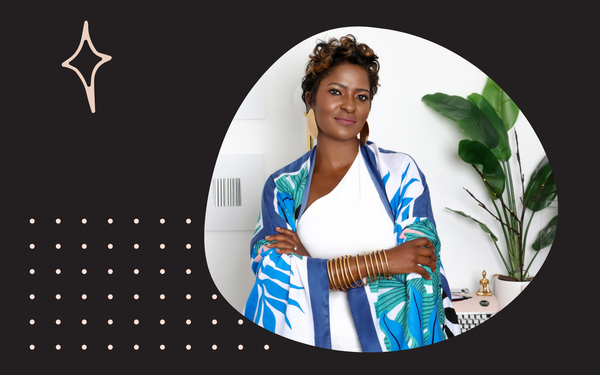
From Tech City UK to Building CEW Communications: Cathy White on Strategic PR for Startups, Why Credibility Matters More Than Coverage, and How Founders Should Think About Communications Before, During, and After Fundraising


Cathy White knows what it takes to break through the noise in Europe's startup ecosystem. As Founder and Director of CEW Communications, she's built one of Europe's top boutique agencies for tech scaleups since launching in 2016. Within two years, CEW was recognized as one of the UK's top 100 small businesses and is regularly highlighted as one of the best agencies for scaling tech companies and VCs. Her client roster spans early-stage and fast-growth companies, including Glovo, Mondu, and Sleepwave, as well as VCs such as APEX Ventures, Exceptional Ventures, Lunar Ventures, Pact, and venture studio Insurgent.
Before founding CEW, Cathy served as Head of Communications for Tech City UK (now Tech Nation), an organization accelerating the growth of digital startups and skills in the UK, and as Communications and Marketing Manager for Seedcamp, a first-round fund investing in pre-seed and seed-stage tech startups.
Today, CEW offers integrated communications services, including PR, social media, content creation through the CEW Writers Studio (a group of professional journalists contributing to the BBC, Sifted, and other major publications), and strategic advisory services.
Here, Cathy breaks down when founders should invest in professional PR versus building credibility through owned channels first, and why "silence is far more damaging than imperfect messaging" in the era of founder-led communications. She explains how to approach communications strategy before, during, and after fundraising rounds—and why media coverage amplifies stories but doesn't replace strong fundamentals. And she shares how to build authority through content that demonstrates depth rather than just filling a blog, offering a pragmatic framework for founders deciding where to show up and, just as importantly, where not to.
From Tech City UK to Building CEW Communications for Startups
You founded CEW Communications in 2016 after serving as Head of Communications for Tech City UK and Communications and Marketing Manager at Seedcamp, giving you an inside view of the startup ecosystem from seed to scale.
For female founders launching their first businesses, when is the right time to invest in professional PR versus handling communications themselves? What are the biggest mistakes you see early-stage founders make when trying to get their message to market, and how should they think about building credibility before they can afford an agency?
Credibility is the right place to start, because it underpins almost everything a founder needs to do in the early days - from fundraising to hiring to winning their first customers.
Crucially, credibility can be built long before you ever engage with the media. In fact, the stronger and more active you are across your own channels, the better your press outcomes will be when the time comes. Journalists, much like investors, need to see that you’re a trusted, consistent voice before they take you seriously.
Founders should begin with the channels they fully control. That means your website, your personal LinkedIn profile, and one core social channel for the business. While it’s tempting to do everything at once - blogs, newsletters, multiple platforms - that approach is often overwhelming and unsustainable. Start small, stay active, and focus on producing content your target audience genuinely cares about. Visibility matters, but substance matters more. What you say, and how clearly you say it, is what builds authority.
The biggest mistake I see early-stage founders make is inactivity. We’re operating in an era of founder-led communications, and silence is far more damaging than imperfect messaging. Founders often think they only have permission to speak when they’re selling something. Still, credibility is built by talking about the wider problem you’re solving, your perspective on the market, and why you’re uniquely placed to build this business. Being present, opinionated, and consistent goes a long way.
The right time to invest in professional communications is usually when there’s a significant moment coming up - a fundraising announcement, a major launch, a hiring spree, or a product push - or when the cost of doing it yourself becomes too high. Every hour a founder spends on comms is an hour not spent on product, sales, or investment. Once you’re financially able, partnering with the right integrated agency can make a significant difference. Done well, communications isn’t just about PR - it supports growth across your entire business.
Strategic Communications for Fundraising and Investor Relations
CEW Communications works extensively with VCs, accelerators, and startups from Seed through Series C, supporting clients through fundraising rounds. You previously hosted the EU VC Lowdown podcast and have made angel investments, giving you perspective from multiple sides of the funding table. For female founders preparing to raise capital, how should they approach communications strategy before, during, and after a fundraising round? What role does media coverage and thought leadership play in attracting investor attention? How should founders position themselves and their companies to appeal to VCs while building authentic market traction?
When founders are preparing to raise at the pre-seed or seed stage, my advice is to be very disciplined about where communications sits on the priority list. Fundraising can easily consume 80–90 percent of a founder’s time, and you still have a company to build. At this stage, external PR should be limited. Instead, focus on the channels you own - your website, your founder profile, and a small number of consistent touchpoints that clearly articulate what you’re building and why it matters. Investors will look you up before they meet you; your job is to make sure what they find is coherent, credible, and current.
That said, communications shouldn’t be something you only think about when you’re actively raising. When you’re not in a live process, you should always be laying the groundwork for the next round or conversation. This means steadily building credibility through owned and earned channels: sharing informed perspectives on your market, demonstrating momentum, and becoming a recognisable voice in your space. Over time, this creates familiarity, which is incredibly powerful in venture - most deals start well before a pitch deck is ever sent.
Media coverage can play a role, particularly in building awareness and narrative, but it’s important to be clear-eyed about what it does and doesn’t do. Investors won’t - and shouldn’t - back a company because it appeared in TechCrunch, Axios, or any other outlet. Media can amplify a story, but it isn’t an investment strategy. VCs back opportunities with large markets, strong traction, differentiated products, and teams that can execute. Numbers matter, and no amount of coverage compensates for weak fundamentals.
The strongest positioning for founders comes from aligning communications with genuine market traction. Thought leadership works best when it reinforces what the business is already proving - insight into a growing problem, evidence of demand, and a clear vision for scale. As companies grow, gain momentum, and have capital behind them, more proactive PR can significantly accelerate investor interest. But early on, the focus should remain squarely on building the business; communications should support that goal, not distract from it.
Building Authority Through Content and Thought Leadership
CEW Writers Studio employs professional journalists contributing to BBC, Sifted, The Next Web, and other major publications, producing everything from thought leadership articles to whitepapers. For female founders in tech who need to establish authority in their sectors (AI, FinTech, HealthTech, etc.), how should they approach content strategy? What's the difference between content that actually builds credibility versus content that just fills a blog? How do founders identify which platforms and formats (articles, podcasts, speaking) will give them the best return on their time investment?
For early-stage founders, content strategy has to be pragmatic before it’s ambitious. Authority isn’t built by being everywhere; it’s built by being consistent and credible in the places that matter. I always advise founders not to over-commit. Start with the fundamentals: keep your own social channels active, ensure your website clearly articulates what you do and why it matters, and regularly audit your digital footprint. A simple digital review - search results, bios, outdated messaging - can often deliver more authority than launching a new content stream too early.
The difference between content that builds credibility and content that simply fills a blog is intention and precision. Credible content is written for a very specific audience and takes a clear point of view. It doesn’t try to please everyone, and it’s not rushed out at scale. Thought leadership should demonstrate depth - original insight, lived experience, or a strong opinion grounded in expertise. If content feels generic, interchangeable, or designed for clicks alone, it rarely builds trust, especially in complex sectors like AI, FinTech or HealthTech.
When it comes to ROI, channels don’t operate in isolation - they reinforce each other - but time is often the scarcest resource for founders. That means making calculated bets. I encourage founders to ask three questions: does this put me in front of the audience I actually want to reach? How much of my time does it realistically require to do well? And how else can I reuse this content once it’s live? Speaking at an event, for example, can be incredibly powerful - it puts you in the room with the right people and generates social proof - but it’s also time-intensive. If you’re doing it, think bigger: can it lead to press coverage, recorded content, investor conversations, or private dinners with key stakeholders?
Finally, founders should think in terms of content ecosystems, not one-offs. A strong opinion piece can lead to a panel invitation; a podcast appearance can open the door to journalist relationships; a whitepaper can underpin months of social and sales conversations. Authority is cumulative. The founders who build it most effectively are the ones who are intentional, selective, and strategic about where they show up - and just as importantly, where they don’t.
Are you a woman leader with an inspiring journey to tell? Founded by Women is on a mission to elevate and amplify the voices of women making an impact.
If you're breaking barriers, driving change, or paving the way for others, we’d love to feature your story. Get in touch with us today!
👉 hi@foundedbywomen.org