From Background Vocalist to Award-Winning IP Attorney: Jo-Ná A. Williams on Protecting Creatives from Exploitation, Negotiating Without Killing Deals, and Building a Law Practice That Doesn't Lead to Burnout
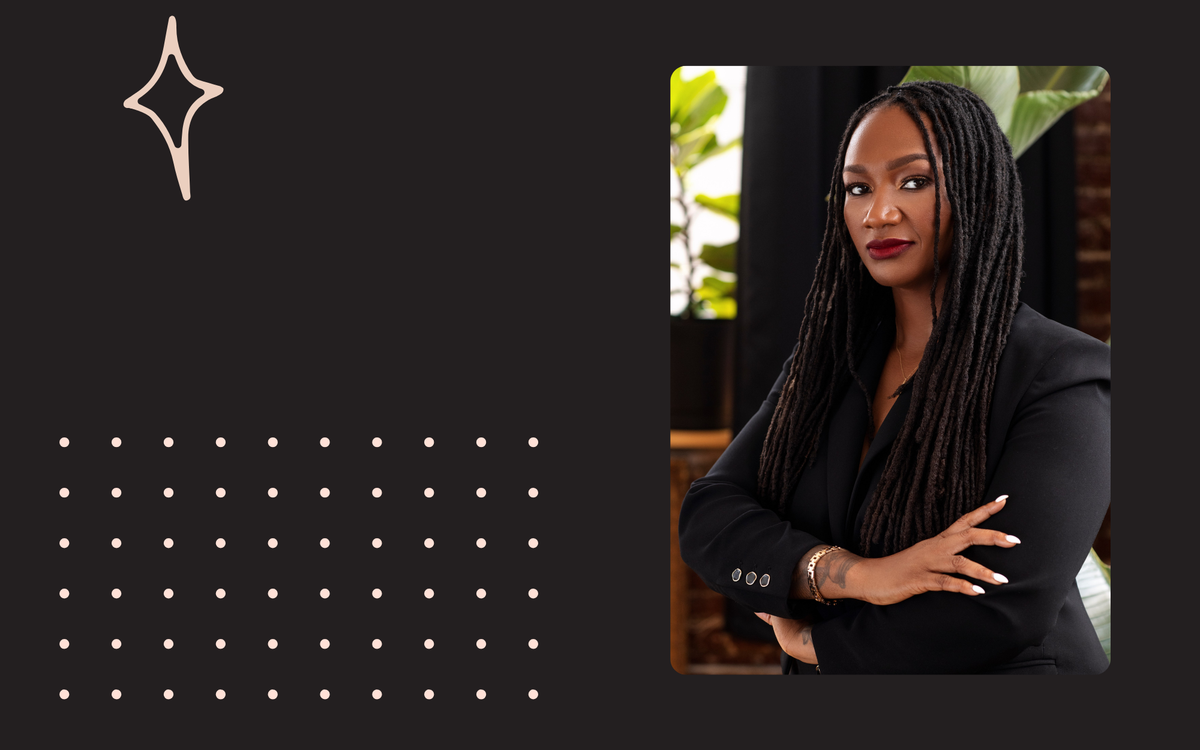
Jo-Ná A. Williams, Esq. is an award-winning attorney, founder, advisor, and instructor who founded J.A. Williams Law P.C. in 2011 to provide artists, entrepreneurs, and thought leaders with ways to successfully navigate their careers, secure their companies, and protect their intellectual property. But her path to founding her law firm came after a deeply personal experience 23 years ago, when she was not credited or compensated for her work as a background vocalist and songwriter.
That exploitation became her turning point. Jo-Ná committed her life to educating and protecting entrepreneurs through her work as a lawyer, coach, instructor, and business advisor on entrepreneurship. In 2013, she founded her coaching company to advise creatives and business owners on entrepreneurship, branding, and marketing, believing that "owning your own business is a path to freedom, security, and authentic creative expression."
Her clients include Grammy-nominated artists, Billboard Top 100 performers, New York Times best-selling authors, and entrepreneurs who have received local and international acclaim. Jo-Ná specializes in entertainment, business, Internet, and intellectual property matters, providing assistance with contracts, trademark and copyright protection, business formation, and strategic negotiations for creatives navigating deals with record labels, publishers, galleries, investors, and brands.
Jo-Ná has been named one of the Top 40 Lawyers Under 40 by the National Black Lawyers and Intellectual Property & Business Attorney of the Year by Acquisition International in 2019. She was named "Alumni Innovator" by Suffolk University Law School's Institute of Law Practice Technology and Innovation. She's been featured in Forbes, Entrepreneur, Fortune, Black Enterprise, Marie TV, The Huffington Post, and The Root, and has spoken at Facebook, LinkedIn, NYU, and Rent The Runway. Jo-Ná is also a WNBA agent and serves on the board of The LGBT Center NYC.
But despite her success, Jo-Ná faced a profound challenge. "I love helping my clients, and I love the law, but the freedom that most entrepreneurs said they had, I didn't feel," she shares. "While I'd made good money, I still felt like I was not in control of my life and had more pressure than ever to produce more, be more, do more, give more—and I was exhausted. As a Black woman, I felt that it was my responsibility to never show vulnerability or mistakes, as that meant I would not be able to ever receive opportunities again."
This culminated in burnout that took over two years to recover from. The experience led to a complete reinvention. "I realized that in order to live a vibrant and full life, I had to create the foundation that incorporated and cared for all aspects of my life—my connection to myself, my spiritual wellness, my relationships, my passion, my pleasure, my financial health, my physical health, my calling, and my business—in a way that continued to allow innovation, creativity, purpose, and revenue."
Today, Jo-Ná is passionate about helping entrepreneurs protect what they work hard to create while building businesses that support sustainable growth rather than burnout. She provides free online legal workshops for entrepreneurs through her website at jawilliamslaw.com and continues to advocate for creatives whom she believes are "a population highly vulnerable to exploitation without proper knowledge."
In this Q&A, Jo-Ná shares the most critical mistakes founders make with IP protection, how to negotiate strong contracts without killing opportunities, and how to structure your business to prevent the burnout that nearly ended her own entrepreneurial journey.
IP Protection for Creatives and Entrepreneurs – What Founders Miss Before It's Too Late
You started your legal career after not being credited or compensated for your work as a background vocalist and songwriter, which led you to focus on preventing exploitation through proper IP protection. For female founders in creative industries—whether they're building content businesses, product brands, or service companies—what are the most critical mistakes you see them make early on?
Such a good question. One of the most critical mistakes I see is founders not documenting everything. It's essential to maintain a clear paper trail of communications, payments, agreements, and records.
Many founders don't realize how easy it is for someone to report a business to Google or the BBB, or for a client or customer to initiate chargebacks—often costing hundreds or even thousands of dollars. Always keep your correspondence and business documents organized and accessible.
Another major issue is security. This includes online security for your accounts, protecting client information, obtaining cyber insurance (especially if you operate online), and having an attorney review your testimonials, webpages, and draft your website's terms and conditions and privacy policies.
You should also take extra measures to secure your social media profiles and laptops, and never use public Wi-Fi. It's incredibly easy for bad actors to steal information, access client data, or phish confidential information from phones and laptops. There are serious legal implications if client or customer data is compromised, and you also need to protect yourself personally.
When should founders actually file trademarks versus when it's premature?
I love this question. I always tell people to file a trademark if you are so committed to a name, logo, or tagline that you would be upset if someone else registered it.
If you're still figuring things out or feel lukewarm about the branding, it's usually not worth the investment yet. Trademark registration is a long process—sometimes a year or more—and it can be expensive. It's not as simple as registering a domain name.
How do you advise clients to protect their work without spending thousands on legal fees before they have revenue?
I actually have a document on my website, jawilliamslaw.com, that people can sign up to receive. It outlines multiple ways to protect your work online beyond traditional copyrights, trademarks, and patents.
Some of the most important steps include placing copyright notices on your work, adding appropriate disclaimers to your website, and setting up Google Alerts so you're notified if your work is posted, sold, or used without your consent. That way, you can quickly address misuse and contact the wrongdoer.
Contracts That Protect Without Killing Deals – Negotiating as Artists and Entrepreneurs
Your clients have been Grammy-nominated, reached the Billboard Top 100, and written New York Times bestsellers. They're navigating deals with record labels, publishers, galleries, and brands. For female founders negotiating contracts—whether with investors, partners, vendors, or clients—what clauses should they pay special attention to, and what red flags do you commonly see?
One major red flag I see is investors expecting a return on their investment too quickly. It typically takes at least five years for a company to move beyond its infancy stage, so expecting returns in year one is concerning.
Another issue is ownership rights, particularly when working with vendors or service providers. For example, when you hire a designer, do you own the final design after full payment, or are you merely receiving a license that can be revoked or that requires ongoing fees to continue using the work?
Cancellation terms are also incredibly important. If a service provider cancels or fails to fully perform their contractual obligations, what remedies do you have?
Finally, make sure you are clear on the payment schedule, delivery timeline, and all other parameters for performance. You want to ensure you receive exactly what you paid for and that the contract clearly explains how you are made whole in the event of a breach.
How do you coach clients to negotiate strong protections without seeming difficult or killing opportunities—especially when they're early-stage and feel they have limited leverage?
Negotiation is an art, but the most important thing to know is your boundary. You need a clear line where you're willing to walk away, and everything above that line is negotiable.
Also remember: there are many opportunities and brands to work with. Never sacrifice your mission, integrity, or focus just to close a deal. Once a company knows you're willing to do that, they will never meet you at numbers that truly reflect your value.
Always write down how your work provides value to them. That way, if the numbers fall short, you're prepared to articulate why you deserve more. And remember—you do have value, or they wouldn't want to work with you in the first place. Many companies rely on founders not knowing the true price of that value.
Do your research on the company or brand. Look at how they've worked with similar businesses and whether they've had issues in the past. Social media and Google can be powerful leverage tools.
Building a Business Without Burnout – Legal Structures That Support Freedom, Not Trap You
You've written about realizing that despite making good money and working with successful clients, your law practice wasn't giving you the freedom entrepreneurship promises—you felt constant pressure to "produce more, be more, do more," and you were exhausted. For female entrepreneurs setting up their businesses, what legal and business structures should they put in place from day one to protect their time, energy, and boundaries?
This is such an important question. The most critical boundaries are the ones you set with yourself.
After experiencing burnout that took over two years to recover from, I used to tell people I was on "burnout watch" with myself. I reflected on the behaviors that led me there—long hours, no time off, scaling too fast, sacrificing my health—and I became determined never to repeat them.
On the other side of burnout, I felt amazing, happy, and free. That came from honestly evaluating what I needed and then building structures to support that. I had to be strict about work hours, use a separate work phone, take real time off, and intentionally schedule self-care and social time. It was a process.
This is not just about business structures—it's about ensuring you have a full life outside of work. Entrepreneurship is incredibly fulfilling, but it can easily become all-consuming without systems that protect you as a human being.
Hiring help was also critical—both domestic and business support. When you really look at your budget, you often find room to make life easier. Burnout frequently comes from not having enough support.
Finally, communicate clearly with family and friends about your availability so your work time and personal time don't constantly overlap.
How can founders structure their businesses to actually support sustainable growth and prevent burnout?
Design legal documents around how you want to live, not just how you want to earn.
Your entity structure and operating agreement should clearly define:
- Who makes decisions
- How the business operates
- How conflict is handled before it becomes personal
Operating agreements should be used to set expectations—not just ownership. That includes defining roles and authority, and addressing what happens if someone checks out, underperforms, wants out, or even passes away.
Finally, build contracts that protect your nervous system. Strong contracts include:
- Clear scopes and non-negotiables
- Boundaries around access, response times, and revisions
- Processes that reduce constant back-and-forth and urgency culture
Are you a woman leader with an inspiring journey to tell? Founded by Women is on a mission to elevate and amplify the voices of women making an impact.
If you're breaking barriers, driving change, or paving the way for others, we’d love to feature your story. Get in touch with us today!
👉 hi@foundedbywomen.org