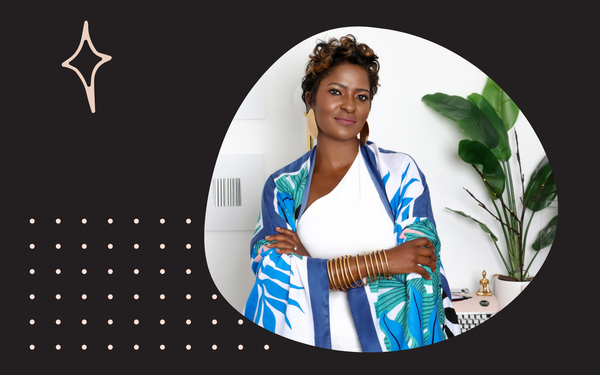
From $127M Verdicts to Strategic Co-Founding: Tedra Cannella on Products Liability, Partnership Architecture, and Beating Fortune 500s at Their Own Game
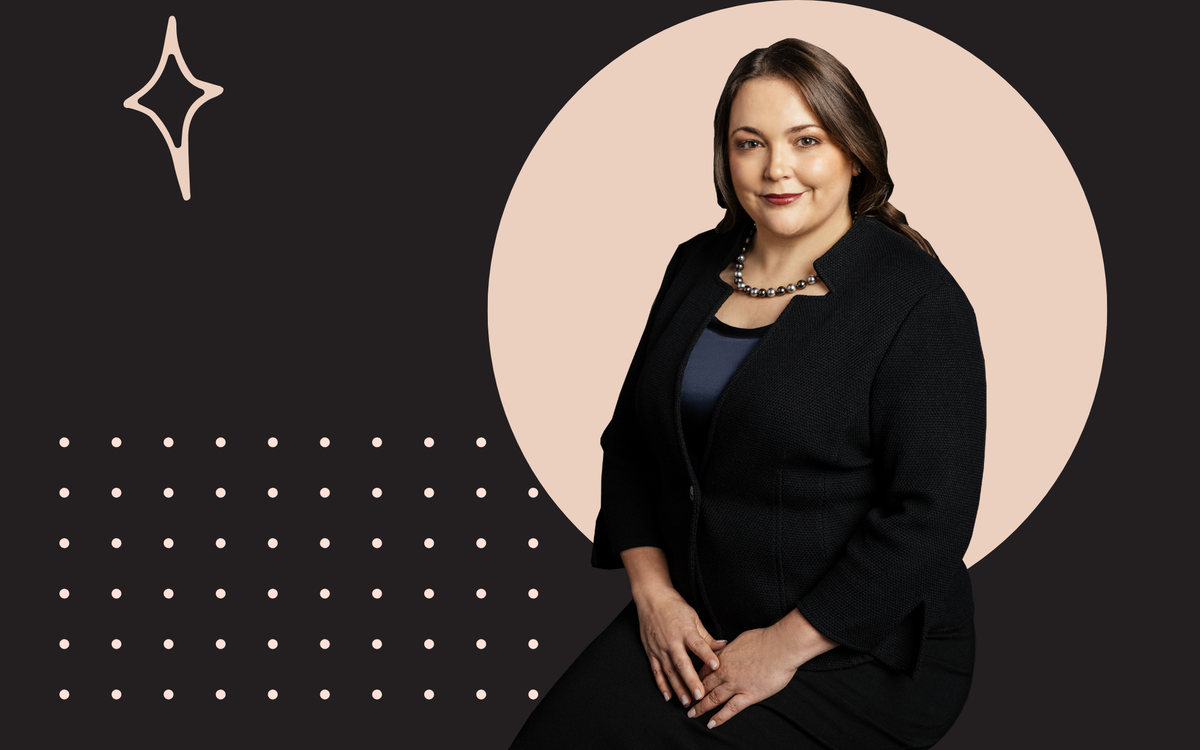
In litigation, most lawyers talk about winning. Tedra Cannella actually does it—and she does it against opponents with unlimited resources, elite legal teams, and every structural advantage money can buy.
As co-founding partner of Cannella Snyder LLC, Tedra has built a litigation practice that defies conventional wisdom about how small firms compete. Since launching in 2021 with her law school classmate and former partnership colleague Rob Snyder, the firm has recovered over $300 million for clients by doing what most boutique litigation shops can't: taking on Fortune 500 companies and major insurance carriers in high-stakes products liability, breach of fiduciary duty, wrongful death, and trucking cases—and winning.
Her track record speaks for itself. A $127 million verdict in a seatbelt products liability case. Multimillion-dollar recoveries in cases where corporate defendants arrived with unlimited budgets and armies of BigLaw associates. Victories that didn't come from outspending opponents, but from outthinking, outworking, and outpreparing them at every turn.
But what makes Tedra's approach particularly valuable for female founders isn't just her courtroom success—it's her strategic framework for building a business that can compete against Goliath from day one. Cannella Snyder operates on a simple but ruthless principle: intentionally limit caseloads, choose the right battles, and maintain relentless focus on execution. No churning files to pad billable hours. No taking cases just because the retainer checks clear. Just disciplined case selection, brutal preparation, and the willingness to tell clients hard truths even when it's uncomfortable.
For founders navigating products liability exposure, partnership structures, or David-versus-Goliath legal battles in any industry, Tedra's insights cut through the theoretical advice and get to what actually works when you're outgunned, outspent, and facing opponents who think they can wait you out or bury you in paperwork.
In this conversation, she breaks down the critical liability protections product-based businesses miss, the non-negotiable legal structures co-founders need before launching, and the strategic framework for taking on powerful opponents when you're operating with a fraction of their resources.
Products Liability and Breach of Fiduciary Duty – What Founders Need to Know About Third-Party Liability
Q: You focus on products liability, breach of fiduciary duty, wrongful death, and trucking/automobile cases, successfully representing people against Fortune 500 companies and large insurance companies (including a $127M verdict in a seatbelt products liability case). For female founders building product-based businesses, what are the most critical liability protections they're missing? When should founders worry about products liability insurance, and what's your framework for understanding when third-party liability claims could come back to haunt them - especially for founders who manufacture, distribute, or sell physical products?
A: Prioritizing safety must be embedded in a company’s culture from the start. If leadership is unwilling to invest the necessary time, money, and attention into safety, that message inevitably filters down to employees and it shows in the product. Designing safe products with the guidance of qualified experts is essential, yet I am often surprised by how many companies design, manufacture, and sell products without conducting rigorous safety analysis or testing.
Equally concerning is how some companies respond once injuries are reported. Failing to investigate or address the root causes of injuries is a significant red flag. Another serious mistake is choosing not to inform consumers about a known danger. Consumers have the right to make informed decisions about whether a product’s benefits outweigh its risks, and clear, accurate warnings are a critical part of that process. When companies cut corners on safety or transparency, liability exposure can escalate quickly.
Co-Founding a Law Firm - "Plan as Much as You Can, But Don't Over-Plan"
Q: You co-founded Cannella Snyder with Rob Snyder in 2021, and in less than two years you'd recovered over $100 million for clients (collectively over $300 million). You've shared advice about founding a firm: "Plan as much as you can, but don't over-plan... there's only so much you can know before you begin." For female entrepreneurs considering partnerships or co-founding businesses, what are the non-negotiable legal and business structures you need in place before launching (accounting, insurance, operating agreements)? What surprised you most about co-founding a firm, and what legal protections should co-founders establish upfront to prevent partnership disputes down the road?
A: When my partner Rob and I started Cannella Snyder, we had not planned. That said, we were both partners at our prior firm and had attended law school together, so we had the benefit of a long-standing, trust-based relationship, an advantage most founders don’t share. For that reason, finding a partner you truly trust, who contributes equal value to the business (even if in very different ways), and who shares similar views on money, work ethic, and long-term vision is very important.
Once that foundation is in place, clear structure matters. Set expectations early and reduce subjective interpretation as much as possible. A well-drafted partnership or operating agreement is essential, particularly one that addresses what happens if a partner leaves or the relationship changes. No one has a crystal ball, and planning for those scenarios upfront can prevent significant disputes later.
Co-founding a firm has been incredibly rewarding. The strength of our partnership is greater than the sum of its parts. The idea generation, shared responsibility, and camaraderie make the work more enjoyable and, ultimately, allow us to serve our clients better.
Fighting Fortune 500 Companies as a Small Firm – David vs. Goliath Strategy for Female Founders
Q: Cannella Snyder intentionally limits the number of cases you take to maintain relentless focus on clients, yet you're winning multimillion-dollar verdicts against some of the biggest corporations and law firms. For female founders in any industry facing legal disputes with much larger, better-resourced opponents (whether it's contract disputes, IP infringement, or regulatory battles), what's your strategic framework for taking on Goliath when you're David? How do you advise clients to evaluate when to fight versus when to settle, and what should founders look for when hiring legal counsel to go up against powerful defendants?
A: The first and most important step is choosing the right cases. When you’re up against large corporations with unlimited resources, the only way to win is to be right on the facts and the law. But being right is just the beginning.
Success also requires relentless preparation and execution. You must outwork and outthink the opposition by anticipating their moves, staying disciplined, and committing fully to the fight. For founders, that means surrounding yourself with counsel who are willing to dig deep, stay focused, and pursue the case with intensity and resolve, rather than being intimidated by the size or resources of the other side. Founders also need lawyers who will level with them and deliver the truth, even when it is hard to hear. For lawyers who bill by the hour, there is an incentive to churn the file instead of resolving the case. Create an environment that encourages frank communication and practical resolutions.
Are you a woman leader with an inspiring journey to tell? Founded by Women is on a mission to elevate and amplify the voices of women making an impact.
If you're breaking barriers, driving change, or paving the way for others, we’d love to feature your story. Get in touch with us today!
👉 hi@foundedbywomen.org