From Artist to Climate Entrepreneur: How Jane Langley Built a Business Community with Nature at Its Core

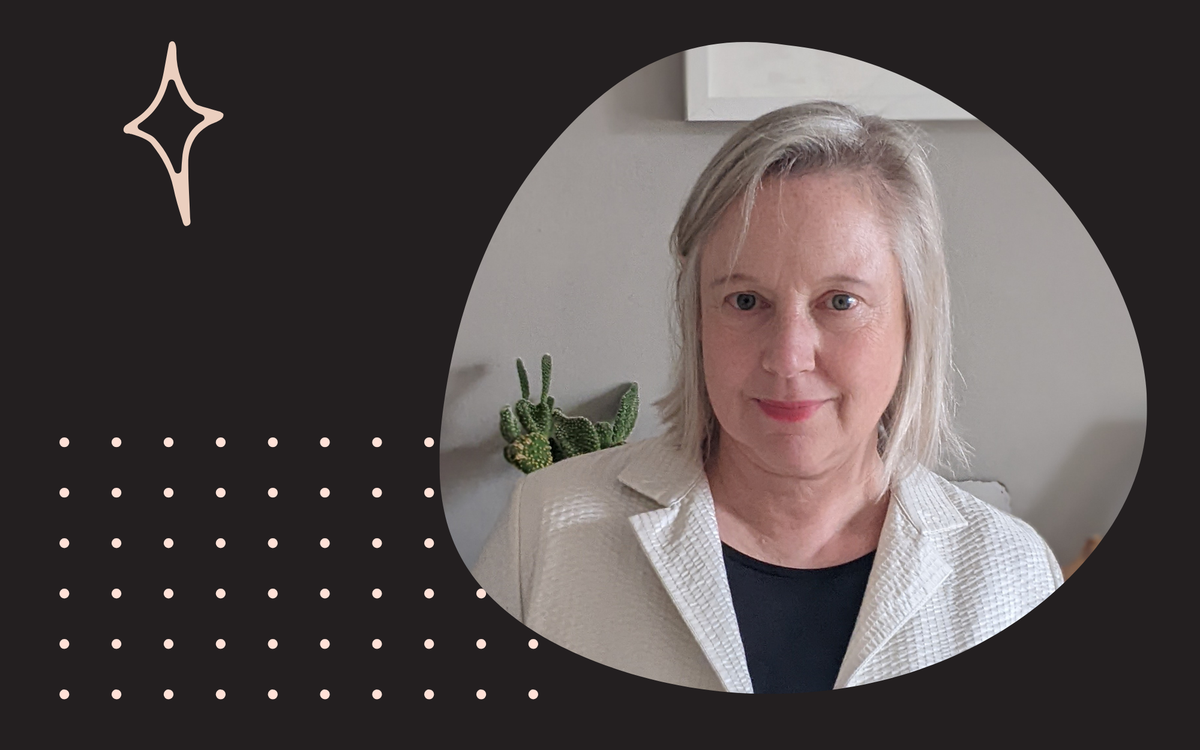
Jane Langley spent 27 years as an artist, curator, and visiting lecturer in art. Sustainability wasn't her industry, it was her conviction. After hearing author Tom Friedman speak and reading his book on climate and globalization, she began asking a question that wouldn't leave her alone: could a business community built around genuine care for nature and ethical values survive in the free market? That question sent her to a notebook in Canada in 2009, and eventually into a decade-long project that became Blue Patch.
Launched in 2014, Blue Patch is a UK-wide sustainability-minded business community and directory designed specifically for micro and small businesses. It is part learning platform, part peer network, part accountability structure. The model itself is rooted in nature at its most fundamental: Jane developed the Blue Patch approach in part through observing pollinators and plants in a wildlife meadow at Wakehurst, the Royal Botanic Gardens' site in Sussex. A healthy ecosystem is not a monopoly - it is diverse, and therefore robust. Where big tech and big business crowd out variety, a meadow loses richness and becomes vulnerable. Blue Patch was built to work differently: surplus income flows back into communities rather than accumulating at the top. And in a detail that captures something essential about Jane's approach, Blue Patch invests 100% of its surplus income into community-owned renewable energy projects. Since 2019, that has meant stakes in 15 projects across the UK, making it what Jane describes as a quadruple bottom-line business.
The focus has always been practical. Blue Patch exists to meet small business owners where they are: curious about sustainability, but often short on time, budget, and technical knowledge. Blue Patch Learning, the platform's growing education arm, is designed to change that, one accessible module at a time.
We spoke with Jane about the moment her idea crystallised, the very real barriers small businesses face around sustainability, and what she is building next.
This is part of our ongoing 20 Founders On a Mission series. New editions publish regularly. To be featured or nominate a founder, write to us at hi@foundedbywomen.org
What inspired you to start?
Blue Patch began with a simple question: could a business community, united by care for nature, sustainability and ethical values, exist within the free market economy? My friends Emma Kirby, Matt Beale-Collins and I explored that question over several years before Blue Patch launched in 2014.
My own inspiration came from a mixture of concern, kick-started by hearing Tom Friedman speak and reading his book "Hot, Flat and Crowded," and creativity - I taught art and worked as a professional artist and curator for 27 years. In 2008 I launched Cool It Schools, a creative arts-based environmental project for young people, which became a stepping stone towards Blue Patch. I was increasingly concerned about climate change, the loss of independent local businesses and the pressure on small business owners. A moment of clarity came in 2009, during a holiday in Canada, when I began sketching out ideas for what would become the Blue Patch model.
The conceptual challenge was to create something practical and positive: a platform that would celebrate independent businesses, support accessible sustainability-focused training for micro and small businesses, connect them with approved, qualified suppliers and unite everything on a single platform that could sustain itself - like a cooperative business model. One unique aspect of the model is we invest 100% of our surplus income by buying shares in community-owned renewable energy. Since 2019 we have invested in 15 community-energy projects making us a quadruple bottom-line business model.
What problem are you solving?
Blue Patch exists to help small businesses understand and reduce their environmental impact without feeling overwhelmed. Many small businesses want to act, but sustainability, net zero, carbon reporting and supply-chain expectations can feel technical, expensive and confusing.
Blue Patch describes its mission as understanding the barriers faced by micro and small businesses and providing accessible, community-based support to help reduce environmental impact in the sector. Today, this includes a UK-wide directory, a business network, cost-saving collaborations and Blue Patch Learning - a comprehensive programme designed to embed climate-consciouness and practical actions. In the UK there are over 5 million micro / small businesses, and they need our help.
We are also helping solve a visibility problem. Many small businesses are doing thoughtful, responsible work, but they can struggle to be seen, trusted and connected. Blue Patch brings those businesses together, helps them learn, and gives them a place to show their progress.
What’s next for you?
The next phase is about scaling Blue Patch Learning and strengthening the community so more micro and small businesses can take practical action.
Blue Patch Learning is already helping small businesses build confidence through short, accessible modules on carbon reduction, environmental impact and responsible communication. The CO₂ Reduction course is designed for people with no prior knowledge and is structured around five short modules. In 2025, Blue Patch also introduced a Sustainability Progress Check-in, with plans to gather member stories, link to the Green Claims Code, support impact reporting and encourage participation in the Blue Patch Awards.
Looking ahead, the priority is to make sustainability simpler, more useful and more rewarding for everyday businesses: more practical workshops, clearer carbon and impact tools, stronger partnerships, and a growing national community of businesses backing the UK’s clean-energy transition. The aim is not just to tell small businesses what they “should” do, but to give them the confidence, language, connections and tools to do it.
This is part of our ongoing 20 Founders On a Mission series. New editions publish regularly. To be featured or nominate a founder, write to us at hi@foundedbywomen.org