Dr. Kei Helps People Build the Conditions for Change When the Stakes Are High
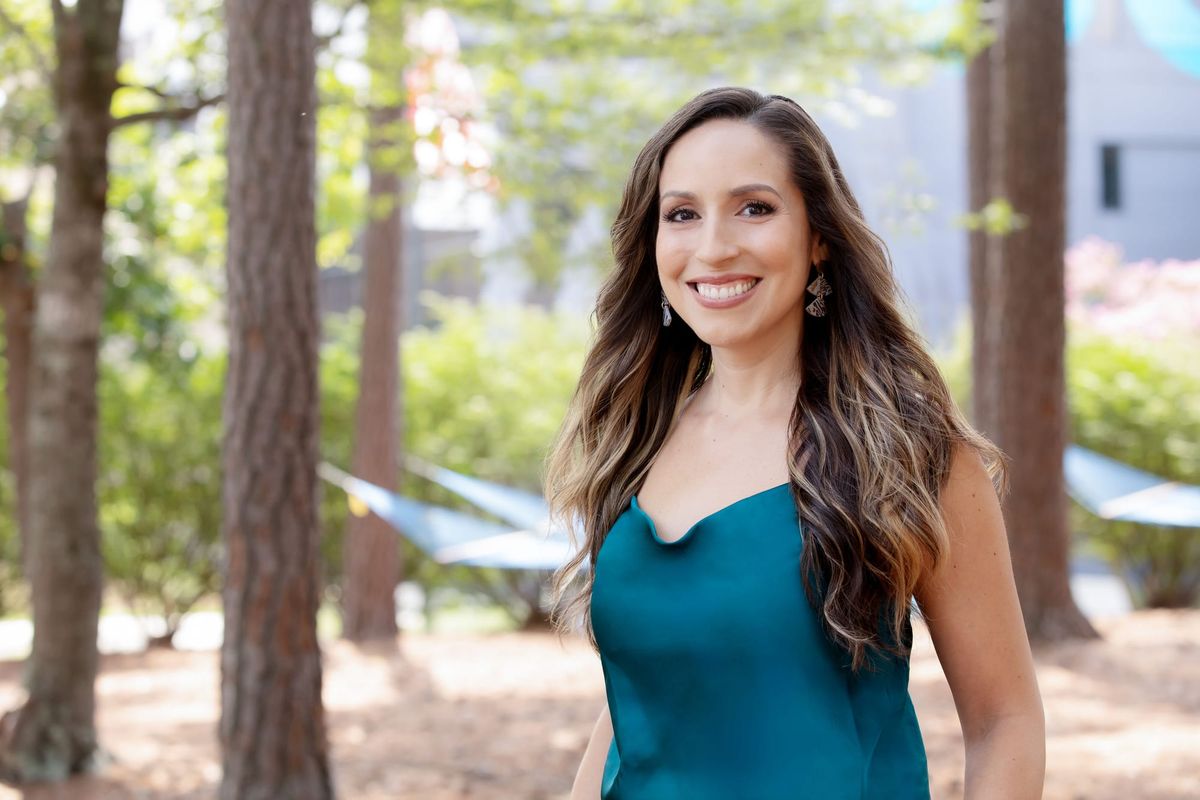
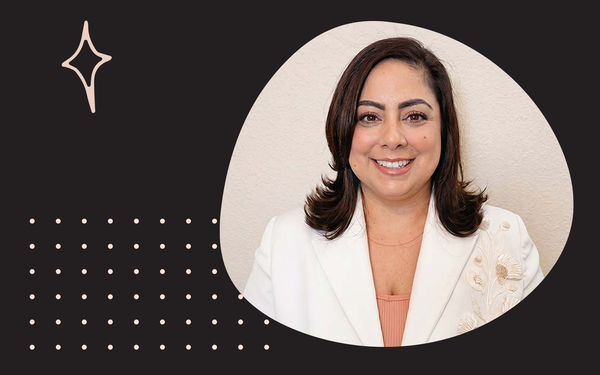
Change is easy to talk about and hard to actually do. That's the gap Dr. Kei Alegria-Flores has spent her career studying - not just why people resist change, but what it actually takes to help them move through it. As the founder of CatalystIQ, she blends behavioral science, implementation science, and organizational strategy to help leaders and organizations turn good intentions into lasting action, especially when the stakes are high and the risks feel very real.
Her approach centers on a simple but often overlooked truth: people don't stall on change because they lack good ideas, they stall because of what they're afraid to lose. Whether it's an organization rolling out AI, a professional stepping into a leadership role, or someone navigating a major career pivot, Kei's work digs into the human side of transformation - what people value, what holds them back, and what conditions actually make progress possible.
Now, she's expanding that work beyond organizations to work directly with high-achieving professionals navigating their own transitions, while continuing to help companies treat AI adoption as a human challenge first, not just a technical one. Below, Kei shares what inspired her to start CatalystIQ, the problem she's built her practice around, and what's next.
This is part of our ongoing 20 Founders On a Mission series. New editions publish regularly. To be featured or nominate a founder, write to us at hi@foundedbywomen.org
Q: What inspired you to start?
Throughout my career, I kept seeing the same pattern: people and organizations often know what they want to change, but struggle with how to actually make that change happen. I’ve spent my career studying human behavior and helping organizations turn evidence, strategy, and good intentions into real-world action. Over time, I realized I wanted to build something that brought together the different parts of my background and experience—behavioral science, implementation science, organizational behavior, communications, and strategy—in a way that was practical and useful. I started my consulting practice to help people and organizations navigate complex change with greater clarity, confidence, and intention, especially when the stakes are high and the risks feel real.
Q: What problem are you solving?
Change is hard, and it becomes even harder when people are worried about what they might lose. Whether someone is considering a major career transition, becoming responsible for leading a team, or an organization is asking its people to adopt AI or a new way of working, uncertainty and perceived risk can stop even good ideas from moving forward. My work focuses on understanding the human side of change: what people value, what they fear, what gets in the way, and what conditions make action possible. I use behavioral science and implementation science to help turn uncertainty into clear decisions, practical action, accountability, and change that lasts.
Q: What’s next for you?
The next chapter of my work is about bringing what I’ve learned from years of advising organizations more directly to individuals. I’m expanding my work with high-achieving professionals who are navigating major career and life transitions, want to become better leaders to their teams, or want to adopt AI with greater confidence and purpose. At the same time, I’m continuing to help organizations approach AI adoption and other major transformations as human challenges, not just technical ones. Ultimately, I want to build a body of work around a question that has shaped my entire career: How do we help people successfully navigate complex change, especially when uncertainty and risk make moving forward difficult?
This is part of our ongoing 20 Founders On a Mission series. New editions publish regularly. To be featured or nominate a founder, write to us at hi@foundedbywomen.org