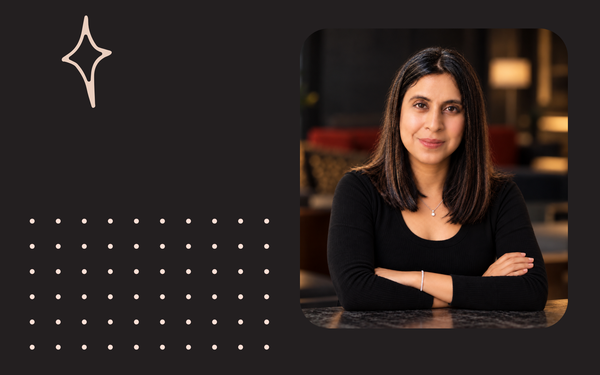
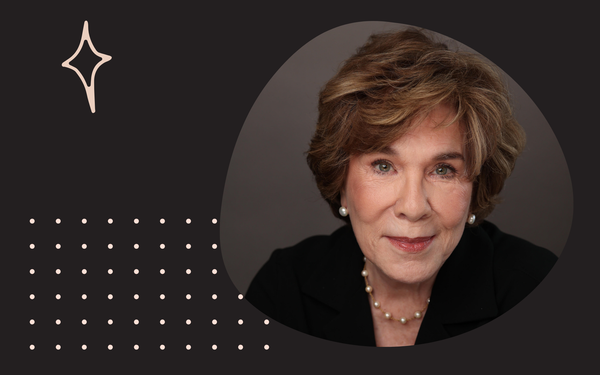
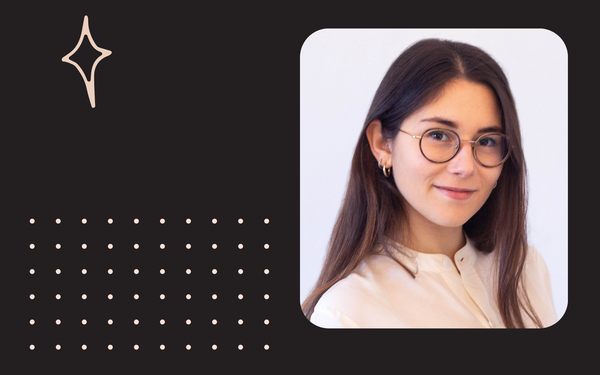
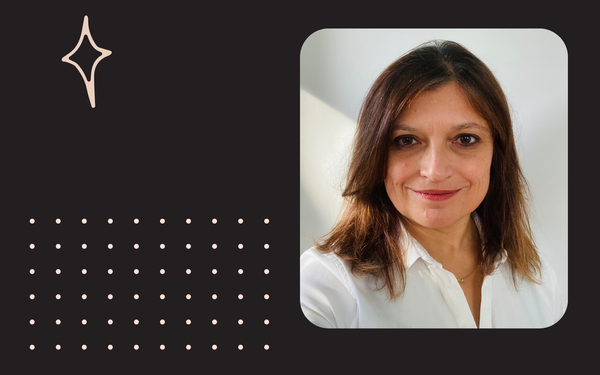
Vanessa Matibag of Outside Lead HR Solutions on Why HR Cannot Wait Until the Team Gets Bigger
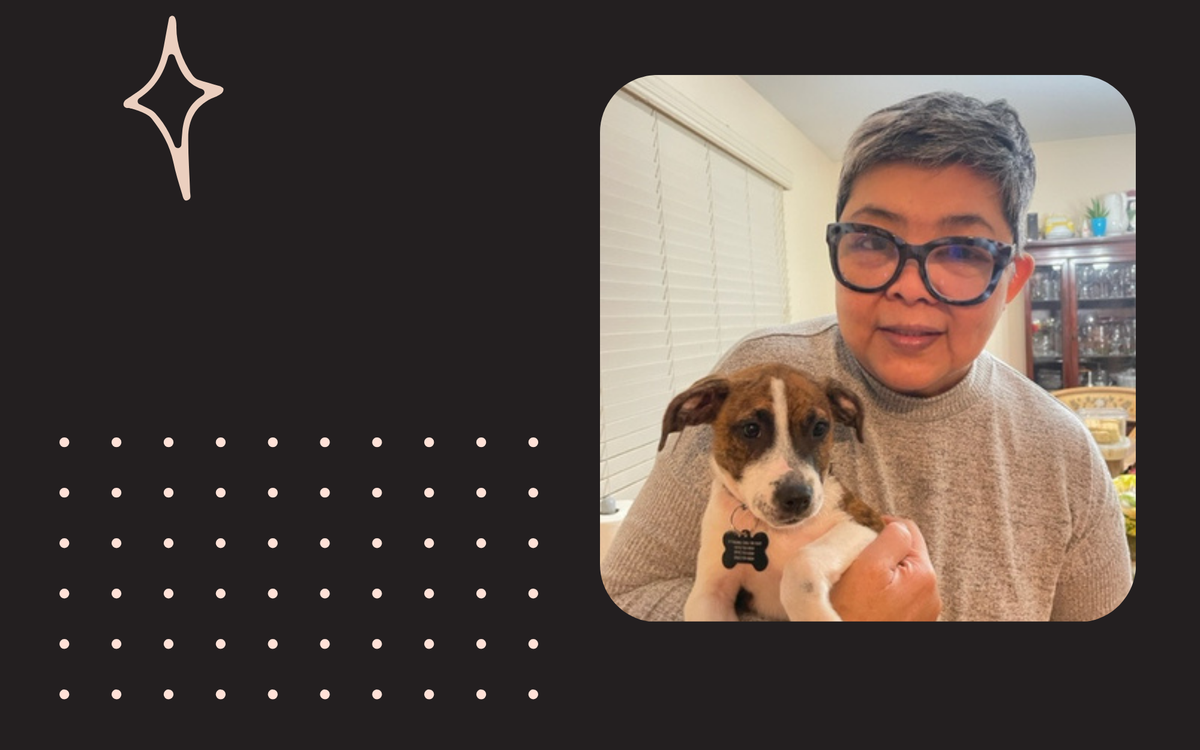
Most founders know they will need HR eventually. Fewer realize that the moment they hire their first employee, they are already making HR decisions. Vanessa Matibag, founder of Outside Lead HR Solutions, has seen how much easier growth becomes when even a basic structure is in place from the start.
Vanessa returns to Founded by Women after her first feature with us, this time as a Q3 2026 FBW Awards Honoree in the Fractional Executive Excellence category. Her work brings experienced HR leadership to nonprofits and mission-driven organizations that need it but cannot yet justify a full-time executive.
In this extended Q&A, Vanessa shares what founders most often get wrong about HR in the early days, how smaller organizations are rethinking people and culture, and what she would tell women considering fractional work.
Know a founder (or are one) doing incredible work? Founded by Women Awards are open for entries. Showcase your story, gain visibility, and connect with a community of leaders. 👉 foundedbywomen.org/awards
Q: What do founders most often get wrong about HR in the early days, and what do you wish they would fix sooner?
One thing I see often is founders putting HR on the back burner, thinking they can address it when the organization gets bigger. I understand why. In the early days, the focus is on building the business, securing funding, and keeping things moving. But the moment you start hiring people, you're already making HR decisions, whether you realize it or not.
What I wish founders would do sooner is establish some basic structure. It doesn't have to be complicated or expensive. Start with clear expectations, consistent policies, and good communication. Think about how you hire, manage, and support your employees.
I've worked with organizations where practices that worked well with a handful of employees became difficult to manage as the team grew. And changing those practices later can be challenging, especially when employees have become accustomed to doing things a certain way.
I always remind leaders that structure and humanity are not mutually exclusive. Clear, consistent HR practices don't make an organization less personal or caring. In fact, they help create a workplace where people know what to expect and feel they're being treated fairly.
Q: How has the way smaller companies think about people and culture changed lately, and where do you see it going?
I think smaller organizations are becoming more aware that a strong mission or a close-knit team doesn't automatically create a healthy workplace culture. This is particularly true in the nonprofit sector, where people are deeply committed to the mission, sometimes at the expense of their own well-being.
I'm seeing more leaders pay attention to the employee experience, from onboarding and support to growth within the organization. There's also a greater understanding that good intentions alone aren't enough. You need policies, practices, and leadership behaviors that support the culture you want to build.
At the same time, smaller organizations are navigating limited resources, changing employee expectations, and increasing demands on their leaders. This is where fractional HR leadership can make a real difference. Organizations can access experienced HR guidance without building a full HR department.
Looking ahead, I hope more leaders will see HR as more than an administrative or compliance function. HR should have a seat at the table when organizations are making decisions about growth, strategy, and their people. After all, an organization's ability to fulfill its mission depends largely on the people doing the work.
Q: What led you to fractional HR work, and what would you tell women thinking about going that route?
My journey into fractional HR wasn't planned. After more than 20 years in HR leadership, I was laid off in 2023. It was a difficult period, but it also gave me an opportunity to think about what I wanted the next chapter of my career to look like.
I knew I wanted to continue doing HR work, particularly with nonprofits and mission-driven organizations. I also knew that many of these organizations needed experienced HR leadership but didn't necessarily have the resources for a full-time executive. That's what led me to establish Outside Lead HR Solutions.
Starting my own business was a leap of faith. I was confident in my HR experience, but being a business owner was an entirely different challenge. I've had to learn how to market my services, build relationships, find clients, and manage the uncertainty that comes with consulting. It's been both rewarding and humbling.
For women considering fractional work, my advice is to recognize the value of your experience. Sometimes we underestimate what we bring to the table because we've been doing the work for so long. But that experience, including the challenges we've faced and the lessons we've learned, is exactly what makes us valuable to organizations.
I'd also encourage women to build a strong network and surround themselves with people who will support them. Fractional work can sometimes feel isolating, and having a community of peers who understand the challenges makes a real difference.
I won't say it's always easy. There are still moments when I question whether I've made the right decision, especially during slower periods. But I remind myself that I started Outside Lead because I believe in the work I do and the difference I can make. I'm still learning and growing as a business owner, and I've come to appreciate that this journey is as much about personal growth as it is about professional success.
Are you a woman leader with an inspiring story? Founded by Women elevates the voices of women making an impact.
Breaking barriers or paving the way for others? We'd love to feature you. Get in touch! 👉 hi@foundedbywomen.org