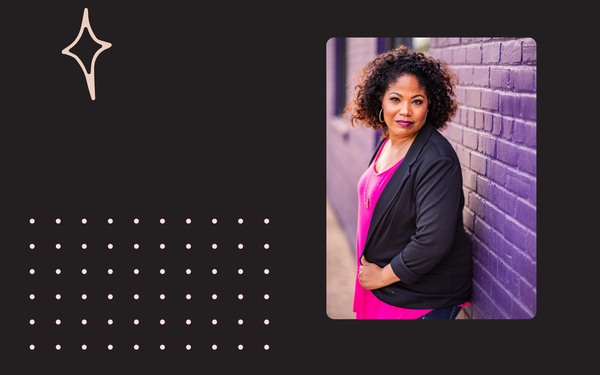
"Publicity Amplifies Clarity - It Doesn't Create It": Yetunde Shorters on Identity Latency, When Founders Are Ready for Visibility, and Building Authentic Authority vs. Performing Expertise

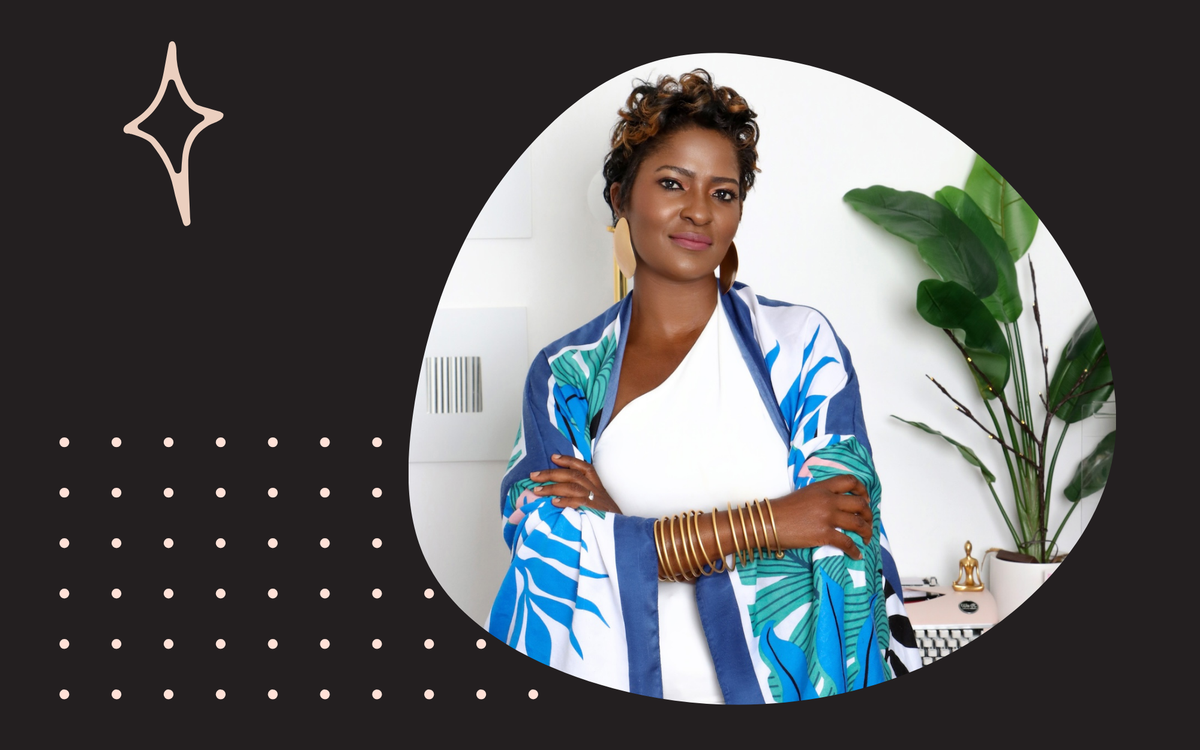
Yetunde Shorters was born in Chicago, raised in Lagos, Nigeria, and graduated college at 20. She built her career as an international publicist working with Grammy, Tony, and MTV Award-winning artists - securing over 1,500 media features reaching 40 million people in outlets including Good Morning America, Essence, Forbes, and CBS News. Then a hospital visit in 2009 due to adrenal fatigue changed everything.
That experience pushed her to fully step into her purpose - and pivot. Today, Yetunde is an NLP Master Practitioner, 4x Amazon bestselling author, and founder of ICY Coaching & Consulting International, where she helps female entrepreneurs achieve what she calls "radical clarity" on their purpose and translate that into positioning, visibility, and profit. She has helped 14 clients become bestselling authors and works with founders, executives, and thought leaders across industries from music to medicine.
Her approach sits at the intersection of neuroscience and brand strategy. Using her proprietary Identity Integration Framework and the concept of "Identity Latency" - the gap between who a founder has already become internally and how they're still showing up externally - Yetunde helps women stop hiding behind their work and start leading with their full story. In this conversation, she shares how to know when you're ready for visibility, what it looks like to outgrow your brand, and why authentic authority and performing expertise are two very different things.
Are you a woman leader with an inspiring journey to tell? Founded by Women is on a mission to elevate and amplify the voices of women making an impact. If you're breaking barriers, driving change, or paving the way for others, we'd love to feature your story. Get in touch with us today - hi@foundedbywomen.org
When Founders Know They're Ready for Visibility vs. Still Hiding Behind Their Work
Q: You work with purpose-driven leaders on what you call "Identity Latency" - closing the gap between who they've become internally and how they're expressing themselves externally. For female founders who feel like they're hiding behind their work, what are the signs that a founder is ready for visibility versus still figuring out their message? How do you help clients recognize when they're holding back versus when they genuinely need more clarity first?
A: One of the most common things I see with purpose-driven founders, especially women, is what I call Identity Latency™. It's the gap between who someone has already become internally and how they're still presenting themselves externally. There's a specific moment I watch for, and it's when someone starts apologizing for who they're becoming instead of celebrating it.
Many founders assume they're hiding because they're not confident enough yet. When the reality is most times the opposite. They've grown, matured, and evolved faster internally than their brand or messaging has caught up.
There are usually four signs that someone is ready for visibility.
- Their work naturally reflects their new perspective and they're not forcing it.
- They feel a quiet frustration with how they're currently being seen.
- They know they are holding back ideas or perspectives because they are not sure how to communicate them yet.
- They can articulate their evolution clearly and without fear of their past. For example, "I used to believe X, now I know Y."
When someone is genuinely not ready, the signal is different. They are still exploring the problem they solve or the impact they want to make, or they keep saying "I should rebrand" but never do.
My role is to help founders and leaders close the Identity Latency™ gap by translating who they have become into language, positioning, and presence. Most founders think they need clarity before visibility. Actually, sometimes visibility creates clarity. But you need enough internal alignment that you're not shape-shifting every time you speak or share your message. Once that alignment happens, visibility stops feeling like exposure and starts feeling like leadership.
How to Identify When You've Outgrown Your Current Brand or Message - and What to Do to Get Ready for PR and Visibility
Q: You've secured 1,500+ publicity features reaching 40M+ people for Grammy, Tony, and MTV Award-winning artists, and now help female entrepreneurs through ICY Coaching & Consulting. For female founders who sense their brand or message no longer fits who they've become, how do you help them identify when they've outgrown their positioning? What's your framework for getting ready for PR and visibility when your old message feels outdated?
A: Outgrowing your brand is actually a healthy, good signal. It usually means your experience, perspective, and sense of purpose have expanded. And expansion means growth. We like growth.
I often tell founders that brands don't become outdated because of the market. They become outdated because the person behind the brand has evolved and forgets to update us on that upgrade on-time.
There are four signs someone has outgrown their message.
- When the work they are known for no longer reflects the depth of what they actually know.
- When opportunities they attract feel misaligned with where they want to go next.
- When explaining what they do begins to feel forced or overly simplified.
- When they see old interviews or features on themselves and feel like it was lifetimes ago.
To become PR-ready after outgrowing your message, first, we do what I call the Identity Integration Framework. We map out who they are NOW, audit the gaps, then intentionally bridge their evolution through their messaging. Openly announcing "this is who I used to be, this is where I am now" and explain why specifically.
We pitch their new Breakout story. How they moved from where they were to where they are, and why that journey matters for their audience. Media loves transformation stories, especially when the leader owns their growth instead of apologizing for it.
The key is communicating evolution as strength, not inconsistency.
We identify:
- who they have become
- the problem they are uniquely positioned to solve
- the perspective that only they can bring to the conversation
Publicity amplifies clarity. It doesn't create it. Once someone's identity, message, and positioning are aligned, PR becomes far more powerful because the story being shared is grounded in truth rather than performance.
Building Authentic Authority vs. Performing Expertise
Q: You're a 4x Amazon bestselling author, NLP Master Practitioner, and have helped 14 clients become bestselling authors. For female entrepreneurs trying to build thought leadership, what's the difference between building authentic authority versus performing expertise? How do you help clients communicate in a way that feels true to who they are versus what they think they're "supposed" to say?
A: Authentic authority is built from lived experience and conviction. Performing expertise usually comes from trying to match what other people or your industry expects.
The difference is subtle but powerful.
Here are 3 signs you may be performing:
- Using industry jargon to sound credible
- Avoiding contrarian viewpoints to stay safe
- Copying successful people's language
When someone is performing expertise, their messaging often sounds technically correct but emotionally disconnected. They repeat ideas they've heard in their industry rather than expressing what they genuinely believe.
Authentic authority feels different. It has a point of view. It has language that reflects personal experience. And it communicates ideas in a way that makes people feel seen and understood.
With my clients, I help them identify their core subconscious values, beliefs, insights, and patterns that have shown up from their life's journey. Those insights become the foundation of their Thought Leadership.
When a founder stops trying to sound impressive and starts speaking from clarity and conviction, their authority becomes magnetic. People trust it because it feels real. That's when visibility stops being a performance and becomes an extension of who they actually are. Performing expertise is exhausting because you're constantly trying to sound like someone else's version of an expert. Authentic authority comes from owning your specific angle on universal truths no matter how simple you think it may be.
Are you a woman leader with an inspiring journey to tell? Founded by Women is on a mission to elevate and amplify the voices of women making an impact.
If you’re breaking barriers, driving change, or paving the way for others, we’d love to feature your story. Get in touch with us today!
👉 hi@foundedbywomen.org