Leading with Purpose: Cadence Willis on Strategic Philanthropy and Creating Sustainable Impact

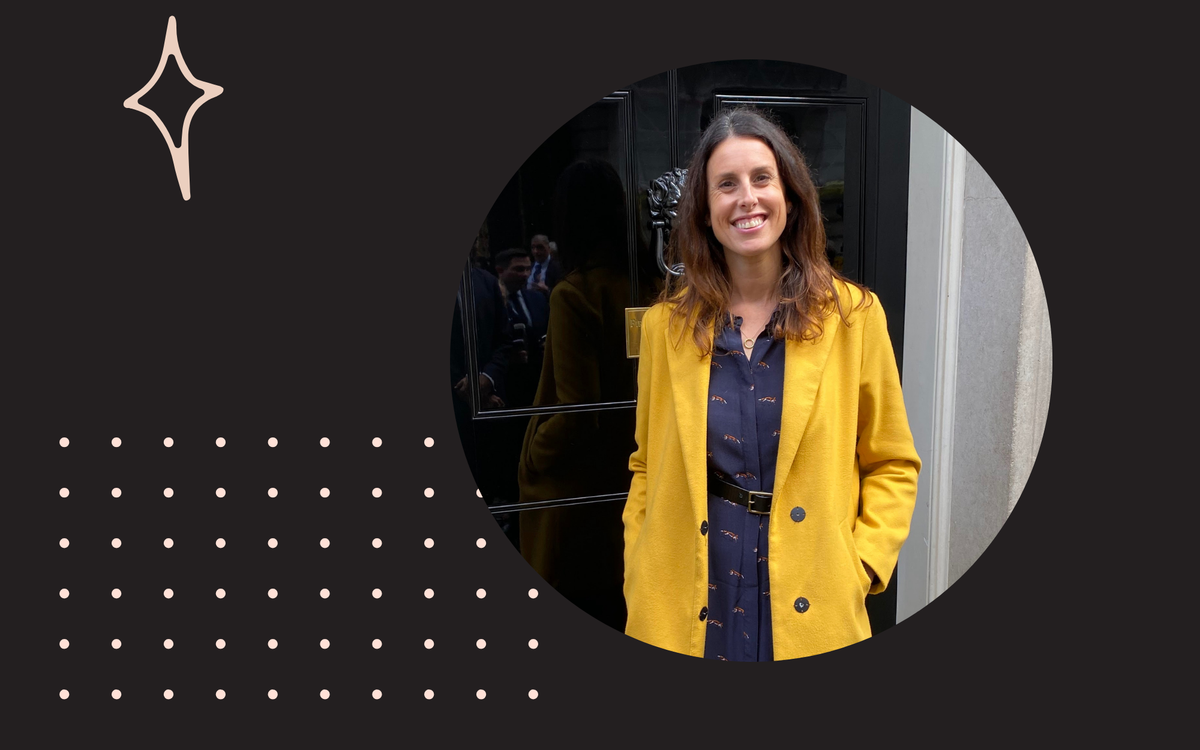
In our ongoing series celebrating women leaders shaping the impact landscape, we sit down with Cadence Willis, Acting Executive Director of the Permira Foundation. With nearly two decades of corporate affairs experience before transitioning into philanthropy, Cadence brings a unique perspective to strategic giving and social impact leadership.
At the Permira Foundation, Cadence leads efforts to scale high-potential non-profits and social enterprises addressing systemic challenges in education, employment, and health. She also serves on multiple boards including Girl Code, Zurich Community Trust, and the Collinson Group, giving her a comprehensive view of the evolving social impact ecosystem.
Her approach to philanthropic leadership is grounded in the belief that funders should act as enablers rather than experts—unlocking resources and networks while allowing community-embedded partners to lead the change. In this conversation, Cadence shares insights on the evolution of corporate philanthropy, the power of blending commercial thinking with social impact, and why the future of systemic change lies in collaborative, community-centered approaches.
1. You’re currently Acting Executive Director of the Permira Foundation and sit on a number of boards in the social impact space. What does your work involve, and what drives your approach to philanthropic leadership?
At the Permira Foundation, I’m currently leading our work to scale the impact of high-potential non-profits and social enterprises tackling systemic issues in education, employment, and mental and physical health. We focus on long-term partnerships with organisations that are evidence-based, scalable, and deeply embedded in the communities they serve.
I also contribute to the sector through non-executive and advisory board roles with organisations such as Girl Code, Zurich Community Trust and the Collinson Group. These positions broaden my perspective on different models for delivering impact and keep me connected to what is an evolving and complex landscape.
What drives me is the opportunity to help drive sustainable outcomes for the most vulnerable in our communities. For me, philanthropic leadership is about listening, acting strategically, and staying grounded in the realities of the people we’re trying to serve. We’re not the experts — our partners are. Our job is to unlock the funding, networks, and support that allow them to lead the change.
2. You spent nearly two decades in corporate affairs before transitioning into philanthropy. How did that shift shape your leadership, and what advice would you give to others looking to make a similar move?
Moving into philanthropy felt like a natural next step. I’d spent years building strategy, navigating complex stakeholder environments, and aligning interests across global organisations—but I wanted to channel that experience toward something more directly impactful.
That transition has made me a more reflective leader. It’s also reinforced my belief in the power of language and storytelling—being able to translate between the business world, governments and the social impact space is critical to building influence, aligning interests, and unlocking funding.
My advice to anyone considering this move? Your background is your superpower—don’t underestimate it. But be ready for a steep learning curve. Purpose-led work often plays out against a shifting political and social backdrop, where policy changes can impact charities overnight. The most effective leaders stay connected to local issues, listen closely to those on the ground, and surround themselves with people who challenge their thinking. This work demands both prioritisation and compassion—and a willingness to keep learning and flexing your approach.
3. What trends are shaping the future of corporate philanthropy?
Corporate philanthropy is shifting—from one-off donations to strategic, long-term engagement. The most effective foundations now see their role as far more than funders: they’re convenors, enablers, and collaborators.
We’re seeing growing interest in models that blend philanthropic capital with commercial thinking—supporting organisations not just to survive but to scale. At the same time, there’s a push for more transparent, participatory approaches to giving that centre the voices of those with lived experience.
At the Permira Foundation for example, we’re building long-term relationships with our partners, collaborating with other funders, and exploring ways to simplify how funding is accessed and used. Just as importantly, we’re looking beyond financial support—recognising that pro bono expertise and skills-based volunteering, when done well, can be transformational. Internally, we’re focused on embedding purpose as a shared responsibility across the firm, not just a side project—creating meaningful opportunities for colleagues to contribute their time, talents, and insights to drive impact.
In the next five to ten years, I believe (and we are starting to see some green shoots) we’ll see a more blended approach to tackling systemic issues—where corporate funders, government, and philanthropy come together more intentionally to align efforts and pool resources. This will require a fundamental rethink of how we fund, collaborate, and measure success—moving away from siloed, institutional approaches and toward models that put people and communities at the centre.
Are you a woman leader with an inspiring journey to tell? Founded by Women is on a mission to elevate and amplify the voices of women making an impact.
If you're breaking barriers, driving change, or paving the way for others, we’d love to feature your story. Get in touch with us today!
👉 hi@foundedbywomen.org