"I Knew How Hard I Worked, and I Wanted to Pour That Into Something of My Own": Ashley White on Leaving Atlantic Records, Founding AWPR, and Why Caring Is the Most Underrated Skill in Music PR
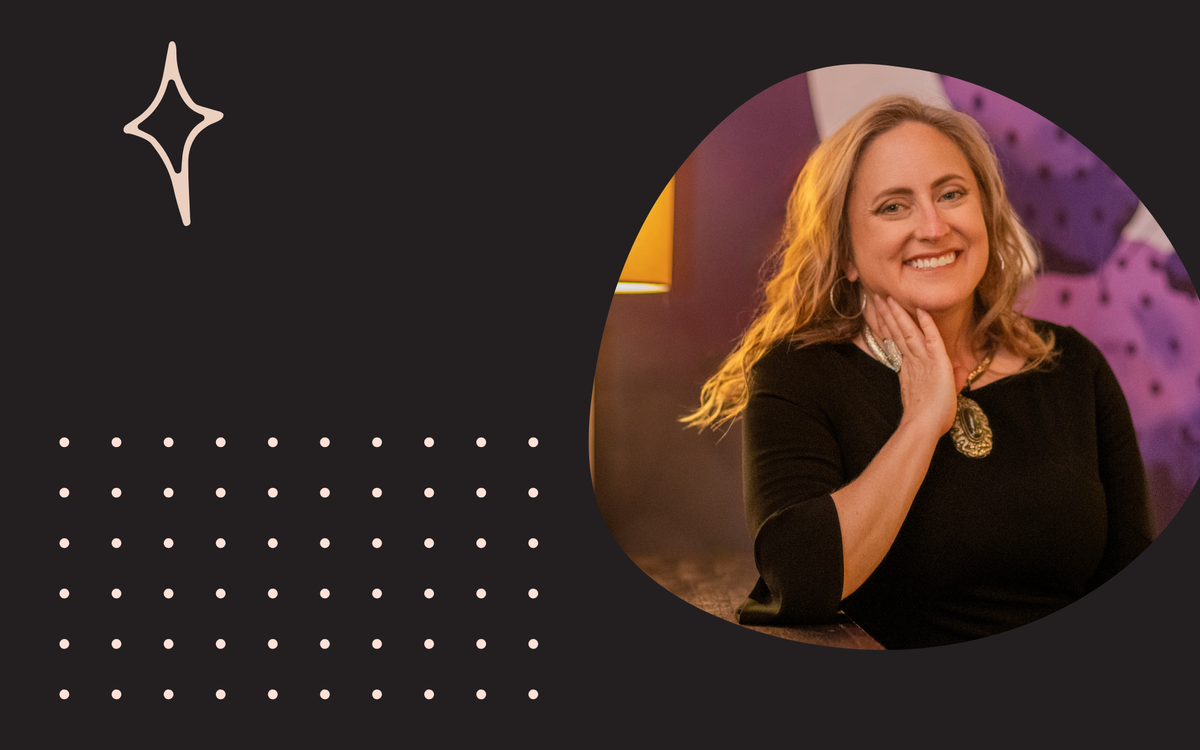
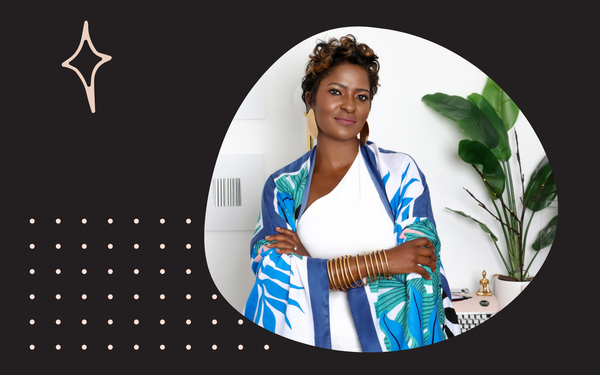
Ashley White spent 15 years at Atlantic Records - 11 in New York City and four working remotely from Austin, Texas, where she had moved to give her kids a different way of life. That remote chapter, which predated COVID by years, taught her something important: she could do this job from anywhere. Atlantic gave her the space to prove it. And when a layoff eventually came, she was ready.
"I knew how hard I worked," she says, "and I wanted to pour that work into something of my own. It didn't feel right to ask permission from someone to go pick up my kids from school at this point in my career."
She founded Ashley White Public Relations in Austin - a boutique firm rooted in the belief that the best PR isn't only about generating coverage, it's about deepening the relationship between creators and their audiences. The clients she'd spent years earning the trust of became her first believers. Halestorm, whose lead singer Lzzy Hale Ashley describes as "always inspiring and empowering to women," was her first client. Jason Mraz followed. Both are still with her today, a testament to her priority of long-term, deep partnerships fueled by trust.
In addition to the clients who followed her from Atlantic, since starting AWPR Ashley has partnered with Neon Trees, Lady Blackbird, The Script, and Disney Concerts among others. Her clients have earned GRAMMY Awards, been featured in Rolling Stone, and appeared on everything from American Idol to NPR. And Austin Woman magazine named her a 2024 Changemaker - the same year she became inaugural Co-Chair of Women in Music's Austin chapter.
What sets her apart, according to the people she works with, is simple: she cares. Deeply. Growing up in New Orleans as the daughter of two musicians, she saw firsthand what it costs artists to put themselves out there - and built her entire practice around honoring that. In this conversation, Ashley shares what it took to take the leap, how she thinks about authentic storytelling in an era of noise, and why the artists she grew up around shaped everything about how she shows up for her clients.
Know a woman leader who belongs in this series? Reach out at hi@foundedbywomen.org
From 15 Years at Atlantic Records to Founding Your Own Boutique Agency - What Made You Go Independent in 2018
You spent 15 years at Atlantic Records - first in New York, then remotely from Austin - boosting the careers of artists like Jason Mraz, Vance Joy, and Halestorm. In 2018, you founded Ashley White Public Relations. For female founders considering leaving corporate roles to start their own agencies, what made you decide to go independent? How did longtime collaborators like Halestorm and Jason Mraz come with you? What's your advice for building a boutique agency while competing with the resources and budgets of major labels?
I started Ashley White Public Relations after I was laid off from Atlantic Records. I don't know if I would have taken the leap without a little push, but in retrospect, it forced me to get real about a dream that seemed far away. I knew how hard I worked, and I knew that I wanted to pour that work into something of my own. It didn't feel right to ask permission from someone to go pick up my kids from school at this point in my career. I wanted flexibility to be present for my family.
Halestorm validated the idea when I was considering it. They had a new album coming out, and when I mentioned that I was considering taking the leap, they assured me that they would be my first client. They were the first band I was assigned at Atlantic when I was promoted to lead my own projects, and the first client to sign with AWPR. Working with them has always been very rewarding, as the band is immensely talented, and Lzzy Hale is and always has been so inspiring and empowering to women. I don't take that partnership for granted.
Jason is another artist who I've always felt so grateful to serve and who brings so much earnestness and thoughtfulness to everything he does. I don't think there's any real "convincing" these artists - there wasn't a secret plan to bring them over. It was years and years of earning their trust by working hard for them and being transparent every step of the way. And that's a responsibility that I carry over to my new clients - if they are entrusting me, it's my privilege and my duty to be a true partner, working tirelessly and collaborating with them and their teams to help them reach their goals.
"Changing the World One Story at a Time" - Your Framework for Authentic Storytelling vs. Generic Music PR
You've said your clients are "musicians, authors and creators who document the human experience, shape conversations and spark movements." Your clients say things like "she goes above and beyond" and "her dedication to understanding an artist's story is what truly sets her apart." For female founders in creative industries, what's the difference between PR that builds genuine fan relationships versus PR that's just noise? How do you help artists figure out what their authentic story actually is? What makes a campaign resonate emotionally versus just generate coverage that doesn't matter?
I see my role as deepening the relationship fans have with creators. There's no direct ROI - you (usually) can't draw a line from press to increased streams or ticket sales. But when you hear something on a Spotify playlist that moves you or discover someone on TikTok who grabs your attention, you want to know more. You find and read stories about the person who created them - that's where PR comes in. Or if you're listening to your favorite podcast, and an artist you don't know tells a personal story of grief or of love or makes you laugh, and it prompts you to look them up to hear what they've created - that is the effect of PR.
And it's not only humans finding and consuming these stories to have a better idea of who these creators are: we live in an age where AI provides fans a fuller picture of who artists are based on their media placements. Because AI weights earned media more than the content that appears on their social profiles, we're entering into a new era where an artist's public profile is even more dependent on the stories that they share in major media outlets.
My goal with all of my artists is to give fans, casual or devoted, a glimpse into why this person creates. What moves them, what motivates them, what keeps them up, and what gets them out of bed. There is so much noise in the pop culture and media landscapes, but ultimately, every person is looking to connect with someone else that they can relate to. That is an instinctive human desire. And when artists share their stories and connect on a personal level, that is an emotional connection that runs deep for fans.
Growing Up in New Orleans as the Daughter of Two Musicians - How Your Background Shapes Your Approach to Artist PR
You grew up in New Orleans immersed in music as the daughter of two musicians. For female entrepreneurs building businesses in industries they grew up around, how has your musical background shaped your approach to working with artists? What do you understand about "the beauty and vulnerability of artistic expression" that publicists without that background miss? How do you balance protecting artists' creative vision while also pushing them to take PR opportunities that feel uncomfortable?
My parents are really the reason I chose to become a publicist and not a journalist. I saw them get beat down time and time again while they were creating and trying to make a living. I always loved writing, but I wanted a career where I partnered with artists and advocated for them. I've been told before that people hire me because I "care." And I do. When I want to give up on a day of all nos, I keep going because I owe it to the client to stay persistent. I've seen what they've been through, and how many times they've faced rejection, and I need to honor that by not giving up on my small part.
I rarely purposely put my clients in spaces where they are uncomfortable. However, there are times that I believe that by being vulnerable or by saying yes to an opportunity, they are going to tell a story that someone needs to hear or to inspire someone - then I feel like it's my duty to convey that. Or there are opportunities that might not be ideal, but are a stepping stone to a larger goal. Those are also times when I believe sharing my insight is necessary and worthwhile.
The bottom line is that when your relationship is based on trust, you can be vulnerable with each other and have hard discussions. But that is where growth happens for everyone - stepping outside your comfort zone and taking thoughtful leaps into unfamiliar territory.
Are you a woman leader with a story to tell? We'd love to feature you. Get in touch at hi@foundedbywomen.org