"I Built Everything From Scratch, With Zero Connections": Mara Cracaleanu on Founding Melancholia Pictures at 24, Breaking Into International Film, and Why You Don't Need Permission to Build Globally
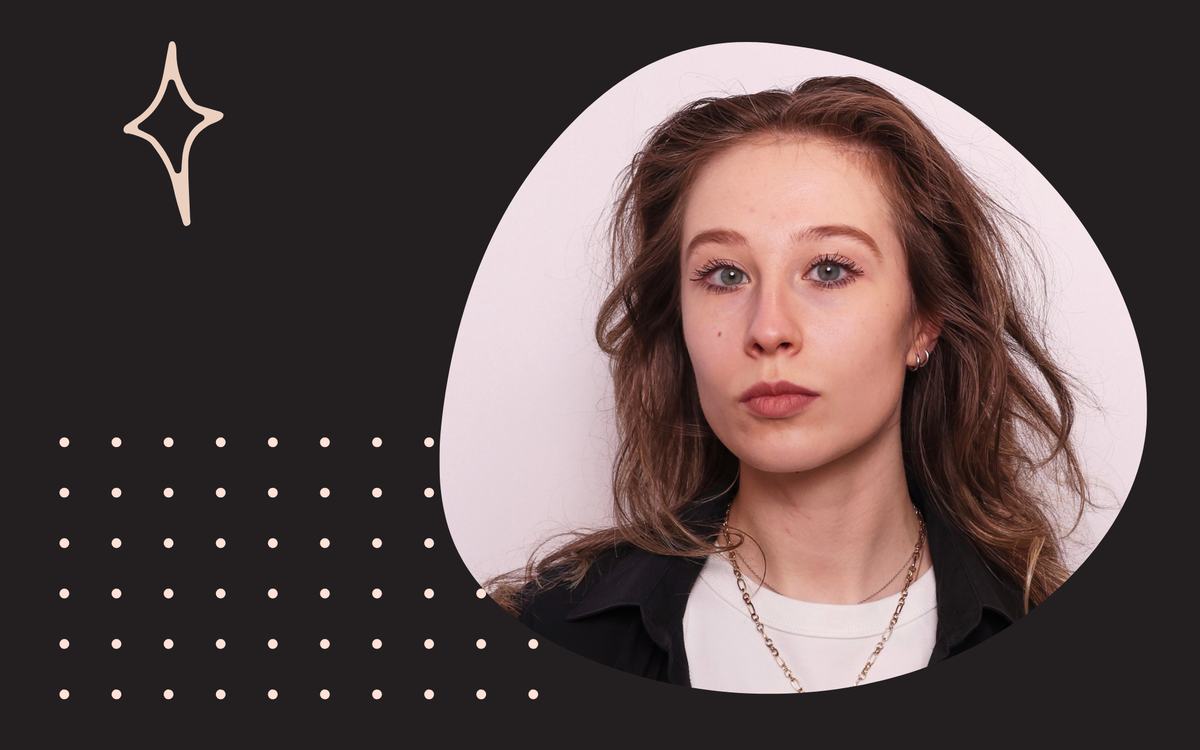
Mara Cracaleanu founded her first company while still at university - in her room, in a country where she knew no one. By 24, she had built two companies from the ground up and was developing internationally oriented film and television projects with collaborators across London, Milan, New York, and Los Angeles.
Today, she is the founder and producer at Melancholia Pictures, a UK and Romania-based production company focused on independent films and international co-productions. Her work has earned over 70 awards and selections at some of the most competitive festivals in the world - including TIFF, BFI Flare, Torino Film Festival, FIPADOC, and Rhode Island International Film Festival. She won the Council of Europe Series Co-Development Award for her docu-series project, which she is now developing in collaboration with HBO alongside a slate of 5+ feature films and series.
She regularly participates in major film markets and festivals including Cannes, Berlinale, and Venice, and has received mentorship from Netflix and HBO executives through the Film London Connect program. She holds diplomas in Law and Leadership from Harvard, and is a member of Women in Film & TV UK and Women in Film Los Angeles.
Mara built all of this without a roadmap, without connections, and without waiting until she felt ready. In this conversation, she shares what building a global production company actually looks like day to day, what moves the needle in independent film, and what first-time producers consistently get wrong about the business side of filmmaking.
Know a woman leader who belongs in this series? Reach out at hi@foundedbywomen.org
Q: You built Melancholia Pictures across two countries and multiple continents at 24, developing co-productions with collaborators in London, Milan, New York, and LA. For female founders building internationally from day one - what does that actually look like operationally? How do you finance, pitch, and manage projects across borders when you're still early in your career, and what's your advice for women who want to build global businesses without waiting until they feel "ready"?
A: It’s a bit of a nightmare. It’s a mix of laughter and tears as I’m saying this. It can sound very high-level from the outside, but in reality it’s many hours of work, sleepless nights, days full of meetings, and others when you feel like nothing is moving. It’s constant networking, planning, organising, scheduling, multitasking, coordinating - especially when working on international co-productions, where time differences mean waking up at 5am or taking calls late in the evening.
Within the company, it’s myself, and I’m very lucky to have three other partners, one based in New York. We’re pushing from different directions, expanding our network and bringing in new collaborators. But as the founder and managing director, all operations and decisions come through me, which makes the workload heavier, especially with a branch in Romania that I’m also responsible for. Some days I focus on the UK, other days on Romania. Multitasking is essential - you have to make sense of all the open tabs in front of you and find a way to close them.
Financing is always the most challenging part, and like many in the independent film sector right now, I’m navigating that struggle. I try to think outside the box, reaching out to places that wouldn’t be considered a “traditional” route. And I’m still learning. There’s always more to absorb, it never feels like enough for me.
I’m very proud of how we pitch and package our projects. We look for bold, original concepts and aim to hit that “sweet spot” - something that doesn’t yet exist in the market, that gap. We keep things sharp, clear, and concise, constantly refining how we present ourselves to stand out. And I’m still finding my voice, and that’s the beauty of it. You try, fail, get back up, shift direction, and keep going. You have to believe in what you’re building.
My advice to women building global businesses: don’t wait for permission. Focus on what you do best, find your passion, and build relentlessly. You have to believe in it before anyone else will. Even if your idea doesn’t feel “revolutionary,” it’s still valid and capable of creating change.
I built everything from scratch, with zero connections. I moved to a new country without knowing anyone. I founded the UK company in my room while still at university, with nothing but an idea - just passion and a drive I couldn’t silence.
Q: Independent film is notoriously difficult to break into, and yet your projects have screened at TIFF, BFI Flare, Torino, and FIPADOC, and you're now developing a docu-series with HBO. What actually moves the needle - festivals, co-production labs, markets, or relationships? And how did you get in the room with the right people before you had the track record to back it up?
A: By believing in your project. That’s the first thing you have to do. As a producer, you have to be the driving force behind your projects and map out a way to give them a platform and a voice. And of course, relationships - who you know, who you meet, and who you build a bond with - can make a difference. I’ve managed to acquire these skills and access certain opportunities because of the connections I’ve built.
It’s a mix of things - attending festivals and markets definitely helps (going to Cannes, Berlinale, Venice, as well as smaller ones, helped me a lot. I’ve gathered friends, a network of people I still keep in touch with every year, and built a “little family”). But equally important is to think strategically - to submit to labs and markets where the project is a good fit. The docu-series I’m developing now, and the collaboration with various streamers, started from submitting it to a specialised lab. That’s where you have the chance to network meaningfully, have industry mentors, and one-on-one discussions, as well as dissect every part of the project, what’s working, what’s not. Feedback is great, you need that, but only up to a certain point. You have to stand up for what you believe in and keep developing your idea until it finds the right collaborators and the right place in the market. Then the right people will follow.
I’ve knocked on many doors before someone opened one. And the battle is far from being over, it’s constant, you need to push, push, push. Sometimes it’s daunting to be a young woman in a room full of older people, the decision-makers, the “dinosaurs” as we call them. But it’s important to remember that you have as much power as they do. Age doesn’t matter. If you have something to say and show, that’s all that’s needed. People might not look at you first, but if you show courage, determination, and never take no for an answer, you’ll get there eventually.
Q: You've built a production company while navigating a male-dominated industry as a young female founder. What have you learned about protecting yourself legally and commercially - and what do most first-time producers get wrong about the business side of filmmaking?
A: As a young female founder in a room full of suits, it’s easy to feel misunderstood and looked down upon. But never let your light diminish, you’re bringing something equally important as those around you, if not even more. You belong in that room.
It’s all about negotiation and doing your homework. This industry, and relationships in general - in business and in creation - are all about negotiation and open discussion. I’ve found it’s always better to say things upfront and make sure you’re on the same page with your producing or creative partners before you realise it’s not working.
I say homework because you’ve got to be prepared before you enter any room. You have to know what you’re doing, what you’re saying, who you’re talking to - you need to be ready and understand almost everything about the people you’re speaking with (yes, it involves a bit of stalking too).
Especially as a first-time producer, you need at least a foundational understanding of the legal and business side. It’s non-negotiable. You have to know how these things work before you start negotiating a deal, talking about your idea, or developing your IP and slate. This is where I think some producers fail. Producing is not just about the creative side, it’s many things. Sometimes you have to act as a lawyer, some days as someone with an analytical, strategic, problem-solving mindset, and other days as a creative supervisor - you will wear many hats. There’s not one single book in this world about how to produce - no one can teach you that. You have to be aware, careful, informed, read and watch a lot, and teach yourself, it’s a constant learning process. Over the years, I’ve devoured books, articles, newspapers, magazines - everything I could get my hands on. This gave me, at least, a theoretical understanding of the nucleus of what lies behind the title of “producer” or “founder” of a creative business.
Another important aspect is attending workshops, webinars, and specialised industry training programmes. These are essential for any producer because they cover what film school often doesn’t. We need more hands-on training and experience - these are the most valuable. You learn from your own experiences and mistakes. That’s what I’ve done so far. I always say I’m self-taught - but never in isolation, always shaped by the people I work with and the world around me.
Are you a woman leader with a story to tell? We'd love to feature you. Get in touch at hi@foundedbywomen.org