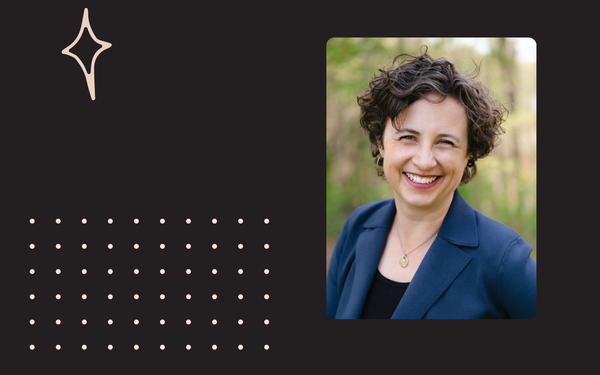
From the Only Woman in the Room to Leading a Movement: Drenusha Salihu on Building Women4Cyber Kosovo and Redefining Cyber Security
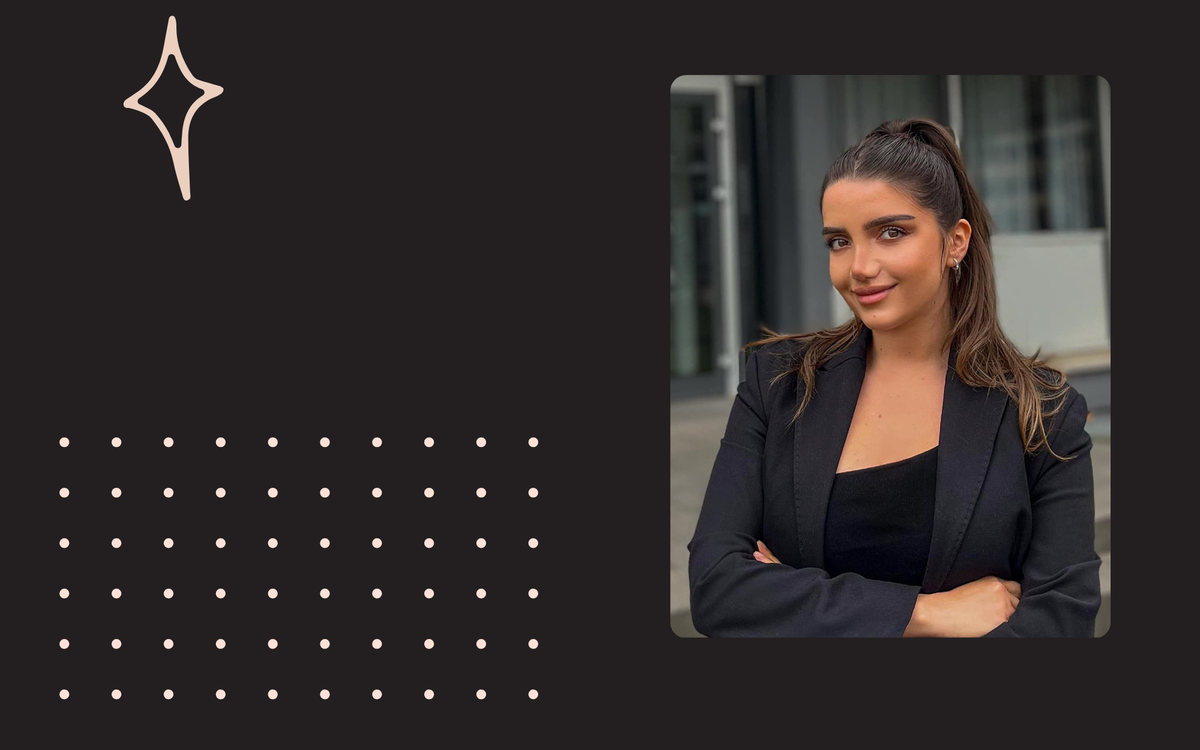
For years, Drenusha Salihu adapted to being the only woman in technical IT environments—accepting it as simply "part of the territory" in a male-dominated field. But when she began actively pursuing a career in cybersecurity, the pattern became impossible to ignore. At nearly every training, she was one of maybe two women in the room. More troubling than the numbers was the silence around it: no one questioned the imbalance. It was just accepted as normal.
That moment of insight, disturbing yet pivotal, served as the trigger for Drenusha's subsequent action. In 2020, she established Women4Cyber Kosovo, making her the youngest leader to create a national chapter in the European Women4Cyber Foundation network. What started as a challenge against the hidden structures driving women away from advanced tech positions has now transformed into a flourishing community of over 500 women, providing practical education in ethical hacking, penetration testing, governance, risk and compliance (GRC), and leading-edge cybersecurity fields.
Through her work as a cybersecurity specialist and across multiple technical roles, Drenusha saw the problem up close. Cybersecurity was never "too complex" for women but access was uneven, confidence was eroded early, and opportunities were rarely distributed equally. Women4Cyber Kosovo emerged from that insight, taking shape during her cybersecurity training at Cyber Academy, where the idea was sharpened with the support of a mentor who recognized not only her technical ability, but her capacity to lead and build something larger.
The journey from isolation to community-building came with challenges beyond limited resources. There was widespread skepticism—both about the need for such an initiative and about Drenusha's credibility as a young woman leading it. In an industry where authority is often tied to age and gender, earning trust required consistently demonstrating both technical expertise and strategic vision.
But Women4Cyber Kosovo focused on substance over symbolism, centering its work on skills development, mentorship, and partnerships with industry and institutions. The goal was never to create separate spaces between genders—it was to ensure women could enter cybersecurity, thrive within it, and lead it.
Today, as Europe's youngest country, Kosovo stands recognized alongside well-established European nations in the Women4Cyber Foundation network. The organization has become more than a platform—it's a spark igniting curiosity, confidence, and the belief that cybersecurity's future is inclusive, diverse, and shaped by anyone willing to step forward. Women in Kosovo are entering the field through unconventional routes (private universities, certifications, self-directed learning), emerging early as visible leaders and pioneers despite the lack of specialized bachelor's programs in cybersecurity at state universities.
From "Only Woman in the Room" to Building Kosovo's First Women in Cybersecurity Organization
You founded Women4Cyber Kosovo in 2020 after frequently finding yourself as the only woman in rooms full of technical men and experiencing challenges from being underestimated to navigating gender biases. What was the specific moment or experience that made you realize you needed to create this platform? How did you go from feeling isolated to building a community of 500+ women, and what were the biggest obstacles in establishing Kosovo's first organization dedicated to women in cybersecurity?
Before cybersecurity, I had already spent few years working in IT. Being one of the only women in those technical environments felt pretty normal for me. I adapted, found my voice, and worked hard to show what I could do. At first, I didn't really think of it as an issue, it was just part of the territory in a male-dominated field.
That perspective changed when I began actively pursuing a career in cybersecurity. At nearly every training I attended, I once again found myself as the only woman in the room, occasionally there were two. What stood out was not just the numbers, but the silence around it. No one questioned the imbalance, it was simply accepted as normal. Over time, the repetition became impossible to ignore. What I had once dismissed as coincidence revealed itself as a structural pattern. One that quietly filtered out women long before they reached advanced technical spaces.
The realization was uncomfortable, but it was also clarifying. Once I started to do more research on this topic I began to notice how many capable women never entered cybersecurity at all, and how many left early, not because they lacked skill, but because they lacked support, visibility, and a sense of belonging.
Women4Cyber Kosovo was born from that understanding. The idea took shape during my cybersecurity training in Cyber Academy where with the guidance of a mentor who believed in both the technical and leadership potential behind the idea, I chose to turn a personal challenge into a platform for change. Moving from isolation to building a community of more than 500 women started with small, intentional steps like friendly conversations, informal meetups, and creating safe spaces where women could ask questions, share experiences, and envision themselves in cybersecurity roles. What I realized was a powerful truth: the talent was always there, but the pathways were not.
Establishing Kosovo's first organization dedicated to women in cybersecurity of course came with challenges. Beyond limited resources, there was widespread skepticism, both about the need for such an initiative and about my credibility as a young woman leading it. In an industry where authority is often tied to age and gender, earning trust required consistently demonstrating both technical expertise and strategic vision.
What allowed us to grow was the focus on substance over symbolism. We centered our work on skills development, mentorship, and partnerships with industry and institutions. This was never about creating separate spaces or walls between genders, it was and is about ensuring women could enter the field, thrive within it, and lead it.
Today, it's inspiring to see young girls, women, and even older women taking their first steps into cybersecurity. Women4Cyber Kosovo has become more than an organization. It's a spark, igniting curiosity, confidence, and the belief that the future of cybersecurity is inclusive, diverse, and shaped by anyone willing to step forward.
Scaling Impact Across Europe and Beyond
Women4Cyber Kosovo is now part of the broader European Women4Cyber Foundation network, working alongside established chapters across Europe. How did you connect with the international Women4Cyber movement, and what unique challenges do women face in Kosovo's cybersecurity sector compared to other European countries? How do you balance addressing local needs while participating in pan-European initiatives and conferences?
Prior to engaging with Women4Cyber, I was already operating at a global level as a technical content writer for a U.S.-based international organization dedicated to women in cybersecurity. At that time, the European ecosystem was still fragmented, there was no consolidated EU-wide platform exclusively focused on advancing women in cybersecurity. Women4Cyber itself was only just beginning to take shape under the umbrella of the European Cyber Security Organisation (ECSO).
When I found out about the formation, I immediately reached out to the Women4Cyber leadership to see what it would take to get a national chapter going. For me, it wasn't just about making our voices heard, it was really important that we were included in the conversation from the get-go. As Europe's youngest country, Kosovo needed a seat at the table right from the start. Now, seeing Kosovo recognized alongside those well-established European nations in the Women4Cyber Foundation network makes me incredibly proud, both for my career and for my country.
Women in Kosovo's cybersecurity sector face many of the same challenges encountered by women globally, including underrepresentation, limited visibility, and uneven access to leadership opportunities. However, these challenges intersect in Kosovo with a unique combination of structural, cultural, and economic factors.
Here, numerous women pursue careers in cybersecurity via unconventional routes, as state universities have yet to launch specialized bachelor's degree programs in cybersecurity. Consequently, women frequently depend on private universities, trainings, self-paid certifications, or informal learning paths. All of these are methods that demand significant personal initiative and determination. As the local market is relatively small, the number of senior female role models is still growing. At the same time, this created meaningful opportunities for women to emerge early as visible leaders, mentors, and pioneers within the sector.
People still tend to see STEM and cybersecurity as fields dominated by men, and that's a tough hurdle to overcome. But in Kosovo, things are starting to change. We're seeing more and more women joining the IT sector, which is pretty encouraging. It's becoming a lot more common to spot women in different IT and security roles. However, there's still a noticeable gap when it comes to technical jobs and leadership positions, women are still not represented enough in those areas. On the bright side, their presence is definitely shaking things up in the cybersecurity world. More women are stepping up with solid technical skills, taking charge in leadership roles, and really making a mark on how this field develops.
Achieving equilibrium between local requirements and participation in the wider European landscape is akin to constructing a bridge between two distinct realms. On one side, there's Kosovo, a dynamic, emerging center for IT and cybersecurity focused on fostering talent, offering mentorship programs, and dismantling obstacles for women in STEM areas. Conversely, there exists a vast European network brimming with proven best practices, cross-border cooperation, and a wealth of strategic knowledge. What we are doing is truly about linking the dots. We gather lessons and resources from multiple European initiatives and modify them to fit Kosovo's context.
Simultaneously, we share our experiences on the European stage, demonstrating how a motivated yet small ecosystem can foster innovation and empower women in cybersecurity starting from the grassroots level. This fosters an engaging interaction in which local initiatives contribute to wider European cooperation.
Building Technical Skills and Breaking Barriers
Your programs include hands-on training in ethical hacking, penetration testing, and emerging technologies - highly technical fields where women are significantly underrepresented. What strategies do you use to make these technical subjects accessible and welcoming to women who might be intimidated by the male-dominated nature of cybersecurity? How do you measure success beyond just participation numbers, and what changes are you seeing in Kosovo's cybersecurity landscape as more women enter the field?
As a founder, my viewpoint has shifted from specific programs to the broader scope of systemic change. The issue isn't that cybersecurity is overly complicated for women. Rather, it's that access, confidence, and chances have traditionally been imbalanced.
Our efforts are founded on collaborations. We partner with organizations, training institutions, and industry players to create opportunities that have historically been locked or hard to reach. These collaborations enable us to directly enroll women in technical training like offensive security, GRC training, soft skills development trainings, and new technologies, while we concentrate on eliminating the hidden obstacles that frequently prevent women from fully participating.
Accessibility is not about reducing criteria, it's about transforming the learning process. We accompany technical training with mentoring and well-defined learning paths, enabling participants to advance without feeling alone or out of context. Through normalizing experimentation, setbacks, and ongoing learning, we substitute fear with inquisitiveness. Women are urged to view cybersecurity not as an unwelcoming space, but as a domain where their analytical skills and resilience are true assets.
We gauge success by change, not numbers. Changes in confidence are significant. Choices in one's career are significant. When a participant transitions from uncertain self-perception to seeking advanced certifications, applying for technical positions, or leading security projects in her organization, that signifies impact. We likewise monitor the number of women who stay in the industry, advance to leadership positions, and start influencing the ecosystem themselves.
In Kosovo, the impacts are becoming apparent. A new wave of women is entering the field of cybersecurity, bringing credibility and ambition, backed by organizations that are becoming more receptive to diverse talent. This is gradually transforming workplace culture, fortifying teams, and questioning outdated beliefs about who fits into technical security positions. What drives us the most is the enduring change: cybersecurity in Kosovo is starting to appear less exclusive and more inclusive. Once that occurs, the whole digital ecosystem grows stronger.
To me the true indicator of success lies not in figures or initiatives, but in attitude. "Is cybersecurity the right path for me?" and starts considering, "Which field of cybersecurity should I focus on?"
Are you a woman leader with an inspiring journey to tell? Founded by Women is on a mission to elevate and amplify the voices of women making an impact.
If you're breaking barriers, driving change, or paving the way for others, we’d love to feature your story. Get in touch with us today!
👉 hi@foundedbywomen.org