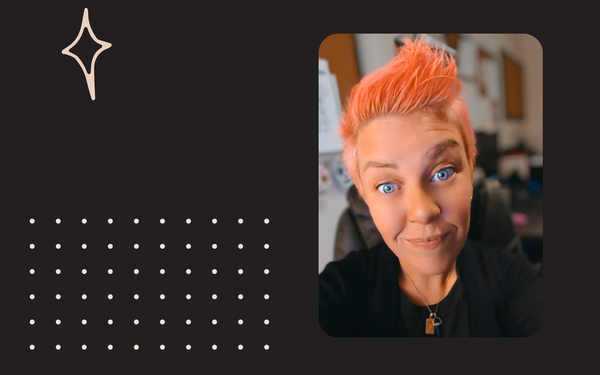
From SaaS to Recruitment: How Ksenia Molodych Built XOO to Fix the Gaps Between Growth Functions

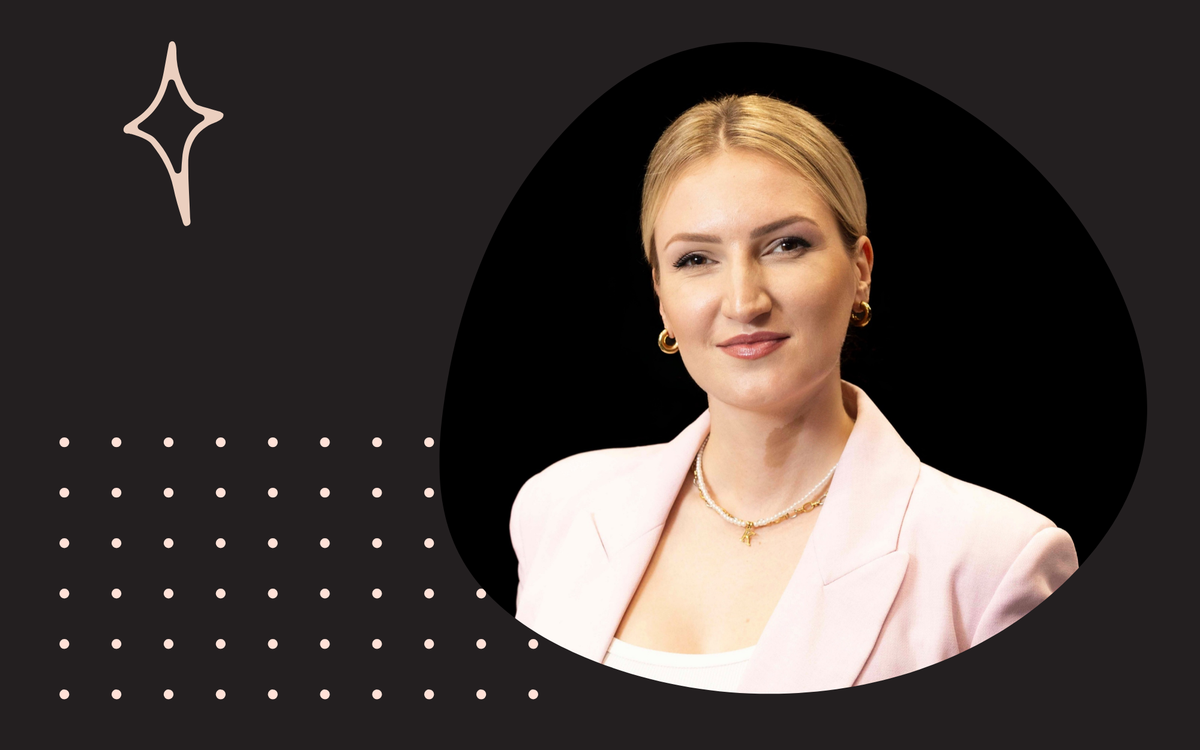
Most businesses don't have a marketing problem, a sales problem, or an operations problem. They have a gap problem: the space where these functions are supposed to connect but don't. That's the pattern Ksenia Molodych kept running into across more than 15 years working in marketing, sales, customer experience, and revenue operations, and it's what eventually led her to found XOO.
Ksenia's path took her through SaaS, recruitment, and revenue operations, three worlds with very different rhythms but a shared lesson: growth rarely stalls because people aren't working hard enough. It stalls because the functions responsible for it aren't working together. That realization, and a genuine drive to help people and businesses thrive, shaped how Ksenia now approaches client work, starting not with more marketing or more tech, but with a clear look at where friction is actually building up.
In this conversation, Ksenia talks about borrowing ideas from outside recruitment's usual playbook, why benchmarking only against your competitors can trap you in their limitations, and the advice she'd give any woman building a consultancy: your business may be new, but your experience isn't.
Know a founder (or are one) doing incredible work? Founded by Women Awards are open for entries. If you're building something bold, leading with purpose, or driving change in your industry, we'd love for you to enter. 👉 foundedbywomen.org/awards
Q: What led you to found XOO, and how does your background across SaaS, recruitment, and revenue operations shape the way you help businesses grow?
XOO really came from seeing the same problem play out in very different businesses, combined with a genuine passion for helping people and businesses thrive.
I've spent more than 15 years working across marketing, sales, customer experience and revenue operations in various sectors. The businesses were different, but the challenge was often remarkably similar: good people were working hard, but the functions responsible for growth weren't really working together.
Marketing would be generating activity, sales would be chasing revenue, operations would be trying to make the processes work, and leadership often didn't have a clear enough view of what was actually helping or hindering growth.
I found myself increasingly working in the gaps between those functions rather than neatly within one of them. I also realised that the work I enjoyed most was helping people see what was getting in their way, creating clarity and giving them the structure and confidence to move forward. That's ultimately what led me to create XOO.
The mix of industries has shaped how I work quite heavily. SaaS taught me to think about scalability, recurring revenue, customer journeys and data. Recruitment taught me a huge amount about relationships, human behaviour and the realities of selling a service where trust matters. Revenue operations brought those things together and taught me to look at the whole commercial system rather than trying to optimise one department in isolation.
That's still how I approach businesses today. I don't automatically assume they need more marketing, more sales activity or another piece of technology. Usually, the first job is understanding where growth is actually getting stuck, removing the friction and helping the people within the business thrive as a result.
Q: You've spoken about how recruitment agencies often only benchmark themselves against each other. What's an idea you've borrowed from outside the industry that's made a real difference for a client?
One of the biggest is borrowing the customer success mindset from SaaS. Recruitment can be very transactional: win the vacancy, make the placement, move on to the next requirement. In SaaS, particularly where recurring revenue matters, winning the customer is only the beginning. You spend a lot more time thinking about adoption, retention, relationship health, expansion and lifetime value.
I've brought that thinking into recruitment by looking at account management much more systematically. Who do we know within the client? How strong is the relationship? Are we relying on one contact? What value are we adding between vacancies? What's the history of the account, where could the relationship grow, and are we giving the client a reason to come back before they next need somebody? For one recruitment business, that meant moving away from account management being essentially “keep in touch with your clients” and creating a much more structured programme around relationship coverage, proactive value-add and client lifetime value.
It's a good example of why I think businesses should look beyond their own sector. If you only benchmark against your competitors, you tend to inherit the same assumptions and limitations they have.
Q: What's one piece of advice you'd give other women looking to build their own consultancy?
Don't make yourself smaller just because the consultancy is new. Your business might be new, but your experience isn't.
I think it's very easy when you start consulting to suddenly question things you've been confidently doing inside businesses for years. You over-engineer the proposition, keep tweaking the website, add more services, lower the price or wait until everything feels perfectly packaged before properly putting yourself out there.
You don't need to have the finished version on day one. Start with a problem you understand exceptionally well, find the people who genuinely have that problem and get into conversations with them. You'll learn far more from five real client conversations than you will from another month spent perfecting your service proposition.
And charge for the value of the experience you're bringing, not for how long your consultancy has existed.
Are you a woman leader with an inspiring story? Founded by Women elevates the voices of women making an impact.
Breaking barriers or paving the way for others? We'd love to feature you. Get in touch! 👉 hi@foundedbywomen.org