From Pluralistic India to Global Stages: Smita Tharoor on Building a Cross-Cultural Unconscious Bias Practice, Choosing Dialogue Over Hierarchy, and Leading Without Burning Out
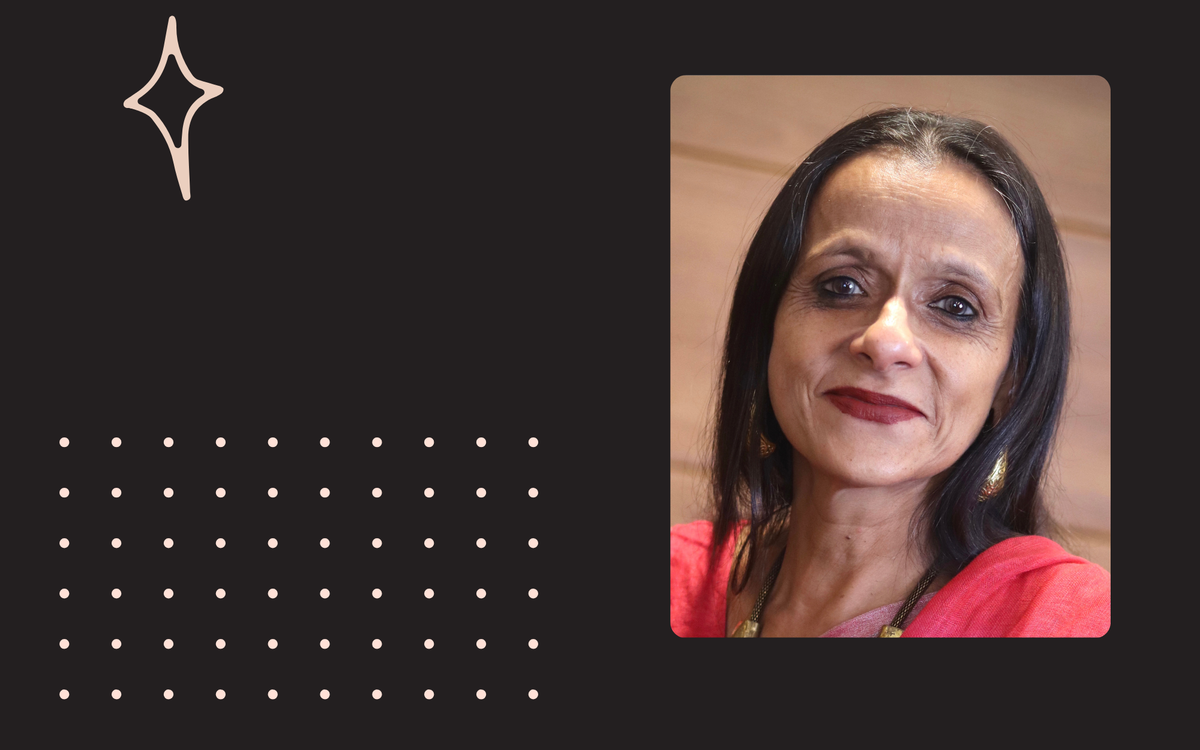
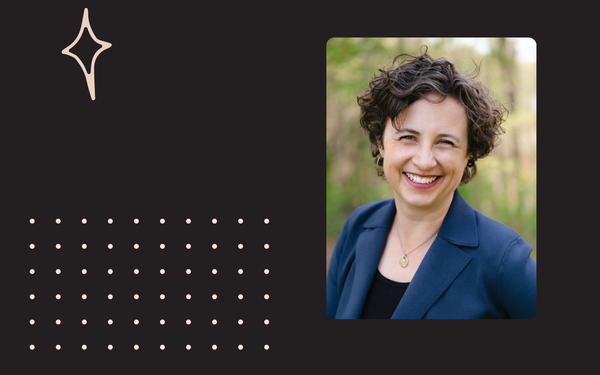
When Smita Tharoor arrived in London in the 1980s with a degree in English Literature and fluent English, she expected her confidence to translate. It didn't. The assumptions she encountered about her intelligence, her accent, and her right to belong planted seeds that would eventually grow into Tharoor Associates—a global unconscious bias training firm working with organizations from the European Bank of Reconstruction and Development to BNP Paribas Bank across multiple continents.
Growing up in pluralistic India taught Smita the value of tolerance and accepting differences, but it was her experience navigating racism in the UK—and witnessing how differently members of the South Asian diaspora carried their histories—that sparked her passion for understanding how inherited narratives shape behavior, opportunity, and decision-making. After 35 years in corporate, nonprofit, and government sectors, she made a pivotal choice in 2008: when offered a clear path to her boss's role, she realized she cared more about changing mindsets through dialogue and storytelling than climbing a traditional hierarchy.
Today, Smita is the founding CEO of Tharoor Associates, co-founder of Culturelytics (using AI to understand organizational culture), host of the podcast "Stories Seldom Told," TEDx speaker, and recipient of the Global Diversity Leadership Award from the World HRD Congress. She divides her time between London and India, serves as Associate Lecturer at University of Arts London and O.P. Jindal Global University, and is currently working on her book.
In this conversation, Smita shares why she left stable employment during an economic downturn to start her own firm, how she balances delivering difficult messages about bias while creating psychologically safe environments, and her systems for managing multiple ventures across countries and cultures without burning out.
From Growing Up in Pluralistic India to Founding Tharoor Associates - Building a Global Unconscious Bias Training Firm After 35 Years in Corporate, Nonprofit, and Government Sectors
Q: You're the founding CEO of Tharoor Associates, co-founder of Culturelytics (using AI to understand organizational culture), host of the podcast "Stories Seldom Told," TEDx speaker, and acclaimed motivational keynote speaker. You have over 35 years of experience in corporate, nonprofit, and governmental sectors across the UK, India, Europe, Asia, and the USA. You're an Associate of the Chartered Institute of Personnel & Development, NLP Practitioner, Coach, Mentor, Mindfulness Practitioner, and Associate Lecturer at University of Arts London and O.P. Jindal Global University near New Delhi. You received the Global Diversity Leadership Award from the World HRD Congress in 2017. Growing up in pluralistic India taught you "the value of tolerance and the appreciation of accepting differences," which sparked your passion for addressing unconscious bias. For women building consulting or training businesses (especially those focused on diversity, leadership, or organizational development), walk us through your decision to found Tharoor Associates after decades in traditional roles. What made you realize you wanted to specialize in unconscious bias training, and what advice would you give women about transitioning from employee to founder while building a business that operates across multiple countries?
A: Truth is often simpler than it seems. My journey into unconscious bias work began long before the term existed. I grew up in pluralistic India, where difference was normal and confidence was unexamined. When I arrived in London in my 20s in the 1980’s, with a degree in English Literature and fluent in English, I expected that confidence to translate. It didn’t.
In the UK, I encountered assumptions about my intelligence, my accent, and my right to belong. For the South Asian diaspora already in Britain, the past years had been brutal. Enoch Powell’s “Rivers of Blood” speech in 1968 had licensed open racism. I also witnessed how differently members of the South Asian diaspora carried their histories—some with pride, others shaped by racism, caution, or silence. Through friendships with women from Pakistani, Caribbean, Irish, and other backgrounds, I began to see how inherited narratives shape behaviour, opportunity, and decision-making. That, I later understood, was behavioural neuroscience or understanding our unconscious bias.
This realisation seeded a deeper empathy in me. In my own life, I chose a different rewriting. I chose dialogue. When faced with racism, I sought to engage rather than retreat, to ask questions, to hold up a mirror to the assumptions in front of me. It was not always easy — dialogue rarely is — but it felt authentic to my inheritance of curiosity and resilience.
Throughout my 35-year career across corporate, nonprofit, and government sectors, I kept returning to this insight. I began designing and delivering learning programmes focused on how personal and collective stories influence leadership and culture. In 2008, when I was offered a clear path to my boss’s role, I had an epiphany: I cared more about changing mindsets through dialogue and storytelling than climbing a traditional hierarchy. I left during an economic downturn and founded Tharoor Associates—one of the best decisions I’ve made.
My advice to women transitioning from employee to founder is simple but honest: only take the leap if you are deeply committed to your subject. Entrepreneurship replaces salary security with uncertainty, but purpose makes the risk worthwhile. My business became global organically through relationships in the UK, India, and the US. Today, geography is no longer a barrier—clarity of purpose, credibility, and communication matter far more.
Build from what you believe in. The rest can be learned.
"We Are Defined by Our Narrative" - Your Work on Unconscious Bias, Speaking from Philadelphia to Penang, and Using NLP to Transform Organizations
Q: You're a thought leader on unconscious bias and how it influences leadership development and organizational culture. You've delivered training for organizations including the European Bank of Reconstruction and Development, Cisco, BNP Paribas Bank, NHS, AXA Investment, Society of Women Engineers, and Lambeth Council, and spoken at conferences globally from Berlin to Philadelphia, Bangalore to Penang. You've said "we are defined by our narrative, our personal story, our experiences. These have an impact on how we make judgements and form opinions." You specialize in embedding coaching cultures within organizations and providing turnaround solutions. Clients have praised your ability to create "a trusting environment where managers felt comfortable to share their experiences" and deliver training in "a dynamic, accessible way with great anecdotes." For female founders building businesses in diversity, inclusion, or leadership development, what's your framework for helping organizations recognize and address unconscious bias? How do you balance delivering difficult messages about bias with creating psychologically safe environments, and what advice would you give women about building credibility as consultants in the DEI space?
A: As a woman founder, my approach to addressing unconscious bias is deeply personal. I’ve experienced firsthand how bias often shows up subtly—in whose voices are heard, whose leadership potential is assumed, and whose mistakes are remembered. That lived experience shapes the work we do at Tharoor Associates.
Our framework begins by reframing unconscious bias as a systemic issue, not an individual flaw. When people don’t feel blamed, they’re far more open to reflection and change. From there, we focus on three key areas:
- Awareness through reflection and real storiesWe create safe, facilitated spaces where leaders can connect research with lived experiences—especially those of women and underrepresented groups. This helps move the conversation from theory to empathy and understanding.
- Practical tools at moments that matterBias most often influences outcomes at critical decision points like hiring, promotions, and performance feedback. We equip leaders with simple, actionable tools to recognise bias in the moment and choose more inclusive behaviours.
- Embedding inclusion into leadership systemsAs a woman entrepreneur, I know that intention isn’t enough—systems drive outcomes. We work with organisations to embed inclusive leadership expectations into processes, metrics, and accountability so change is sustained, not symbolic.
For me, this work is about more than organisational performance. It’s about helping build workplaces where women don’t have to work twice as hard to be seen as capable, and where leadership potential isn’t limited by outdated assumptions.
Balancing honesty with psychological safety is at the heart of our work at Tharoor Associates, and it’s something I’ve learned firsthand as a woman founder. I know how easily difficult conversations can shut people down—especially when they feel accused, exposed, or misunderstood.
We start by grounding honest conversations in a shared purpose. Bias is framed as a human and systemic reality, not a moral failing. There is no blame game. That distinction creates safety and allows people to stay engaged rather than defensive.
At the same time, psychological safety does not mean avoiding discomfort. We’re very clear that growth requires courage. We set clear norms for dialogue—respect, curiosity, and accountability—so people know they can speak honestly while also being challenged.
I also believe in meeting people where they are. We help leaders understand that acknowledging impact is not about blame; it’s about responsibility and growth.
Finally, as a woman leader, I model vulnerability myself. This is crucial. When leaders are willing to reflect openly on their own blind spots, it signals that learning is expected at every level. That combination—clarity, compassion, and accountability—is what allows difficult truths to be heard in psychologically safe environments.
My biggest advice to women building credibility in the DEI space is this: anchor your work in both expertise and outcomes—not just passion. Lived experience matters deeply, but credibility is strengthened when it’s paired with rigor and results. But do remember that what I do is not just DEI related. Unconscious Bias is about the culture of an organisation as much as it is about DEI
First, be clear about your point of view. The DEI field is crowded, and trying to appeal to everyone can dilute your impact. Define what you stand for, what you challenge, and the specific problems you solve. Credibility grows when people can articulate why they come to you.
Second, speak the language of business as fluently as the language of equity. Senior leaders are more likely to trust and invest in your work when you can connect inclusion to leadership effectiveness, decision-making, risk, retention, and performance. This doesn’t mean compromising values—it means translating them.
Third, don’t over-sell yourself to earn their respect. Many women feel pressure to prove they are “expert enough” before speaking boldly. You don’t need to know everything to lead the conversation—you need to know enough, stay curious, and be honest about what you’re still learning.
Finally, set boundaries around the work you will and won’t do. Saying no to performative or superficial engagements is hard, especially early on, but long-term credibility is built by integrity. Clients trust consultants who are willing to challenge them, not just agree with them.
As women in this space, our credibility doesn’t come from being palatable —it comes from being clear, grounded, and courageous.Top of Form
Dividing Time Between London and India, Co-Founding Culturelytics, and Working on Her Book - Building Multiple Ventures While Maintaining Cross-Cultural Expertise
Q: You divide your time between London and India, bringing unique cross-cultural perspectives to your work. You co-founded Culturelytics (using artificial intelligence to understand workplace culture) alongside Tharoor Associates. You're currently working on a book "Stepping Up to Lead - a practical guide to your first people management role" (due March 2026) focused on personal development, clarity around vision, courage to lead, capability, and character. You also host the podcast "Stories Seldom Told" and established The Chandran Tharoor Foundation (in your father's name) to help vulnerable groups through educational and healthcare assistance. For female entrepreneurs building multiple ventures while maintaining international presence, what's your advice about managing businesses across different countries and cultures? How do you balance running Tharoor Associates, co-founding Culturelytics, teaching, speaking, podcasting, and writing while avoiding burnout, and what systems have helped you scale your impact globally?
A: For women entrepreneurs managing multiple ventures across countries and cultures, my biggest advice is to lead with cultural humility, not assumptions. We are the same the world over but we are also different. International presence isn’t just about scale—it’s about context.
First, invest time in understanding how power, communication, and decision-making show up differently across cultures. What signals confidence in one country may be perceived as aggression or detachment in another. Strong global leadership requires listening before leading.
Second, build local trust rather than trying to control everything centrally. That means empowering local partners, advisors, or teams who understand the nuances you can’t always see from the outside. As a woman founder, this also helps counter the pressure to “prove” yourself everywhere at once.
Third, create clear, non-negotiable values—and flexible practices. Your principles around integrity, inclusion, and leadership should be consistent globally, but how they’re expressed must adapt to local realities. Consistency of values with flexibility of execution is what allows businesses to scale sustainably.
Finally, protect your own capacity. Managing across time zones, cultures, and ventures can easily lead to burnout—especially for women who already carry invisible labour. Build real systems, not hollow structures, and give yourself permission to pace growth intentionally.
Global leadership isn’t about being everywhere—it’s about being thoughtful, credible, and trusted wherever you show up.
The writing is currently paused, with plans to resume in 2026; the book will distil key insights from my podcast Stories Seldom Told, exploring how listeners can apply these lived experiences to their own lives, even when their circumstances differ from those of the speakers.
Balancing Tharoor Associates, co-founding Culturelytics, teaching, speaking, podcasting has only been possible because I stopped thinking in terms of doing more and started thinking in terms of designing better systems.
The first shift was clarity of purpose. Every role I build more inclusive, effective leadership across cultures and organisations.
Second, I separate visibility work from deep work. Speaking and podcasting, are intentionally scheduled and batched so they don’t compete with strategic thinking or recovery time. Teaching and client work are anchored to clear rhythms, not constant availability.
Third, I build scalable intellectual capital. Instead of reinventing content for every audience, I develop frameworks, language, and tools that can travel across geographies and platforms. This allows impact to grow globally without requiring my constant presence everywhere.
Equally important, I’ve learned that avoiding burnout isn’t about resilience—it’s about boundaries and support. I’ve invested in strong collaborators, clear decision-making processes, and technology that reduces friction. I no longer equate exhaustion with effectiveness.
As a woman founder, especially one working across cultures and time zones, I see rest and sustainability as crucial essential choices. Me, myself and I time. Growing a successful business globally requires designing a business—and a life—that can actually sustain over time.
Are you a woman leader with an inspiring journey to tell? Founded by Women is on a mission to elevate and amplify the voices of women making an impact.
If you're breaking barriers, driving change, or paving the way for others, we’d love to feature your story. Get in touch with us today!
👉 hi@foundedbywomen.org