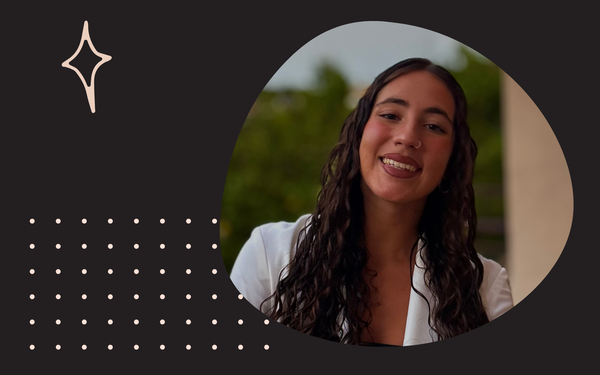
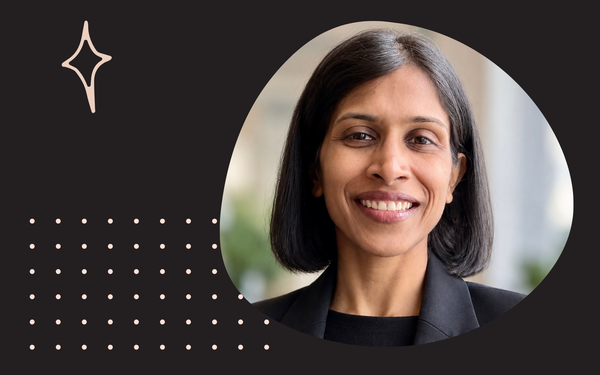
From ESG Leadership to Founder: How Gemma Branney Built ENVOLV to Make Sustainability Commercially Viable


After two decades leading ESG departments and shaping diversity, equity, and inclusion strategy for major organizations, Gemma Branney made the leap into entrepreneurship. In March 2025, she co-founded ENVOLV alongside Mhairi Cameron, a woman-owned sustainability consultancy that spans media, tech, recruitment, professional services, events, and the charity sector. Branney's background includes recognition on the Financial Times Climate Leaders Listing, and she brings a rare vantage point to her work: having sat on the client side of the table with ESG consultancies before building her own.
ENVOLV's philosophy is that sustainability and commercial success aren't competing priorities, they're the same goal. Gemma and Mhairi built the firm around a "strategic, pragmatic, commercial, and ambitious" approach, helping clients see ESG not as a compliance box to tick but as a genuine driver of revenue, investment, and talent retention. That same pragmatism shaped how the two co-founders structured their own partnership, built on nearly 20 years of working relationship, a documented partnership agreement, and equal equity paired with performance-based rewards.
In this Q&A, Gemma shares why she left the security of corporate life to found a woman-owned consultancy, how she helps skeptical leadership teams see sustainability as a profit driver rather than a cost center, and what she believes makes or breaks a co-founder relationship over the long run.
Are you a woman leader with an inspiring journey to tell? Founded by Women is on a mission to elevate and amplify the voices of women making an impact. If you’re breaking barriers, driving change, or paving the way for others, we’d love to feature your story. Get in touch with us today! 👉 hi@foundedbywomen.org
Q: You have 20 years of experience leading environmental, social, and governance (ESG) departments and designing diversity, equity, and inclusion (DEI) strategies. You've been recognized in the Financial Times Climate Leaders Listing and various industry awards. You co-founded ENVOLV in March 2025 with Mhairi Cameron (who brings 21 years in the charity sector), a woman-founded and owned business delivering across media, tech, recruitment, professional services, events, and charity sectors. For female founders launching consultancies in the sustainability space, what made you decide to leave corporate ESG leadership to co-found your own firm? How do you advise women positioning themselves against established ESG consultancies, especially when clients might perceive smaller, newer firms as less credible than big-name competitors?
A: When I first thought about starting ENVOLV, I had a lot of self-doubt about whether I could do it and if the risk was too high. Leaving corporate life meant leaving security both financially and emotionally, but it also meant stepping into something that was purpose-driven and impactful. I think that was the deciding factor for me – I wanted to have a bigger impact and I couldn’t do that from within someone else’s business.
What was interesting for me was that I have been a customer of established ESG consultancies. I have sat at the other side of the table which means I understand what good consultancy looks like and what doesn’t work for clients. What we were able to establish very quickly is what differentiates us from others. That is important to any founder and as a woman-founded business you need to have the confidence to identify, own and shout about it. That is definitely outside of my comfort-zone but self-advocacy and self-promotion are key things you need to do to succeed as a business.
On credibility specifically, my advice is not to compete on size, compete on depth. Being newer doesn't make you less capable, it just means you have to prove your value faster and more visibly than an established name would. We do that through evidence, being able to demonstrate the outcomes we've delivered rather than relying on reputation, and being genuinely specialis. Clients notice the difference between a firm reciting frameworks and using a cookie cutter approach to one who genuinely understands their business, market and commercial pressures.
Q: ENVOLV's approach is "strategic, pragmatic, commercial, and ambitious" – you design solutions that deliver measurable sustainability AND business outcomes, not just compliance exercises. Your clients describe you as "pragmatic and commercially minded," helping them focus on ESG issues most material to their business while driving revenue growth and managing regulatory risks. For female founders building purpose-driven businesses, how do you balance "doing good" with delivering commercial value to clients who may see ESG as a cost center rather than a growth driver? What's your framework for helping skeptical leadership teams understand ESG as a driver of profit, not just a regulatory burden?
A: Business leaders are becoming more aware of ESG as value-add. There is a mountain of data that proves ESG results in investment, more customers, better financial terms and engaged employees. What is so important though is making it relevant and unique to a business.
By ensuring businesses focus on the topics that impact them most, you can start to draw correlations between ESG and performance. For example, if a business is trying to increase profit margin, focusing on supply-chain resilience and net zero will likely support them to achieve this. Alignment with strategic goals and delivering quick wins is essential in building credibility and trust.
Often leaders see sustainability as a “nice to have”. The key is building credibility and trust as a strategic contributor. Spending time with leaders, listening and understanding how they operate, their challenges and aligning your language and outcomes with the broader business. This builds credibility and empowers you to influence, especially where you don’t have as much buy-in as you need.
For us at ENVOLV we do this in-house within our own strategy. We are woman-founded and therefore our community impact is aligned to supporting other women, through leadership mentoring, donating to women empowering causes and supporting other woman-founded businesses. We also know that as a brand we need to lead by example, so we built the business to be operationally net zero with EV vehicles and minimal supply-chains. For us being purpose-driven is how we are commercially successful, we can’t be one without the other.
Q: You co-founded ENVOLV with Mhairi Cameron, combining your ESG/DEI expertise with her third sector and private sector bridge-building skills. You're also an accredited executive coach specializing in inclusive and impact leadership. For female entrepreneurs considering co-founding partnerships, what were the non-negotiables you looked for in a co-founder? How do you structure decision-making and equity when both founders bring deep expertise but from different sectors, and what advice would you give women navigating co-founder relationships to prevent the partnerships from fracturing down the road?
A: For me having a co-founder was essential, and I am sure Mhairi would say the same. We both have done consultancy before and knew it can be a lonely path. What works well for us, is that we have known each other for almost 20 years. We have a proven track record of working together, having delivered great projects and even navigated major crisis in previous employers.
What was important was finding complementary skillsets. Where Mhairi is great at business management, I bring Marketing and Sales experience. When we deliver together, it is seamless because we automatically know each other’s strengths and weaknesses.
What has been useful for us is being honest upfront about what is non-negotiables, values and standards for the business. We have a documented partnership agreement that outlines what happens in every eventuality. We have regular business meetings, and an operating rhythm which means we hold each other accountable for agreed deliverables.
We have structured the business to have equal equity but with performance related remuneration which means there is individual accountability for the success of the business. This was essential to ensure we have a level of equity but also fairness in how we are rewarded.
The biggest bit of advice we would give is picking the right co-founder. Having a relationship that is grounded on trust, transparency and mutual respect is essential. We also share the same values and care more about each other, and doing the right thing, than we do about money.
Are you a woman leader with an inspiring story? Founded by Women elevates the voices of women making an impact.
Breaking barriers or paving the way for others? We'd love to feature you. Get in touch! 👉 hi@foundedbywomen.org