From CMO to Venture Builder: Sonia Hunt on Scaling Impact-Driven Companies with Zentāra Ventures
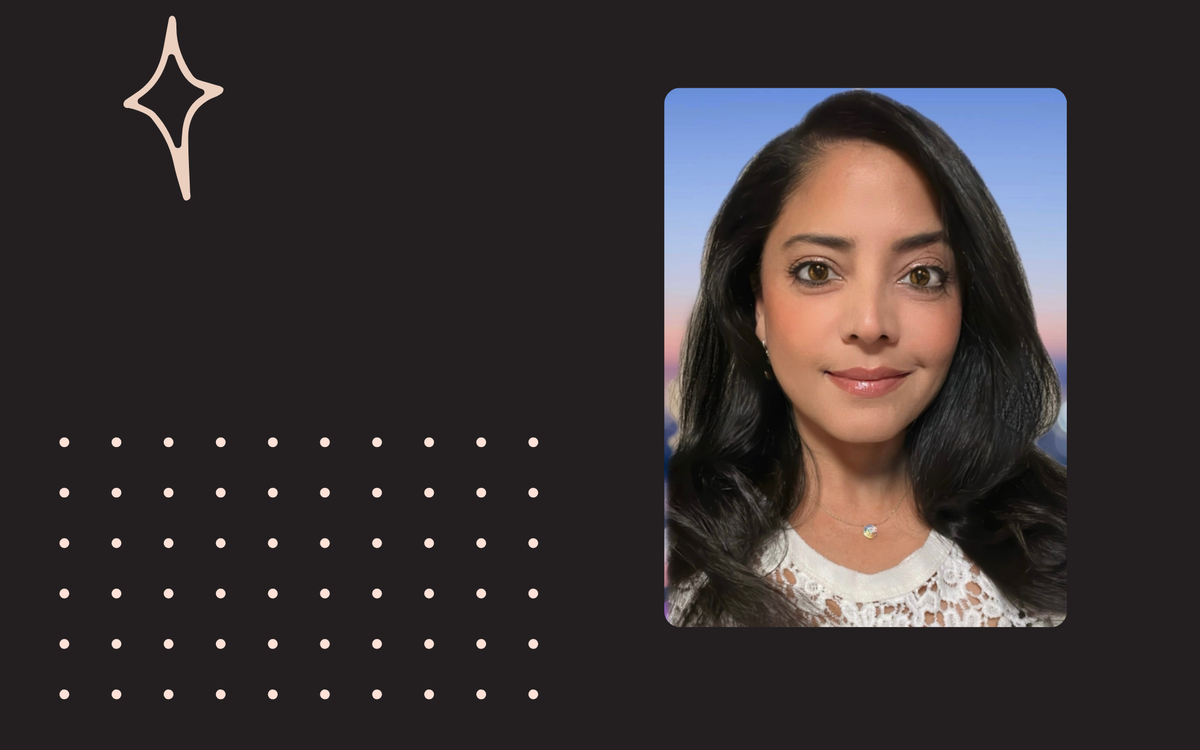
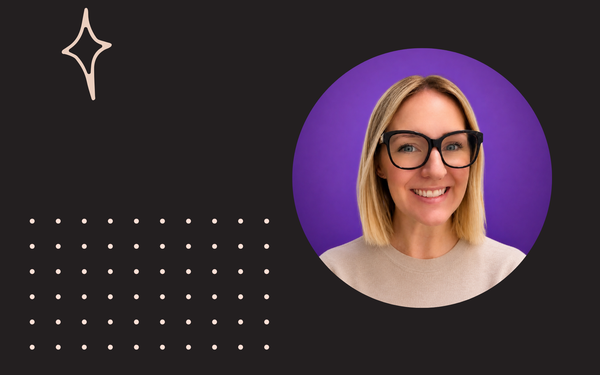
Sonia Hunt's career reads like a masterclass in intentional design. After more than 20 years as a marketing executive working with brands like Apple, TiVo, LVMH, Califia Farms, and Sephora, where she won the 2015 WWD Digital Innovator of the Year award, she made the leap from operator to investor, co-founding Zentāra Ventures, a venture studio and syndicate built to help impact and innovation-led companies scale sustainably.
What sets Sonia apart is her refusal to treat "doing good" and "building a commercially viable company" as separate goals. At Zentāra, she and her team co-build with portfolio companies rather than investing passively, drawing on her end-to-end background in engineering, product, and marketing to help founders navigate a landscape reshaped by AI, blockchain, and Web3. Her thesis is simple but demanding: impact isn't the pitch, it's the outcome, and the most fundable companies are the ones where mission and margin come from the same place.
Beyond Zentāra, Sonia is a TEDx speaker with over a million views, the number one bestselling author of "NUT JOB," and Founder of Dekode Health, a Precision Health Intelligence platform helping people achieve optimal health. In this conversation, she talks about her transition from CMO to Venture, how female founders can raise capital without compromising their mission, and why she believes in harmony over balance when building a career across multiple ventures.
Are you a woman leader with an inspiring journey to tell? Founded by Women is on a mission to elevate and amplify the voices of women making an impact. If you’re breaking barriers, driving change, or paving the way for others, we’d love to feature your story. Get in touch with us today! 👉 hi@foundedbywomen.org
Q: You spent 20+ years as a marketing executive working with global brands like Apple, TiVo, LVMH, Califia Farms, and Sephora (where you won the 2015 WWD Digital Innovator of the Year award), then co-founded Zentāra Ventures, a venture studio and syndicate helping impact and innovation-led companies scale sustainably. What made you transition from being a CMO and operator to becoming an investor and venture builder? Walk us through how your marketing and brand-building background influences the way you evaluate and support portfolio companies differently than traditional VCs.
A: My career progression has been by design because at a young age I wanted to understand every aspect of how a business runs and succeeds. My background is engineering to product to marketing. I grew my career to a C-level, and now I'm on the venture side. None of that was easy for a woman, let alone a woman of color. But I'm tenacious.
Zentāra Ventures began when I wrote a thesis on how venture building remained extremely difficult for early-stage companies to scale in an age of Web3/Blockchain/AI/constant market chaos, as these technologies are completely rewriting how you build, grow and scale ventures. Essentially, I'm a builder. My technical and marketing background allows me to help a company grow and scale end to end, which I believe is key compared to just hiring a point fractional executive. Today, you must to have the skills to look at the entire picture of a business.
At some point in a company's progression there is always a capital conversation. Zentāra doesn't just invest blindly. We co-build with our portfolio companies to de-risk the venture and accelerate growth. We do that because the old playbook is broken. AI, blockchain, and Web3 haven't just created new markets, they've shattered every traditional model of venture building. The rules that worked even five years ago don't apply. In that kind of market chaos, passive capital isn't enough. Founders need operators in the room who've built through disruption, who can see around corners, and who know how to make decisions when there's no blueprint to follow. That's why we co-build. Not because it's a nice-to-have, but because in this environment, it's the only way to de-risk a venture and actually accelerate growth.
Q: Zentāra Ventures focuses on companies addressing the UN's Sustainable Development Goals, and you mentor organizations through Unreasonable (having advised 15+ Unreasonable companies). For female founders building impact-driven businesses, how do you balance "doing good" with building commercially viable, scalable companies that can attract capital? What are the most common mistakes you see impact founders make when trying to raise from investors who want both financial returns and meaningful change, and how should they position their businesses to appeal to impact?
A: Female founders have an advantage here that nobody talks about. We're wired to build with accountability to our customers, our communities, our teams. That's the exact operating posture that makes an impact business sustainable. You don't balance doing good and building a commercial business, you architect the business so that doing good IS the commercial advantage. The mission and the margin have to come from the same place. That's not idealism, that's intentional design. What I tell female founders specifically is this: stop asking for permission to be both rigorous and values-driven. The investors worth having on your Cap Table don't make you choose. And if someone in the room is asking you to strip the mission out to make the numbers work, that's a signal about the investor, not about your business.
Regarding mistakes, the framing itself is the first mistake. When founders walk into a room and lead with impact, they've already lost half the room. Impact is the outcome, it's not the pitch. The pitch is the business. What I tell every founder I work with is that the most fundable impact businesses are the ones where the mission and the margin are the same thing. Because if you have to sacrifice returns to do good, you haven't found the right business model yet. Another mistake I see constantly is founders going after impact investors first. Impact capital is often the most constrained, most competitive, and most conditions-laden capital in the room. Lead with traction. Lead with the market. Lead with why this is inevitable and then let the impact be the multiplier that makes it more defensible, more loyal, and more sticky than a conventional play. Also don't confuse metrics. SDG alignment is not a strategy, it's a framework. Investors want to know: what does success look like at Year 3 and Year 5, and how does the impact make that number bigger, not smaller? If you can answer that question cleanly, you've got a fundable company. What we've built at Zentāra is an operator-led thesis precisely because impact companies don't fail for lack of mission. They fail for lack of execution infrastructure. The founders who win treat their social impact with the same rigor, data, and accountability they apply to their unit economics.
Q: Beyond Zentāra Ventures, you're a TEDx speaker (1M+ views), #1 bestselling author of "NUT JOB," health advocate who overcame 32+ severe food allergies. You've built a portfolio career spanning investing, speaking, coaching, and advocacy. For women juggling multiple ventures and roles, what's your framework for deciding which opportunities to pursue versus which drain your energy? How do you maintain focus on Zentāra while balancing your other commitments, and what advice would you give female founders who worry that multiple interests make them seem unfocused to investors?
A: I'm intentional about everything: my work, my health, my life. This is not a personality trait, it's a practice. I've spent years getting to know myself, finding my purpose, and deciding where I want to put my energy on this earth. Once you know that, the framework for what to pursue versus what to decline becomes almost automatic. If it doesn't align with my purpose, the answer is a hard NO.
I actually built a corporate workshop around this called, "Diversifying the Portfolio of Me" because I did this for myself long before I had a name for it. That intentional design is how I became an operator, a speaker, an author, and now the venture side. It was not by accident, it was by architecture.
In terms of maintaining focus, I don't believe in balance. Balance implies everything gets equal weight at all times, and that's not real life. What I aim for is harmony. Certain areas will demand more of my attention at different seasons, and that's okay, because I've built things that can scale without me being involved in it every single minute. That's the key. You can have a full life if you build scalable products and systems around your purpose — not just a job you feel you can't leave
For any female founder worried that multiple interests make her look unfocused...STOP! The right investor sees range as range. Depth in multiple areas isn't a liability, it's pattern recognition, resilience, and lived experience all at once. If an investor is threatened by the fullness of who you are, they're not the right partner for where you're going. And honestly? Who cares! This is your life. Live it the way you want to.
Are you a woman leader with an inspiring story? Founded by Women elevates the voices of women making an impact.
Breaking barriers or paving the way for others? We'd love to feature you. Get in touch! 👉 hi@foundedbywomen.org