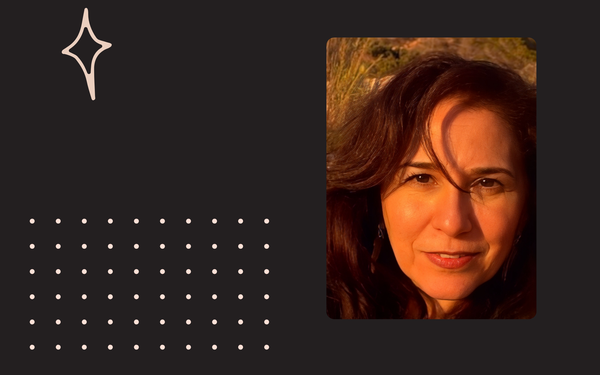
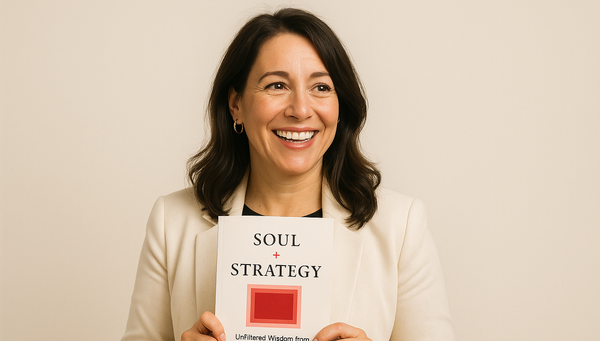
From "Cases" to People: Sinead Tingley on Leaving NHS Social Care to Build Serendipity Counselling York, Training Over 50 Counsellors, and Why Therapy Shouldn't Mean Burnout
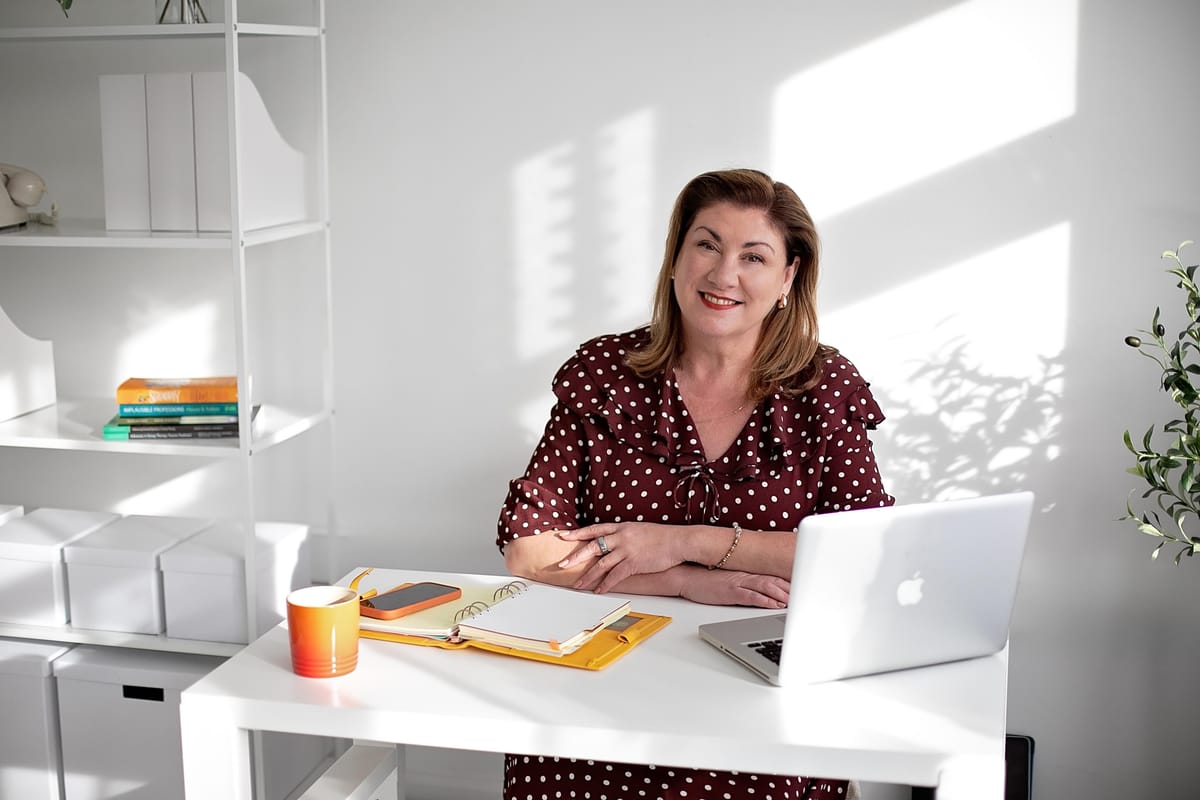
After over 15 years in social care, including experience with the NHS Child and Adolescent Mental Health Services (CAMHS), Sinead Tingley made a decision that wasn't about walking away from meaningful work—it was about wanting to practice in a way that felt more ethical, relational and sustainable. She wanted to offer therapy that wasn't rushed, where people could be met as individuals rather than cases, and where clinicians were supported rather than stretched to breaking point.
In 2017, she founded Serendipity Counselling York. What began as a solo practice has grown organically into a team of five qualified Associate Counsellors and seven trainee counsellors from local universities. The growth wasn't driven by a grand business plan—it came from noticing unmet needs locally and responding with intention rather than speed. To date, over 50 counsellors have completed placements at Serendipity, with some going on to work in schools, colleges, drug and alcohol agencies, and even the NHS. Her first trainee from 2018 is now a doctor. "We made a doctor!" Sinead says with pride.
Beyond private practice, Sinead has developed partnerships providing affordable and funded counselling, including hundreds of hours through Menfulness (a men's mental health charity) with over 95% of participants reporting meaningful positive change. She also delivers workshops for charities, local authorities, and SMEs on workplace wellbeing, stress management, anger, and suicide prevention. As a BACP-registered counsellor with an integrative humanistic approach, she provides clinical supervision to qualified counsellors and has developed specialized training on working with adult adoptees and trauma-informed sport and exercise coaching.
In this conversation, Sinead shares the biggest challenges in scaling from solo practitioner to a team of twelve, her framework for creating community partnerships that make therapy accessible, and why she believes sustainable therapeutic careers require challenging the narrative that caring work must be underpaid, overstretched, or self-sacrificial.
From Social Care and CAMHS to Founding Serendipity Counselling York in 2017 - Growing from Solo Practitioner to a Team of Twelve
You founded Serendipity Counselling York in 2017 after over 15 years in social care, including experience with Children and Adolescent Mental Health Services. You've grown the practice to five qualified Associate Counsellors and seven trainee counsellors from local universities. Walk us through the decision to leave social care and launch your own practice. What were the biggest challenges in scaling from solo practitioner to a team of twelve, and what advice would you give women in therapy or social care who are considering starting their own counselling practice?
I spent over 15 years working in social care, including within the National Health Service (NHS) Child and Adolescent Mental Health Service (CAMHS), and that experience shaped both my clinical identity and my values. I worked with children, young people and families who were navigating complex systems at times of real vulnerability. While the work was meaningful, it was also emotionally demanding and increasingly constrained by time pressures, targets and limited resources.
The decision to leave social care wasn't about walking away from that work — it was about wanting to practice in a way that felt more ethical, relational and sustainable. I wanted to offer therapy that wasn't rushed, where people could be met as individuals rather than cases, and where clinicians were supported rather than stretched to breaking point. I didn't want to train in the medical model of CAMHS so decided to take the PG (Dip) in Counselling, a social model of talking therapy, at York St John University. Once qualified, founding Serendipity Counselling York in 2017 felt like a natural extension of that intention.
Initially, I was a solo practitioner. Growth wasn't part of a grand business plan — it came from noticing unmet needs locally. A colleague from social care had begun a doctorate in Counselling Psychology and needed a placement. That is why I began to take trainee counsellors onboard. I became a placement provider for several local universities and colleges. There was a clear gap for accessible counselling, and later for high-quality trainee placements that felt supportive and ethically sound. As demand increased, I began bringing in more trainee counsellors, always with a strong emphasis on supervision, safeguarding and clinical governance.
In time these trusted colleagues in turn qualified as counsellors and psychotherapists and this is when I began offering Associate positions. The intention was to support them as they learned the 'business' side of setting up their own private practices. To date there have been over 50 counsellors on placement with me at serendipity, some of whom have gone on to work in schools and colleges and also drug and alcohol agencies. My first trainee from back in 2018 is now a doctor working within the NHS. We made a doctor!
The biggest challenge in scaling from one practitioner to a team of twelve was learning to shift identity — from doing the work to holding the work. Letting go of control, trusting others, and building systems that protected both clients and clinicians took time. There were also very practical challenges: managing risk, ensuring ethical consistency, navigating contracts, and learning the financial realities of running a practice — all while still holding a strong therapeutic ethos.
Another challenge, particularly as a woman founder in the therapy and social care space, was giving myself permission to take up space as a leader. Many of us are trained to prioritise care, collaboration and humility — which are strengths — but leadership also requires confidence, boundaries and visibility. That was a learning curve.
My advice to women in therapy or social care considering starting their own practice would be:
Start from your values, not a business model. Let ethics and care lead, and build systems around that.
Don't do it alone. Seek supervision, mentoring and peer support early — clinical and business.
Expect your role to change. Growth requires different skills, and it's okay to learn them gradually.
Trust your experience. Years in social care build resilience, judgement and relational depth — those are leadership qualities.
Grow slowly and intentionally. Sustainable practice matters more than rapid expansion.
Serendipity has grown into something I'm deeply proud of — not just in size, but in culture. It remains rooted in care, accessibility and professional integrity, and that comes directly from the years I spent in social care and CAMHS.
Partnerships with Menfulness, Sport Against Suicide, and Local Charities - Making Counselling Accessible Beyond Traditional Private Practice
Beyond private practice, you've developed partnerships providing affordable and funded counselling, including hundreds of hours through Menfulness with over 95% reporting meaningful positive change. You also deliver workshops for charities, local authorities, and SMEs on workplace wellbeing, stress, anger management, and suicide prevention. For female therapists building practices, what's your framework for creating community partnerships that make therapy accessible? How do you balance private client work, charity partnerships, corporate training, and supervision?
From the beginning, I never saw private practice as the only way to deliver meaningful therapeutic work. My background in social care made me very aware that cost, stigma and access are significant barriers to counselling. Partnerships became a way to bridge that gap without burning out clinicians or compromising ethical standards.
Working with organisations such as Menfulness, a men's mental health charity based in North Yorkshire, has been a particularly powerful example. Through that partnership, we've delivered hundreds of hours of funded counselling to men who may not otherwise have accessed therapy, with over 95% reporting meaningful positive change. What matters to me is that these outcomes aren't just numbers — they represent people being met at a point of real need, in a way that feels respectful and relational rather than clinical or intimidating.
My framework for creating community partnerships is built on four principles:
- Shared values come first I only partner with organisations whose values align with mine — around dignity, accessibility, safeguarding and ethical practice. If an organisation sees counselling as a "quick fix" or a tick-box exercise, it's not the right fit. Sustainable partnerships are built on mutual respect for the therapeutic process.
- Clear boundaries and expectations Accessibility doesn't mean vagueness. From the outset, I'm clear about referral pathways, confidentiality, safeguarding responsibilities, outcomes reporting, and what we can and can't offer. That clarity protects clients, therapists and the partnership itself.
- Start small and build trust I rarely begin with large-scale delivery. Piloting work allows relationships to develop organically, demonstrates impact, and creates space for learning on both sides. Many of our strongest partnerships grew because we took time rather than rushed expansion.
- Protect the therapists delivering the work Community work can be deeply meaningful, but it can also carry complex presentations. I ensure appropriate supervision, realistic caseloads and emotional containment for those delivering funded or partnership work. Accessibility should never come at the cost of practitioner wellbeing.
Balancing multiple strands of work
Balancing private clients, charity partnerships, corporate training and supervision is less about doing everything at once and more about intentional structuring.
Private client work provides stability and depth. Charity partnerships align strongly with our social values. Corporate and SME training allows us to work preventatively — supporting wellbeing before crisis point — and also helps financially sustain the wider practice. Supervision sits at the centre of it all, ensuring ethical oversight and reflective practice across every strand.
I'm very deliberate about:
Ring-fencing time for each role
Not over-delivering out of a sense of responsibility
Reviewing capacity regularly — personally and as a team
Being willing to say no when something no longer fits
For female therapists in particular, I think it's important to challenge the idea that caring work must be underpaid, overstretched or self-sacrificial. You can build a practice that is commercially viable, ethically grounded and socially responsible — but it requires boundaries, clarity and confidence in your value.
Ultimately, partnerships work best when they're not about visibility or volume, but about impact. When therapy is taken into communities, workplaces and organisations thoughtfully, it becomes something people can access before things fall apart — and that's where I believe the most meaningful change happens.
Integrative Practice, Specialist Expertise, and Sustainability in Therapeutic Careers
You're a BACP-registered counsellor with an integrative humanistic approach and provide clinical supervision to qualified counsellors. You've developed specialized workshops on working with Adult Adoptees. For women building therapeutic careers, what's your advice about developing specialized expertise while maintaining a general practice? How do you maintain your own wellbeing while providing therapy, supervising other counsellors, and supporting trainee placements?
My clinical foundation is integrative and humanistic, which means relationship, attunement and ethical presence sit at the heart of everything I do. That framework has allowed me to work across a wide range of client presentations while also developing areas of more specialised expertise over time — including work with adult adoptees, relationship work that includes couples, marriage, family and co-parenting, and clinical supervision.
For me, specialism didn't come from trying to "brand" myself early on. It emerged naturally from the work I was already doing and the questions clients were bringing into the room. My work with relationships — including couples, marriage, family dynamics and co-parenting — developed very naturally from my background in social care and CAMHS. Much of my early professional experience was grounded in working not just with individuals, but with systems: families under pressure, parents navigating separation, and children whose emotional worlds were deeply shaped by the relationships around them. Adult adoptee work, for example, grew from noticing recurring themes around identity, attachment, loss and belonging that weren't always well understood in more general therapeutic spaces.
In social care and CAMHS, it quickly became clear that distress rarely sits in isolation. Children and young people often presented with anxiety, behavioural difficulties or emotional dysregulation, but the underlying dynamics were frequently relational — shaped by attachment histories, communication patterns, unresolved conflict or changes within the family system. That experience taught me to listen beyond the individual story and to hold multiple perspectives at once.
As I moved into private practice, that systemic awareness stayed with me. Clients would often begin individual therapy and then bring questions about their intimate relationships, parenting or co-parenting arrangements following separation. Rather than seeing this as a separate strand of work, it felt like a continuation of what I had always done — supporting people to understand themselves in relationship to others.
My integrative humanistic approach supports this way of working. It allows space for emotional depth, personal meaning and accountability, while also acknowledging the wider relational context. In couples and co-parenting work especially, I draw on my experience of safeguarding, conflict resolution and child-centred practice, helping adults move from blame and reactivity towards understanding, boundaries and collaboration.
Working with co-parents has been a particularly meaningful extension of this. My background in child-focused services means I'm always mindful of how adult conflict is experienced by children, even when those children aren't in the room. Supporting parents to communicate more effectively, reduce conflict and hold the child's needs at the centre often has a lasting impact far beyond the immediate therapeutic work.
Ultimately, my relationship work grew not from a decision to specialise, but from a consistent professional thread: a belief that wellbeing is shaped in relationship, and that healing often happens there too. Whether I'm working with an individual, a couple or a family, the focus remains the same — creating a safe, reflective space where patterns can be understood, choices can be made more consciously, and relationships can move towards greater honesty, respect and care.
My advice to women developing therapeutic careers is this:
- Let specialisms emerge, don't force them Early in your career, depth comes from breadth. A strong general practice builds clinical judgement, confidence and flexibility. Specialisms tend to form when you follow your curiosity, reflect on the patterns you're seeing, and invest in further learning where your interest and client need overlap.
- Keep your humanistic core visible Specialist knowledge should deepen the work, not override the relationship. An integrative humanistic approach provides a steady anchor, ensuring that technique never replaces presence. Whatever additional training you pursue, keep asking how it serves the client in front of you.
- Invest in training that changes how you think, not just what you offer The most valuable training I've undertaken has challenged my assumptions, expanded my cultural and ethical awareness, and sharpened my reflective capacity. Choose learning that stretches you clinically rather than simply adding credentials.
- Allow your roles to evolve over time Supervision, specialist workshops and supporting trainee placements came later in my career, once I had the experience and emotional capacity to hold others' work as well as my own. There's no rush — sustainability matters more than speed.
Maintaining wellbeing while holding multiple roles
Supporting clients, supervising other counsellors and holding responsibility for trainee placements requires conscious self-management. I don't believe in the idea that resilience is about pushing through; I believe it's about containment and choice.
I maintain my own wellbeing by:
Keeping my caseload intentional rather than full
Maintaining my own supervision and reflective spaces
Being clear about emotional and time boundaries
Building variety into my week so no single role becomes overwhelming
Regularly reviewing whether my work still feels aligned with my values
Perhaps most importantly, I've learned to model the practices I encourage in others — rest, reflection, ethical pacing and compassion towards oneself. As women in caring professions, we're often socialised to over-give. Sustainable therapeutic careers require us to challenge that narrative.
Ultimately, developing clinical expertise isn't about becoming narrower — it's about becoming deeper. When specialism, supervision and general practice are held within a strong ethical and humanistic framework, they don't compete with each other; they strengthen the whole.
Are you a woman leader with an inspiring journey to tell? Founded by Women is on a mission to elevate and amplify the voices of women making an impact.
If you're breaking barriers, driving change, or paving the way for others, we’d love to feature your story. Get in touch with us today!
👉 hi@foundedbywomen.org