From Cambridge to Shenzhen: How Leah Geng Is Helping Hardware Founders Bridge the Gap to Production
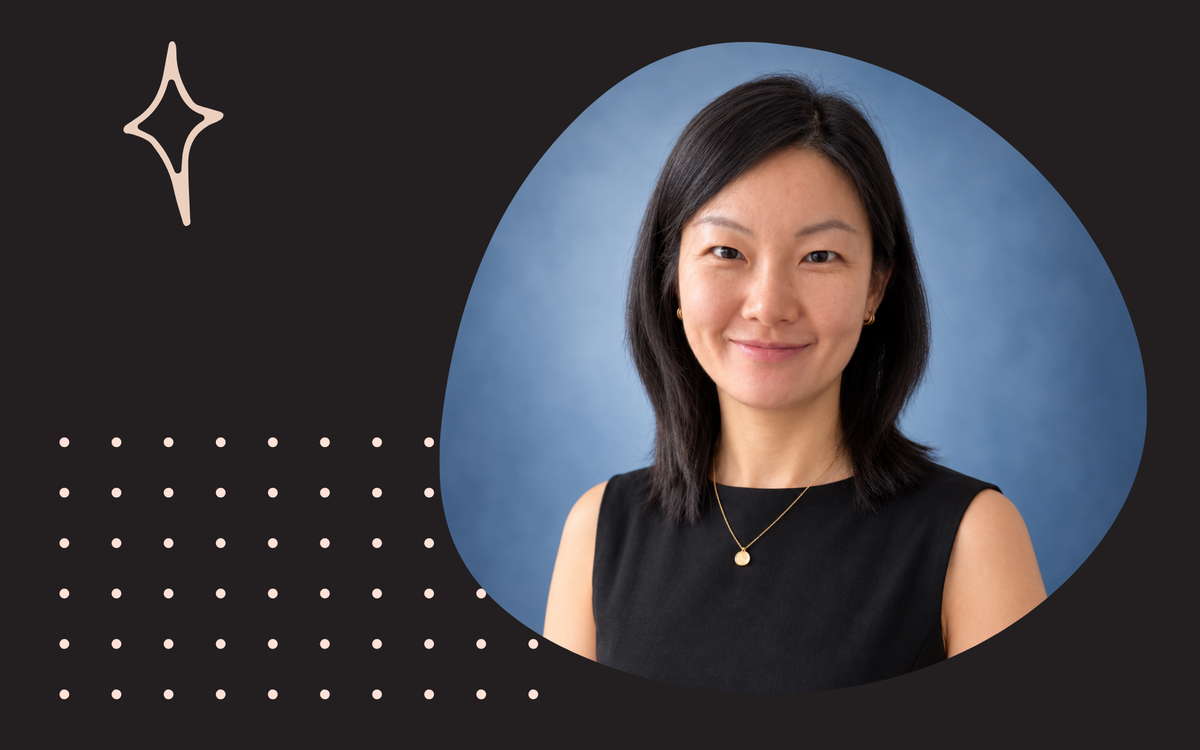
Bamboo Bridge did not start with a grand business plan. When her husband Dave needed help finding suppliers in China for his hardware startup, Leah Geng stepped in. Friends soon asked for help with their own products, and one project led to another. Today, Leah is the Founder & CEO of a Shenzhen-based team that guides young hardware companies from working prototype to reliable production.
Leah quickly found that finding a factory was often the easy part. The harder work was steering a design through sampling, tooling and production while keeping everyone aligned when things changed or went wrong. After ten years in Cambridge, she moved her family to Shenzhen to be close to those decisions and build a team that could take responsibility on the ground. Within six months she had set up companies in China and Hong Kong, settled her children into school and grown the team from two people to ten.
In this Q&A, Leah shares why she chose to be at the factory rather than manage from the UK, the hard lesson she learned about pacing herself and her family, and what comes next for Bamboo Bridge as it prepares to move into a larger space and expand its small-scale assembly capability. Her advice for founders considering a similar move: get one part of the business working well before taking on the next.
Know a founder (or are one) doing incredible work? Founded by Women Awards are open for entries. If you're building something bold, leading with purpose, or driving change in your industry, we'd love for you to enter. 👉 foundedbywomen.org/awards
Q: What made you decide to move to Shenzhen rather than run things remotely from the UK?
Bamboo Bridge wasn’t born out of a grand business plan. My husband Dave was working on a hardware startup and asked me to help find suppliers in China. Then a few friends asked for help with their products, and one project led to another. Before long, I realised that finding a factory was often the easy part. The harder part was getting a promising design through sampling, tooling and production while keeping everyone aligned when something changed or went wrong.
I could do some of that work from Cambridge, but I couldn’t build the kind of team our clients needed from a distance. In manufacturing, a photograph can tell you a part is wrong; being at the factory helps you understand why, agree on a fix and check the next batch. Moving to Shenzhen gave me the chance to be closer to those decisions and build a team that could take responsibility for what was happening on the ground.
Q: What’s been the biggest learning curve, and what would you tell another founder considering the same move?
After ten years in sleepy Cambridge, Shenzhen was a shock to the system. Everything moves fast, which is exciting until you realise you’re trying to move at the same speed in every part of your life. Within six months, I’d found an apartment, set up companies in China and Hong Kong, settled our children into school and grown the team from two people to ten. From the outside, that probably looked like a great first six months. At home, I was exhausted, and the pace put a strain on all of us.
My biggest lesson was that just because you can do the next thing doesn’t mean you should do it immediately. I’d tell another founder to give their family and themselves time to settle, then get one part of the business working well before taking on the next. You may have to turn down a good opportunity. I found that difficult, but trying to say yes to everything has a cost too, both for the people close to you and, eventually, for your clients.
Q: What’s next for Bamboo Bridge?
We started by helping clients find suppliers. Now we’re increasingly helping them through the messy stretch between a working prototype and reliable production. That can mean rethinking how a product is made, finding the right factory, managing tooling and samples, sorting out quality issues, or working out how the finished product will actually be assembled.
It’s an awkward stage for many startups. They need more than a sourcing agent can offer, but their volumes are too small for a large OEM and they aren’t ready to build their own engineering and operations team in China. That’s exactly what Dave needed when he was struggling with his own startup, and it’s the gap we’re now helping other founders bridge.
Towards the end of the year, we’re planning to move into a larger space and continue building our small-scale assembly capability. We want to give young hardware companies a stepping stone: practical support to get from “we’ve made one” to shipping hundreds of products they can stand behind.
Are you a woman leader with an inspiring story? Founded by Women elevates the voices of women making an impact.
Breaking barriers or paving the way for others? We'd love to feature you. Get in touch! 👉 hi@foundedbywomen.org