From Both Sides of the Table: How Ethel Cohen Is Rebuilding Insurance Around the Shopper

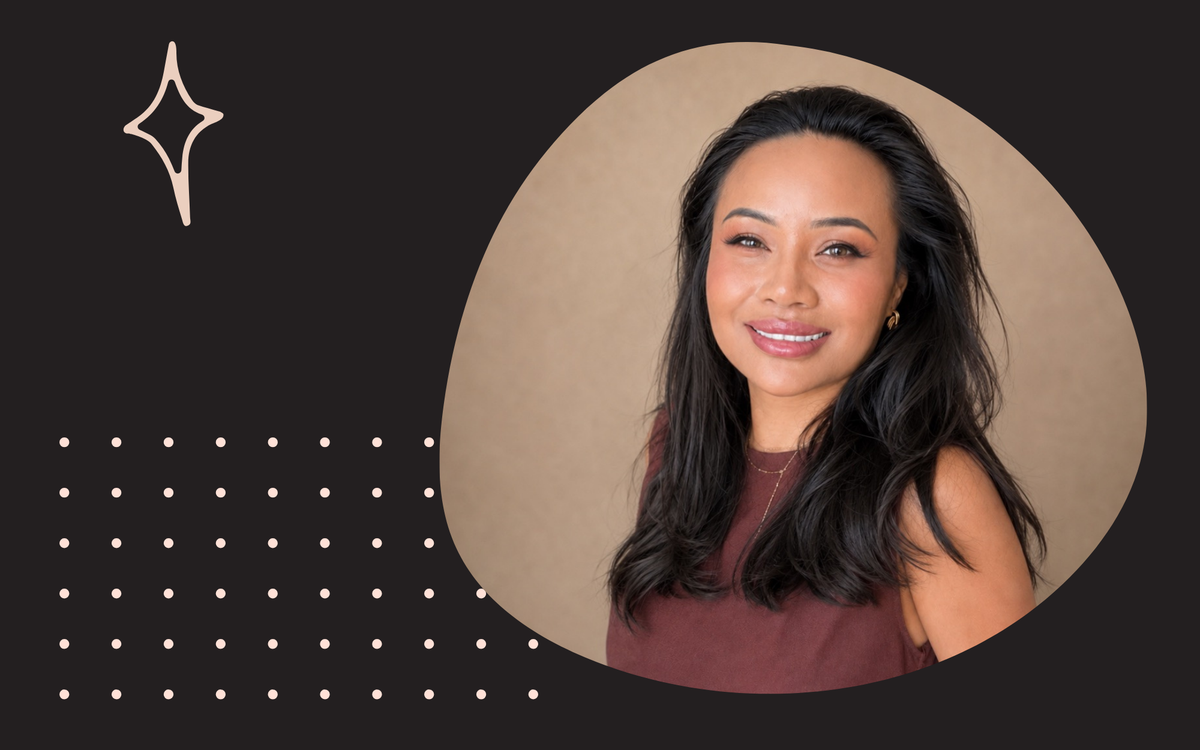
Ethel Rio Cohen has seen the insurance industry from every angle. She previously helped build an insurance agency, which she later sold, and now she is the founder and CEO of Ensurance, a U.S. insurance-shopping company that helps people shop for better insurance prices and coverage options across multiple insurance brands. That dual vantage point, inside the business and then outside it, gave her a rare clarity on where the industry serves customers well and where it quietly fails them.
For Ethel, the gap between what a company says it values and what customers actually experience is not abstract. It shows up in small, frustrating moments: forms that ask for information already provided, unexpected calls after a simple comparison request, a sense that control disappears the moment someone hits submit. Those observations shaped not only Ensurance's approach to privacy and transparency, but also Cate, the company's AI-powered shopping concierge, designed to make a complicated process clearer rather than just faster.
Ethel is also the author of The Room I Built, a book about belonging, ambition, identity, and the choices we make about which structures to keep and which to leave behind. In this Q&A, she talks about learning to tell the difference between rules that matter and habits that simply went unquestioned, and why staying curious can be an advantage rather than a liability for women building in complex, regulated industries.
Know a founder (or are one) doing incredible work? Founded by Women Awards are open for entries. If you're building something bold, leading with purpose, or driving change in your industry, we'd love for you to enter. 👉 foundedbywomen.org/awards
Q: What led you to found Ensurance after previously building and selling an insurance agency, and what did seeing the industry from both sides teach you?
I spent years helping build an insurance agency while working alongside my late husband, Doug. For a long time, the business was part of the rhythm of our life. We were raising a family, solving problems, making decisions together, and learning an industry that can be complicated even for people who work in it every day. Later, I sold the agency myself.
When you spend years inside a business, you become fluent in it. You learn how the systems work, where the slow points are, and which workarounds everyone has quietly accepted. After a while, things that might feel confusing to an outsider stop feeling unusual because you know how to navigate them. The customer never gets that training. That became much clearer to me after I was no longer looking at insurance only from the agency side.
I started paying more attention to what the shopping process actually felt like for the person trying to buy coverage. Someone might be asked for information she has already provided, move between different people, or submit a request without really knowing who will receive her information or what happens next. That perspective became one of the reasons I founded Ensurance.
I wanted to build from the shopper's point of view rather than simply accept the way the industry had always operated. Seeing insurance from both sides taught me that a company can have good people and good intentions and still create a frustrating experience if the systems are not designed around the person using them. A lot of what I write about in The Room I Built comes back to that same idea: there is a difference between the structures we inherit and the ones we consciously choose to keep building. That became true for me personally, and it has shaped the way I think about business too.
Q: You write about the gap between a company's stated values and the actual systems customers experience. Can you share an example of where you've applied that lens to your own business?
Privacy is one of the clearest examples for me because it is easy for a company to say it respects customer privacy, while the customer experiences something very different. In insurance, someone may simply be trying to compare options. She fills out a form because she wants help making a good decision.
Then she may begin receiving calls, emails, or texts from people she did not expect to hear from. From inside the business, there may be a perfectly reasonable explanation for every step. From the shopper's side, it can feel like control disappeared the moment she clicked submit.
That is why we have tried to think about privacy at Ensurance as part of the actual experience, not only as something explained in legal language. I keep coming back to simple questions: Does the shopper understand what she agreed to? Does she know what happens next? Does she still feel like she has control over the process?
Those questions have also shaped Cate, our AI-powered shopping concierge. I want technology to make a complicated process easier to understand, not simply faster for the company operating it. To me, that is where values become real. A customer should be able to feel what a company believes in the way the experience actually works.
Q: What's one piece of advice you'd give other women looking to build a business in a traditionally complex, heavily regulated industry like insurance?
Learn the rules well enough that you know which ones are actually rules. When you enter an established industry, especially when you are young or new to the room, it is easy to assume that everyone else knows something you do not. The language is established, the processes have been around for years, and the people around you may have decades more experience. That can make you hesitant to question anything.
Some things are there for very good reasons. There are laws, licensing requirements, compliance rules, and consumer protections that matter. But there are also processes that exist simply because they have been repeated for so long that no one thinks to question them anymore. The more you learn, the better you become at telling the difference.
I think women sometimes spend too much time trying to prove that we understand the room before we allow ourselves to question it. You do not have to know everything before you begin. You do need to stay curious, ask why, and pay attention when something does not make sense. Sometimes being the person who sees the problem differently is not a disadvantage. It is exactly why you notice what everyone else has learned to work around.
Bio: Ethel Rio Cohen is the founder and CEO of Ensurance Incorporated, a U.S. insurance-shopping company that helps people shop for better insurance prices and coverage options across multiple insurance brands. She previously helped build an insurance agency, which she later sold. She is also the author of The Room I Built, a book about belonging, ambition, identity, and choosing what comes next.
Are you a woman leader with an inspiring story? Founded by Women elevates the voices of women making an impact.
Breaking barriers or paving the way for others? We'd love to feature you. Get in touch! 👉 hi@foundedbywomen.org