From Betrayal to Ownership: How Donna Ross-Jones Built One of America's Top Music Publishers - And Why She's Not Done Yet
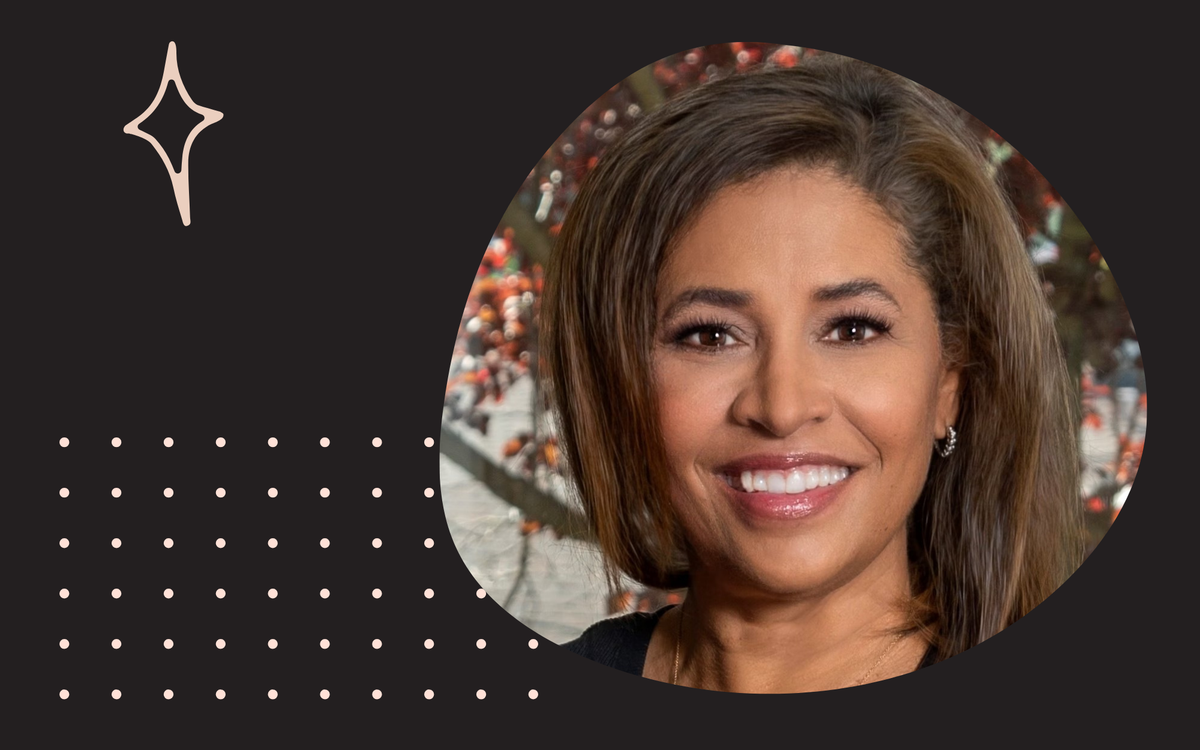
At 20 years old, Donna Ross-Jones learned the hardest lesson of her career: loyalty and hard work don't guarantee protection. After being blamed for conflict she didn't create, fired, and then assaulted by someone she trusted, she made a decision that would define the next four decades of her life. She would never again place her future in someone else's hands.
That decision led her to music publishing, where copyrights, unlike people, could be owned, documented, and protected. Today, Donna is the founder and CEO of Transition Music Corporation, one of the top 100 music publishers in the United States, and the only woman of color who owns 100 percent of a company at that level. Her catalog has powered music for Eddie Murphy, Heart, Anita Baker, and hundreds of film and television productions.
But ownership, for Donna, was never just about her own success. It became a tool for building opportunity for others, through partnerships with independent creators, internship programs that have sent alumni to companies like Warner and the NFL, and now, a new venture: Transition Music Academy, designed to give the next generation a clearer, more affordable path into an industry that has historically kept them out.
Are you a woman leader with an inspiring journey to tell? Founded by Women is on a mission to elevate and amplify the voices of women making an impact. If you’re breaking barriers, driving change, or paving the way for others, we’d love to feature your story. Get in touch with us today! 👉 hi@foundedbywomen.org
Q: What inspired you to start Transition Music Corporation?
Inspiration was, in a word, pain—but it was also the discovery that pain could become purpose. The road to Transition Music began when I was 20 years old. I had entered the music industry as a teenager and worked incredibly hard. Like many young women, I believed that if I was loyal, worked longer hours, did everything asked of me and made myself indispensable, the people I trusted would protect me.
They did not.
I was blamed for conflict I did not create and fired because I was the easiest person to sacrifice. Shortly afterward, one of the men I had looked up to pushed himself on me. There was no Me Too movement, no language for what had happened and no one telling young women that the shame did not belong to us. I felt humiliated, vulnerable and powerless. But somewhere inside that pain, I made a decision: I would never again place my entire future in someone else’s hands.
I started my first company at 20, using the knowledge I had gained in international marketing and artist management. That experience taught me another difficult lesson: when your livelihood depends entirely on another person, they can fire you, refuse to pay you or even throw a champagne bottle at your head—which actually happened to me.
Music publishing offered something different. Copyrights had rules. They could be documented, protected and owned. They could not fire me, intimidate me or decide one morning that my work no longer mattered. I began to understand that ownership was not simply a business strategy. For me, it was a form of safety.
Later, I fell in love with connecting music to film and television, and that became the foundation of Transition Music Corporation.
I did not build my company because I was fearless or because I had a perfect plan. I built it because creating something of my own became less frightening than continuing to be disposable in someone else’s world.
That is what I want women to understand: sometimes what breaks your heart also breaks open your future. The rejection, betrayal or failure that makes you question your value may be the very thing that pushes you toward ownership. You do not have to begin without fear. You only have to believe that what happened to you does not get to determine what becomes of you.
Q: What problem are we solving now?
The problem I have worked to solve throughout my career is exclusion—both creative and economic.
People often congratulate me when they learn that I am the only woman of color who owns 100 percent of a music publishing company ranked among the top 100 in the United States. I am proud of that accomplishment, but I am also profoundly saddened by it. I should not be the only one. I want to see more women and more people from communities of color achieving ownership at this level.
The music industry has always had talented people on the outside—people fully capable of doing the work, but without the relationships, résumé or access required to get through the door. As the owner of Transition Music Corporation, I have been able to do more than talk about inclusion. I have been able to build it into the way we operate.
We have partnered with independent companies, including Byron Allen’s media empire, helping to create an ecosystem in which independent businesses can grow together. We have taken chances on emerging writers, composers and artists based on the quality of their work—not simply their track records or who introduced them. And through our internship programs, we have given young people real work and real responsibilities, teaching skills that translate into employment. Former interns have gone on to opportunities at companies including Warner, the NFL, CBS and Amazon.
That is what has made ownership most meaningful to me. It has given me the ability to make a difference wherever I land—to create opportunities, share knowledge and help more people participate in the creative and financial success of this industry.
But the larger problem of inclusion in our industry remains.
Q: What's next for you?
Transition Music Academy.
Exclusion is a growing issue, and the population that used to comprise the music "middle class" is shrinking and we want to solve that problem. Employers are still saying they cannot find entry-level candidates who are prepared to contribute without extensive retraining. At the same time, many students graduate from expensive programs with theory but without the practical skills, industry context and business understanding employers actually require. Artists and creators are also entering the business without understanding rights, royalties, metadata, contracts or ownership—often learning only after they have made an expensive mistake.
TMA will take what we have been doing successfully on a smaller scale and make it accessible to more people. Together with a phenomenal team we are developing practical, vocational training in areas including music-industry structure, rights management, royalty flow, metadata, industry tools and professional skills. The goal is not simply to give someone another certificate. It is to give employers confidence that the person holding it can walk into the room, understand the work and contribute.
Most importantly, TMA is about creating a clearer affordable path from creativity to employment, income and ownership—particularly for women, independent creators and people who have historically been left outside the industry’s traditional networks.
I did not become an owner just to own a company. I became an owner so I could use that position to open doors. Transition Music Academy is the next door.
Are you a woman leader with an inspiring story? Founded by Women elevates the voices of women making an impact.
Breaking barriers or paving the way for others? We'd love to feature you. Get in touch! 👉 hi@foundedbywomen.org