Do Mai Anh of MAAS EdTech on Why Trust Is the Product in Education
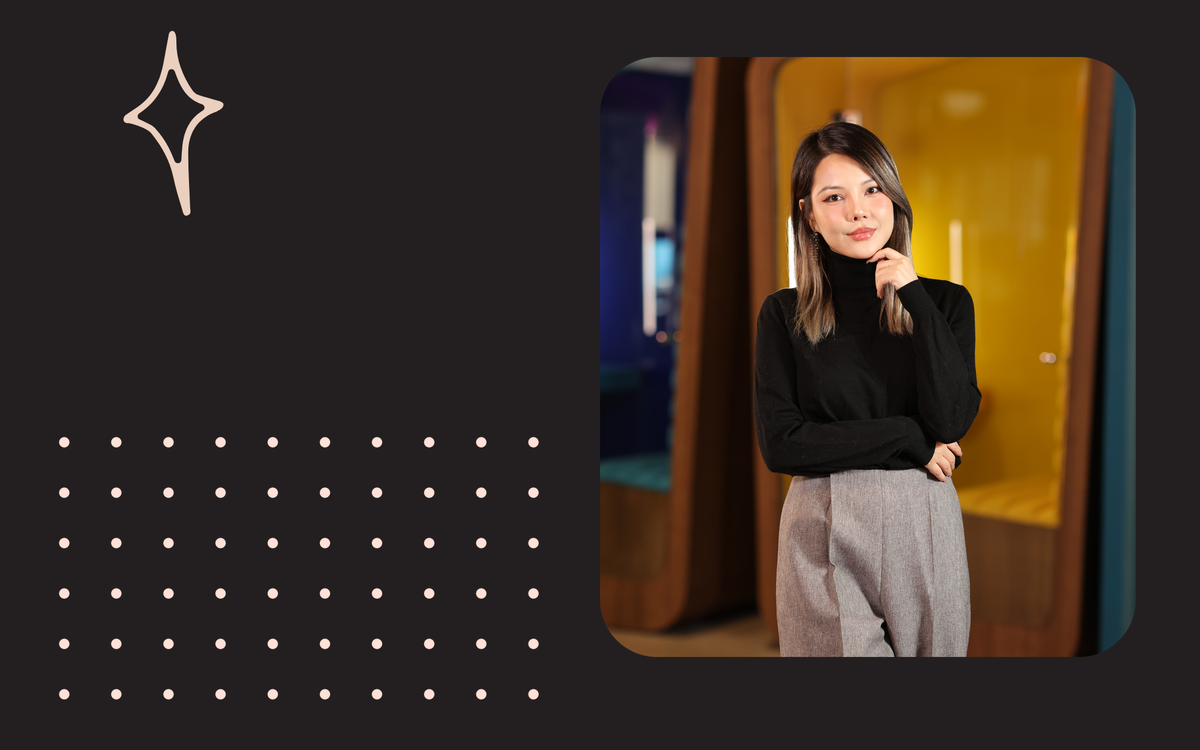
Do Mai Anh went to study in Singapore from Vietnam and found herself in the middle of a real culture shock, with a completely different way of learning, constant deadlines and a language gap with her lecturers. She realised that many Vietnamese students abroad struggle not because they lack ability, but because no one has explained how the new system works. In 2015 she founded MAAS EdTech to walk alongside them, and today the company focuses on students at UK and Australian universities.
MAAS works with a network of more than 100 academic experts, around 23% of them PhD holders, who mentor, explain and give feedback while the students do their own work. Anh says finding experts who can also teach is the hard part, and an early mistake of assigning projects to whoever was free first taught the team that being effective matters more than being fast. Matching each student with the right expert is still the part of the process they take most seriously.
Looking ahead, Anh plans to bring AI into how MAAS runs, so the experts can stay at the centre of the work, and to keep building on the company's openness, from published price ranges to free tools for students. To women building an education business, she says that trust is the product. In this Q&A with Founded by Women, she shares why she started MAAS EdTech, what it takes to build a network of academic experts, and what is next.
Know a founder (or are one) doing incredible work? Founded by Women Awards are open for entries. If you're building something bold, leading with purpose, or driving change in your industry, we'd love for you to enter. 👉 foundedbywomen.org/awards
Q: What made you start MAAS EdTech in 2015, and why mentoring for Vietnamese students at UK and Australian universities?
When I went to study in Singapore, I had a real culture shock. The way of learning was completely different from what I knew in Vietnam. Everything moved fast, assignments came one after another with constant deadlines, and at the same time I was still learning how to live in a new place. There was also a language gap with my lecturers and local classmates. For a while, the coursework felt like it was taking my breath away.
I realised that many Vietnamese students going abroad face the same thing, and they often struggle not because they lack ability, but because no one has explained how the new system works and they have no one to turn to. That is why I started MAAS EdTech: to walk alongside students and be someone they can lean on, so they feel more confident. Today we focus on students at UK and Australian universities, where the expectations around critical writing, referencing and marking criteria are often the biggest adjustment. Our experts mentor, explain and give feedback, and the students do their own work.
Q: What has been the hardest part of building a network of more than 100 academic experts?
Finding people who are excellent in their field is not the hardest part. The harder part is finding experts who can also teach: who are patient with a student writing in a second language, and who explain the reasoning instead of just correcting the text.
The biggest lesson came in our early days, when we sometimes matched a student with the wrong expert. At the time, we often gave a project to whichever expert could take it first. We learned that this was a mistake. Now, before assigning anyone, we assess how well the project fits each expert's portfolio: their qualifications, their experience in that subject and what the student actually needs. For us, being effective matters more than being fast. Today around 23% of our experts hold a PhD, and getting the match right is still the part of the process we take most seriously.
Q: What's next for MAAS EdTech, and what would you tell women building an education business?
Over the next one to two years, our focus is to bring AI into every part of how MAAS runs, so we can lower our operating costs and put more of our resources into the quality of mentoring. In practice, that means using AI to help match each student with the right expert based on qualifications, subject experience and what the student actually needs, to take over scheduling and routine admin, and to support quality checks on feedback before it reaches the student. The experts stay at the centre of the work, and AI takes over the repetitive tasks around them.
The second part of the plan is transparency, and much of it is already live on our website. In September 2026 we published our price ranges instead of hiding them behind a quote form. We show an anonymised profile of our expert network, with degrees, disciplines and countries but no personal details. The whole site is in both English and Vietnamese, so students and their parents can read the same information in their own language. We have also started building free tools, such as a grade checker for students at international universities in Vietnam, so students can understand how they will be assessed before they ever speak to us. Over the next two years we want to add more of these tools and more guides written by our experts.
My advice to women building an education business is to be transparent. In education, trust is the product. Be clear about what you do and what you will not do, and publish what you can, from your process to your prices. Families and students are tired of guessing, and being open about where you stand protects your students, your team and your business.
Are you a woman leader with an inspiring story? Founded by Women elevates the voices of women making an impact.
Breaking barriers or paving the way for others? We'd love to feature you. Get in touch! 👉 hi@foundedbywomen.org