Beyond the Sleep Rules: Rethinking Rest with Stephanie Romiszewski
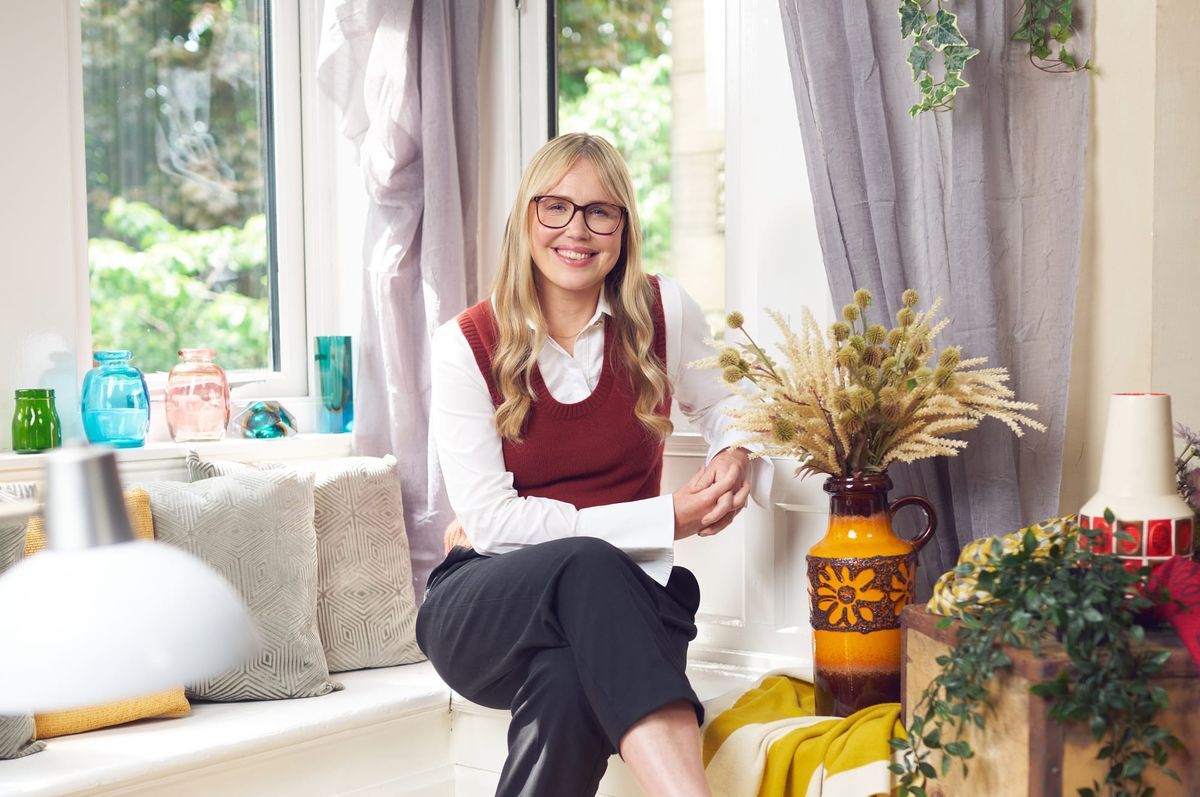
Stephanie Romiszewski is a Sleep Physiologist and the author of Think Less, Sleep More (Atlantic Books, 2026). She's also the founder of Sleepyhead Clinic, which supports both individuals and organisations, and the creator of BBC Maestro's course, Sleep Better.
Drawing on her experience in sleep and behavioural sleep medicine, alongside research and training at Harvard Medical School, Stephanie has become known for a simple but counterintuitive message: too many rigid rules around sleep can sometimes become part of the problem. Good sleepers, she points out, aren't spending their days engineering the perfect night. It's an idea that runs against most conventional sleep advice, and one that has become an important part of her approach.
In this interview, Stephanie explains how to tell a genuinely helpful sleep habit from an obsessive one, why sleep protocols often need to be adapted for real life, and what led her to build re:sleep, a way of making that same expertise accessible far beyond the clinic room.
Know a founder (or are one) doing incredible work? Founded by Women Awards are open for entries. If you're building something bold, leading with purpose, or driving change in your industry, we'd love for you to enter. 👉 foundedbywomen.org/awards
Q: You’ve talked about how obsessive rituals around sleep can backfire, since “normal sleepers don’t do this.” How do you help clients tell the difference between helpful sleep habits and counterproductive obsession?
The simplest test is: does this habit support your sleep, or have you started believing you need it in order to sleep? Good sleepers generally aren’t spending their day trying to engineer the perfect night. Things like regular morning light, movement and some consistency are helpful because they support the biology that regulates sleep. But when your routine becomes a long list of rules - no screens, perfect temperature, supplements, a specific bedtime ritual - and breaking one makes you anxious, we’ve probably crossed into something counterproductive. Sleep is supposed to be adaptable. Even if you start over-using the most influential things, they can backfire. Your relationship with sleep is very important.
Q: You’ve adapted CBT-I methods from Harvard Medical School research to work in real life, not just in a lab. What gap did you see between traditional sleep medicine and what people actually needed?
My time at Harvard was really important in shaping how I understand sleep and circadian biology, but my clinical approach has developed across years of working in sleep medicine and behavioural sleep medicine - with thousands of patients. The gap I kept seeing was between what we know scientifically about how sleep is regulated and the increasingly complicated advice people were being given about how to achieve it. There is a difference between something that can have some influence on sleep, and something that can really improve your sleep long-term when it's not working for you. There's also a huge difference between lab-like protocols and how we might adapt them for people's real lives. Strategies must be sustainable and adaptable. But it's also about the story you have told yourself around your sleep and making sure that this in itself is not impeding your sleep.
Q: What drove you to move from clinical practice into building Sleepyhead Clinic and re:sleep? How do you balance running both while treating sleep disorders professionally?
I didn’t really want to move away from clinical practice, I wanted to find ways of getting good behavioural sleep medicine to more people. Sleepyhead Clinic allowed me to build the kind of service I felt was missing: evidence-based, highly individualised and without the fear and perfectionism that has grown up around sleep. re:sleep came from the same problem at a different scale: how do we make that expertise accessible beyond a one-to-one clinic room? Balancing everything is still a work in progress, but remaining clinically active is important to me because it keeps everything else I do grounded in what people are actually struggling with. Really, it's about spreading healthy sleep messages as far as I can.
Are you a woman leader with an inspiring story? Founded by Women elevates the voices of women making an impact.
Breaking barriers or paving the way for others? We'd love to feature you. Get in touch! 👉 hi@foundedbywomen.org