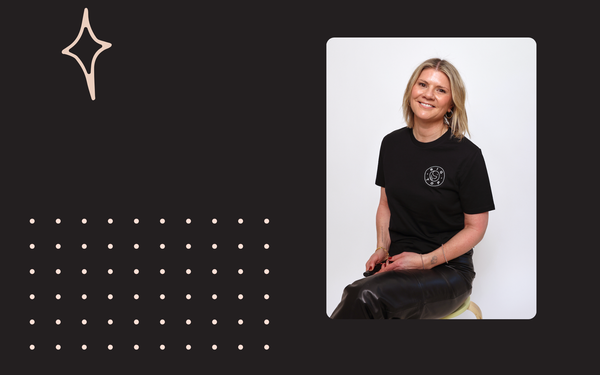
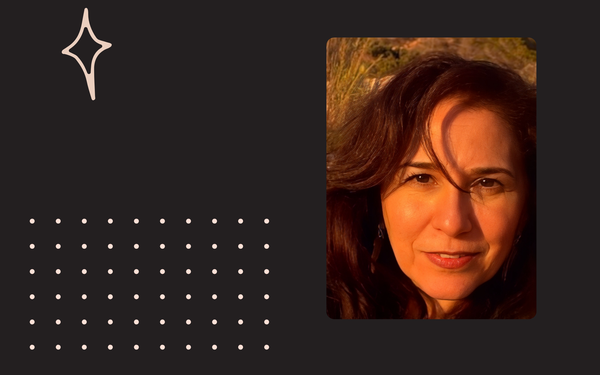
"At 6:15am With Teenagers Barely Out of Pajamas, I Learned What Leadership Really Is": Margaret Watts Romney on 20+ Years From Professional Cellist to TEDx Coach, and Why Speakership Is Leadership
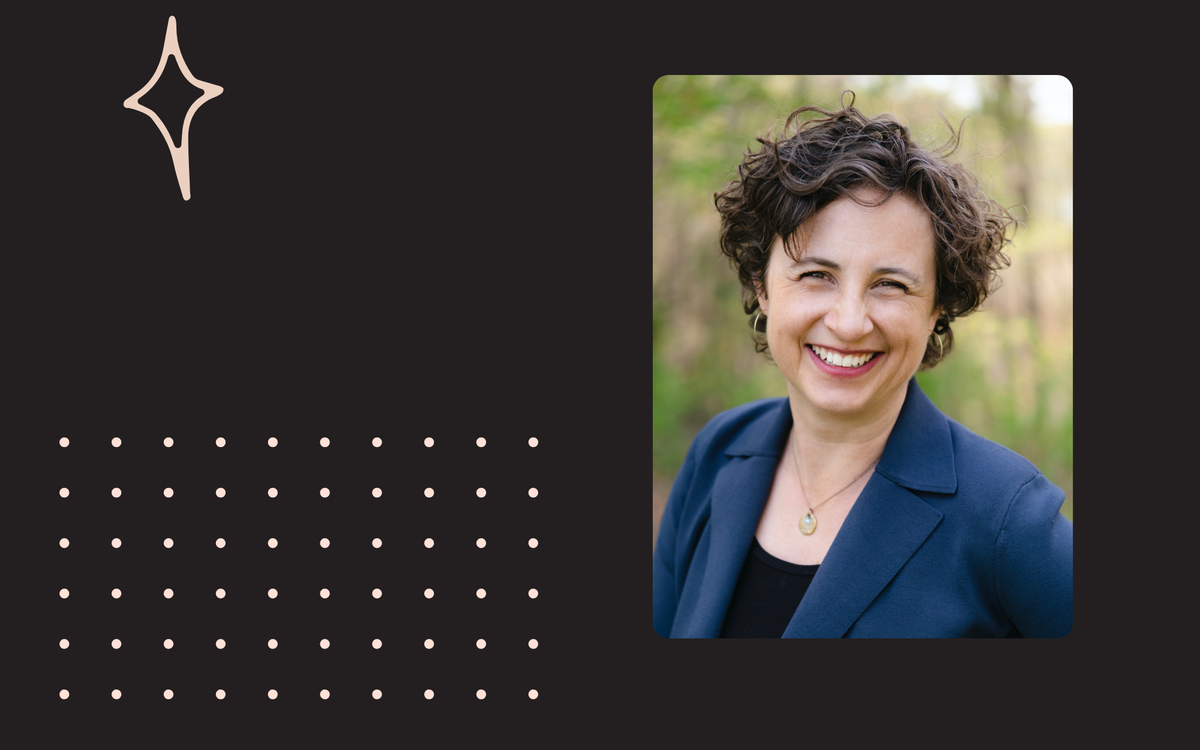
Margaret Watts Romney's first students of the day walked into her studio at 6:15am. She was barely out of pajamas. They were barely able to function. Three-syllable sentences counted as high engagement.
Despite their shared battle with circadian rhythms, they had a job to do. The parents were paying her to somehow get this lump of lanky limbs to play with grace and power, on an instrument designed in the 17th century that didn't even have frets for where to put their fingers.
She never bribed or bulldozed or manipulated the kids into playing. It wasn't possible. But somehow they did join together to collaborate on this project. Not just to learn the cello, but to enjoy it. She couldn't do that alone. She needed their buy-in.
So each lesson, she invited them to be themselves. She asked what parts of the music they liked. She listened to what resonated. She kept the boundaries around music and cello, but their curiosity, expression, and natural growth were the fuel and the forward motion.
Those moments of students sharing their hard work and expression on the stage thrilled her. The pride on students' faces. Their awe in connecting their listeners to something bigger. She'll be bold here and say it even felt holy.
After a 20+ year career of this, parts of her mind and soul that she hadn't fully used yearned to run free.
In 2013, TEDxSaltLakeCity became that outlet. She jumped into every volunteer opportunity they offered: fundraising, marketing, technical writing, stuffing nametags, sweeping floors, and designing an event with a team of purpose-driven professionals. With her background of performing and teaching performers, she settled into supporting the speakers.
Her brain loved stretching across every topic those speakers brought. And the core work was the same: helping people find the one thing only they could say, and share it in a way that was authentically theirs.
With some education and training, over time she tipped the scales of her professional life from cellist to communication coach. From music to words, from children to professionals, from cello to slide decks and conference rooms.
Then the pandemic hit. Events disappeared. And what her clients actually needed came into sharper focus. Where did they feel unprepared? Where did they not have the tools to face the moment?
This was her full circle moment. What she'd been doing all along (with teenagers at 6:15am and with leaders in boardrooms) was the same work. A lot of unknowns. A lot of gaps and blocks. Not a lot of clarity or even motivation. But a project ahead and a need to find a way to ask questions, listen, talk together, find the common ground, get on the same side of the table, and come together to move forward.
That is leadership. That is speakership.
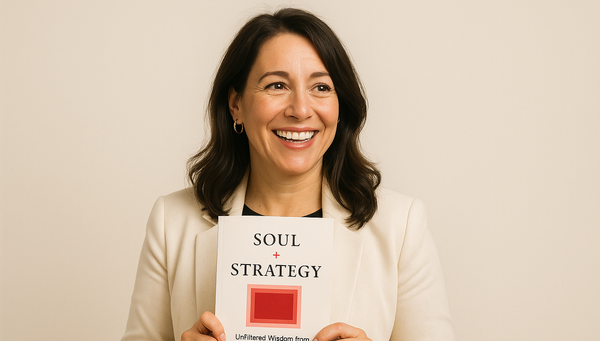
Today, Margaret is the founder of The Speakership Lab (formerly MasterSpeaker Lab), where she's coached over 100 TEDx speakers and supported hundreds of leaders from small companies to Fortune 50. She's the author of Speakership Is Leadership: a Guide for Sudden Leaders Who Need to Lead with Their Words. Yesterday. Her training includes a certificate from the Neuroleadership Institute and graduate studies in the Master of Strategic Communication program from Westminster University.
As she reflects: "The gap I see most often in experienced leaders isn't that they can't speak. It's that they've learned to communicate in a way that transmits information but doesn't create shared understanding. They're explaining when they need to be inviting. They're presenting conclusions when the other person needed to feel part of the thinking."
From Professional Cellist to TEDx Coach - How You Realized "Speakership Is Leadership" After Coaching 100+ TEDx Speakers
Q: You spent years as a professional cellist and teacher before jumping into coaching TEDx speakers. You've now coached over 100 TEDx speakers and founded The Speakership Lab (formerly MasterSpeaker Lab). In 2020, you had a pivot moment when a planned in-person workshop shifted online and speakers told you what they really needed: "an easy approach for what to do when there's a surprise." For female founders who need to communicate clearly but feel like they're "not natural speakers," what made you realize that "if you speak, you are leading"? How did your background as a performer shape your approach to helping people find their voice? What's the biggest misconception people have about public speaking or presenting?
A: When I was a professional cellist, my first students of the day walked into my studio at 6:15am. I was barely out of pajamas and they were barely able to function. Three-syllable sentences counted as high engagement. Despite our shared battle with circadian rhythms, we had a job to do. The parents were paying me to somehow get this lump of lanky limbs to play with grace and power, on an instrument designed in the 17th century that didn’t even have frets for where to put their fingers.
I never bribed or bulldoze or manipulated the kids into playing. It wasn’t possible. But somehow we did join together to collaborate on this project— not just to learn the cello, but to enjoy it. I couldn't do that alone. I needed their buy-in. So each lesson, I invited them to be themselves. I asked what parts of the music they liked. I listened to what resonated. I kept the boundaries around music and cello, but their curiosity, expression, and natural growth were the fuel and the forward motion.
When it was time to do the vulnerable thing of sharing their music from the stage, we turned to their fuel, curiosity, expression, and pride to shape their moments on the stage. I asked them, “What’s the one thing you want the audience to feel?” “What part of this piece are you proud of?” “What do you want to feel while you are playing for them?”
These moments of them sharing their hard work and expression on the stage thrilled me. The pride on students’ faces. Their awe in connecting their listeners to something bigger. I’ll be bold here and say it even felt holy.
It never got old, but after a 20+ year career of this, parts of my mind and soul that I hadn’t fully used yearned to run free. Parts of my mind and soul that I hadn't fully used started to itch for something more.
In 2013, TEDxSaltLakeCity became that outlet. I jumped into every volunteer opportunity they offered me: fundraising, marketing, technical writing, stuffing nametags, sweeping floors, and designing an event with a team of purpose-driven and like-minded professionals. With my background of performing and teaching performers, I settled into supporting the speakers. My brain loved stretching across every topic those speakers brought. And the core work was the same: helping people find the one thing only they could say, and share it in a way that was authentically theirs. “What do you want the audience to carry with them when they leave? How do you need to show up? How do you want to feel?”
With some education and training, over time I tipped the scales of my professional life from cellist to communication coach—from music to words, from children to professionals, from cello to slide decks and conference rooms. Public speaking. Presentations. Keynote speeches. Prepare, deliver, mission accomplished.
Then the pandemic hit. Events disappeared. And what my clients actually needed came into sharper focus — or rather, the disruption of the world created space for a deeper conversation. Where did they feel unprepared? Where did they not have the tools to face the moment?
This was my full circle moment.What I'd been doing all along — with teenagers at 6:15am and with leaders in boardrooms — was the same work. A lot of unknowns. A lot of gaps and blocks. Not a lot of clarity or even motivation. But a project ahead and a need to find a way to ask questions, listen, talk together, find the common ground, get on the same side of the table, and come together to move forward toward the end state of satisfaction in creating something we were proud of together.
That is leadership. That is speakership.
Helping People Find Their Story When They're Too Close to See It - Your Framework for Discovering "The Gold Nugget"
Q: You've said every talk should have a "gold nugget" - a piece of wisdom or gift the speaker gives the audience. You help clients figure out their message by listening to their life experience, pinpointing a powerful idea, and preparing them for the stage. For female founders who need to pitch investors, present to clients, or build their personal brand but don't know what their story actually is, how do you help people discover what their "gold nugget" is when they're too close to their own experience to see it? What's the difference between a founder who's "communication-ready" versus one who needs more work first? How should founders think about their message before they worry about delivery?
A: Yes, this is true that when I worked with TEDx speakers, our job was to find the one “Idea worth spreading.” Simple to say but not easy to do.
Early on, I thought I could see that idea for my clients and simply show it to them. With one speaker in particular, I thought this would be easy. He was already a public speaker and somewhat public figure. He had told his story dozens of times. But we kept getting stuck on the one idea he wanted audiences to take away. I'd get excited in our meetings. There it is — it's about teaming together to overcome obstacles. He'd agree in the moment, then text the next day: it didn't feel right. The event drew closer. Meeting after meeting, I'd spotlight a phrase he'd used or a concept that intrigued me. He'd nod, then write the next day that it still didn't feel right.
Finally, on the day before the event to a sold out crowd, he called to say he got it. He found it. He came to my house and delivered his talk. It was breathtaking. The core idea was nothing I had seen or could have seen. It was part of his own soul shining through. He asked me not to share his details or his specific story, so I won't. But the audience gave him a standing ovation, and many said they'd never experienced anything like it.
These days, my clients are rarely preparing for a stage. No spotlight, no red dot carpet, no standing ovation. They're navigating the real terrain of leadership:
“Why do I hold back when it’s my turn to lead a room?”
“How can I respond to the backlash or even dismissal of others in a way that isn’t destructive, and even makes me proud?”
“In these days of huge upheaval and unpredictability, what does my team need from me and how do I manage my own feelings in uncertainty?”
For this work, I turn to a framework called Narrative Thinking.
Our brains are constantly looking for stories to make sense of the world — and when information is missing, we make them up anyway. Who is here? Where are we? What's happening? Where are we going? What's blocking us from getting there?
When we take a moment to identify the actual outcome we want — not the solution that clicks everything into place, but the transformed state on the other side of all the messy adventures — we can get clarity about how to move forward. Not Dorothy clicking her heels. The moment she realizes there's no place like home.
When I sit down with a client who isn't sure of their direction or how to face a communication challenge, I'm not looking to their expertise or their toolkit. I listen for where they are in their story — the characters, context, action, conflict — and the gap between that and where they want to be. What success actually looks like.
Then we explore what they know about the story their listeners are standing in. Teammates, partners, stakeholders — what do they believe right now? What are they worried about? What would have to be true for them to move forward together? We find the questions they need to ask, the spaces they need to open, the guidance they need to offer — so they can be in the same story with others.
Even when it's as awkward and unresolved as a teenage music lesson at 6:15am.
"Speakership Is Leadership" - Why Every Founder Needs Communication Skills Beyond Just "Public Speaking"
Q: Your book Speakership Is Leadership argues that communication isn't just about stages and presentations - it's about boardrooms, family gatherings, one-on-one conversations, and even "silent moments of presence." You work with leaders from small companies to Fortune 50. For female entrepreneurs building businesses, how should they think about developing their communication skills when they're not trying to be "keynote speakers" but just need to lead teams, pitch clients, and have difficult conversations? What are the communication gaps you see most often in founders, and how do those gaps actually hurt their business? What's the first communication skill every founder should develop?
A: Like your founders and entrepreneurs, the leaders I work with are not exclusively trying to become keynote speakers (though that might be a solid marketing tactic). They're trying to get things done. They're trying to move a decision forward in a room full of skeptics, or keep a team aligned through a pivot, or make a case to someone who controls resources they need. Those are communication challenges, and they're where leadership actually lives.
The gap I see most often in experienced leaders isn't that they can't speak — it's that they've learned to communicate in a way that transmits information but doesn't create shared understanding. They're explaining when they need to be inviting. They're presenting conclusions when the other person needed to feel part of the thinking. That distinction — between communicating at people and communicating with them — is what separates leaders who create real alignment from those who wonder why nothing quite sticks.
The first skill I'd point any founder toward: before you think about what you want to say, spend time understanding the world your listener is standing in right now. What do they already believe? What are they worried about? What would change for them if they trusted what you're saying? Start there.
Because the leaders I've watched do this work — really do it — don't just become better communicators. They become leaders they're proud to be.
Are you a woman leader with an inspiring journey to tell? Founded by Women is on a mission to elevate and amplify the voices of women making an impact.
If you’re breaking barriers, driving change, or paving the way for others, we’d love to feature your story. Get in touch with us today!
👉 hi@foundedbywomen.org