Arina Anapolskaya on Why AI Should Never Make Compliance Decisions Alone

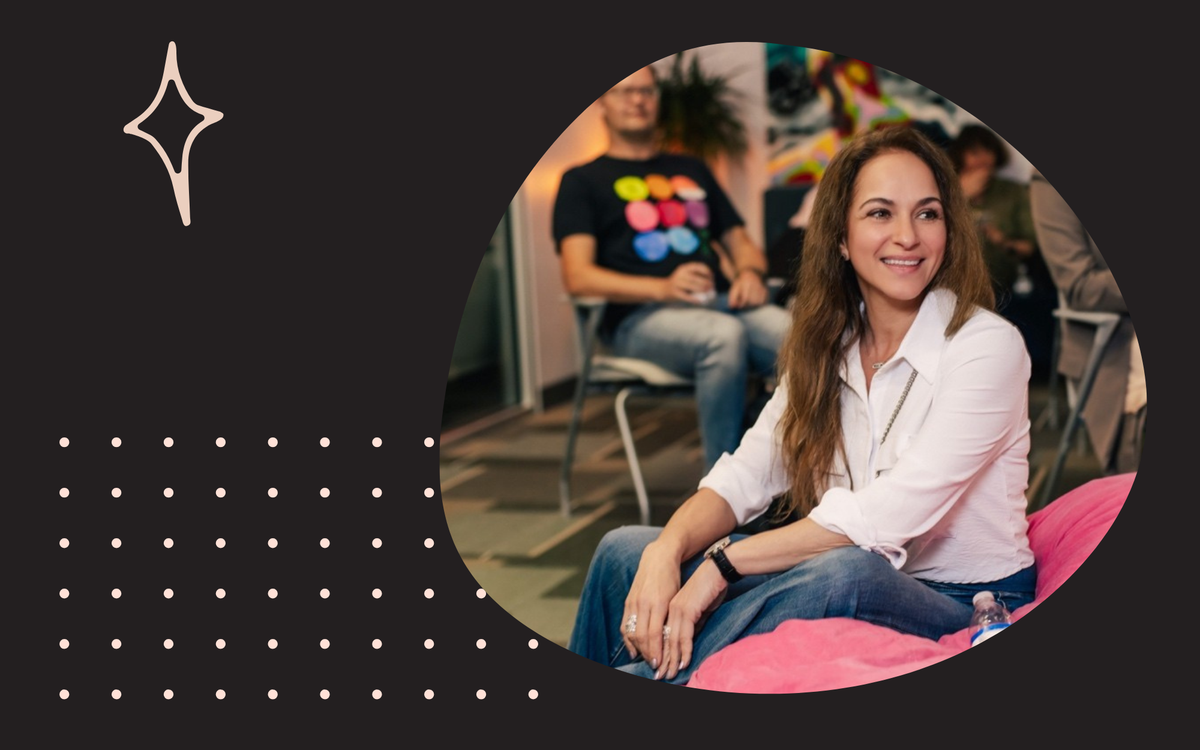
Fintech spent two decades digitizing money. Now AI is starting to digitize something far more complicated: judgment. For Arina Anapolskaya, a Ukrainian-born fintech entrepreneur and advisor based in San Francisco, that shift raises a question the industry has barely begun to answer: when AI starts interpreting regulation and recommending compliance decisions, who is accountable when it gets one wrong?
Arina co-founded B-Platform, where she built payment infrastructure that a client deployed across 25 countries in Latin America and the Caribbean, and later CashQ, a regulated U.S. cross-border payments company that grew from kiosks and a Telegram app for immigrants sending money home into an “international Zelle” for banks and neobanks. Those years put her inside the parts of fintech that rarely make the startup story: money-transmitter regulation, sanctions, compliance operations, and the realities of moving money across borders. Her lesson is that trust is built from millions of quiet moments when everything works, and from how a company behaves when it doesn’t.
Today she is deliberately keeping her next venture in research mode, asking what evidence a bank would need before trusting an AI recommendation and where human judgment must stay mandatory. In this conversation, she shares why AI should do the homework while a human still signs the answer, and why her advice to women building financial companies across borders is simple: read the fine print, all of it, and let AI read it with you.
Know a founder (or are one) doing incredible work? Founded by Women Awards are open for entries. If you're building something bold, leading with purpose, or driving change in your industry, we'd love for you to enter. 👉 foundedbywomen.org/awards
Q: After building B-Platform across 25 countries and then CashQ, what did those years inside regulated, cross-border fintech teach you about building products that institutions actually have to trust?
Nobody claps when a payment goes through. That’s the whole point.
At B-Platform, one of our clients took our self-service payment infrastructure across 25 countries in Latin America and the Caribbean. That’s the number you put in a company presentation. Behind it were banking relationships, different regulatory requirements, and all the work needed to make the same promise in every country: the payment will work.
With CashQ, the money got a face. We started in 2019 with immigrants sending money home through kiosks and an app on Telegram. On the other end of every transfer was a family waiting. They weren’t interested in our infrastructure. They needed their money to arrive. Later, we rebuilt CashQ into an “international Zelle” for banks and neobanks. Now we also had to earn the trust of institutions putting their own customer relationships and reputation behind the service.
Those years put me inside the parts of fintech that rarely make the startup story: money-transmitter regulation, sanctions, compliance operations, and the realities of moving money across borders. You can’t treat those as paperwork to finish after you’ve built the exciting part. They shape what you can build. In that world, “almost right” is very expensive. A payment fails. A customer is blocked. A bank relationship is affected.
What I learned is that trust comes from millions of quiet moments when everything works—and how you behave when it doesn’t. Can you explain what happened? Can you fix it? Will you take responsibility? That matters much more than how good the demo looked.
Q: You’re now researching what happens when AI moves into interpreting regulation and recommending compliance decisions. Where can AI genuinely change regulated finance, and where must human judgment stay mandatory?
Fintech digitized money. AI is starting to digitize judgment.
I’m less interested in another chatbot on top of a financial product than in what happens when AI starts interpreting the rules underneath it. That could change how financial companies operate. Think about the work involved in entering a new market: reading regulations, comparing requirements, understanding how they apply to your particular product. Or investigating a transaction, where someone has to work through information from several places before deciding what to do. AI could help enormously with that. But once it recommends blocking a customer or closing an account, we’re having a different conversation. Someone’s access to funds is now involved. An answer can sound convincing and still be wrong. I want to know which rule the system applied, what evidence it used, and what it might have missed. I’m especially interested in whether it can recognize when it doesn’t have enough information to make a recommendation.
The technology is moving fast. Accountability is not.
That’s what I’m researching now: what evidence would a bank need before trusting AI’s judgment? I’m advising businesses along the way and deliberately keeping my next venture in research mode. There’s no launch to promote, so I can be honest about the questions I haven’t answered yet. For decisions affecting someone’s access to money or carrying regulatory consequences, I believe a human must remain responsible. But a person clicking “approve” isn’t enough. They need to understand the recommendation and be able to challenge it.
Let AI do the homework. A human still signs the answer—and needs to know what they’re signing.
Q: What’s one piece of advice you’d give women building financial companies across multiple countries and regulatory systems?
Read the fine print. All of it. And let AI read it with you.
I know that’s not the most glamorous founder advice. But I was born in Ukraine, built across Latin America and the Caribbean, and landed in San Francisco. Different languages, different laws, same experience: a market can say “yes” over coffee and “not yet” in the regulation. You want to discover the “not yet” before you build the product and promise a launch date.
This is where AI changes the game. Before your first meeting with a bank in a new country, you can ask it to map what your license allows there, what the bank is likely to expect, and which of your assumptions won’t survive the border. Work that used to take weeks of reading can now start in an afternoon. Then check its output against the original regulation. Ask where it says that. AI should make you sharper in the room, not do your thinking for you. That knowledge changes how you walk into a meeting. You can ask a precise question, challenge an answer, and explain why your approach makes sense. You don’t have to rely on sounding confident - if something isn’t clear, keep asking. I’d rather slow down a meeting than discover the answer after launch.
Be the best version of yourself. And remember: confidence gets you through the door. Knowing the rules keeps you in the room.
Are you a woman leader with an inspiring story? Founded by Women elevates the voices of women making an impact.
Breaking barriers or paving the way for others? We'd love to feature you. Get in touch! 👉 hi@foundedbywomen.org