From First Hire at Precursor Ventures to Founding Symphonic Capital: Sydney Thomas on Raising $13.5M to Back the 99%, Creating the Black Women in VC List, and Why Early-Stage Founders Need to Get Real About Expectations
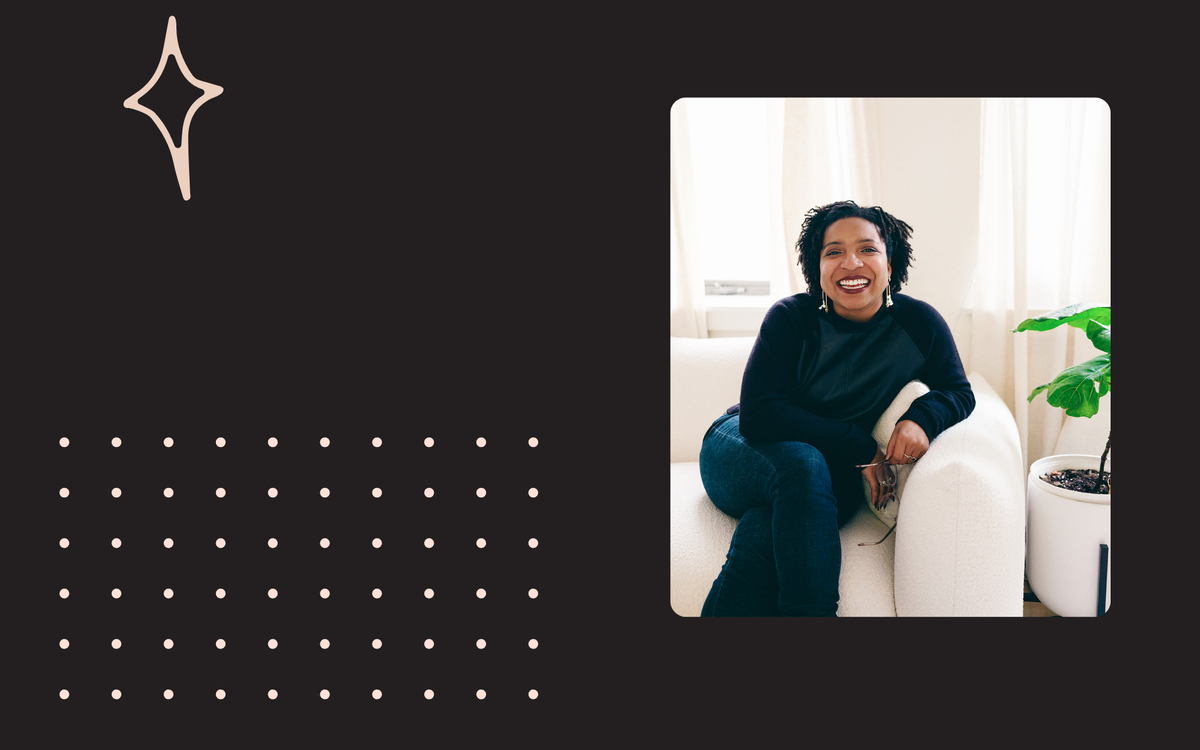
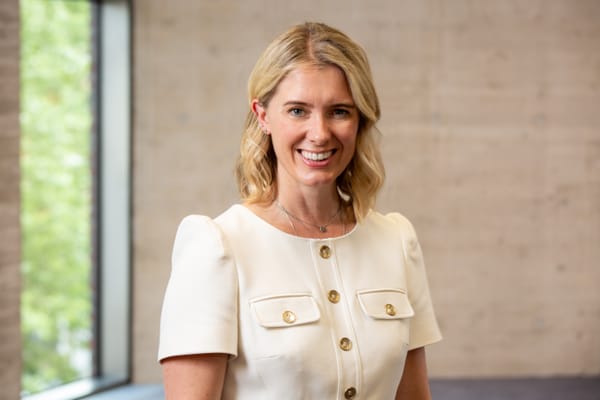
Sydney Thomas is the Founding General Partner of Symphonic Capital, a San Diego-based venture capital firm that raised $13.5 million for its debut fund to invest in pre-seed and seed-stage companies "making life better for the 99%." But her path to launching her own fund came after seven years of intentional learning, ecosystem building, and what she calls "sprinting" to close her knowledge gap.
Coming from the nonprofit sector (she spent 13 years in government, including serving in the Bloomberg Administration in NYC where she drafted federal legislation and negotiated multi-million dollar contracts), Sydney knew she had significant learning ahead of her before launching Symphonic. So in 2016, she joined Precursor Ventures as its first hire and spent seven years helping scale the firm from a solo operating GP with 10 investments to a 3-person team with 400+ investments and $200M+ in assets under management.
During those years, Sydney volunteered with organizations focused on ecosystem building in VC, took countless meetings with founders, launched a podcast, and completed the prestigious Kauffman Fellows Program. She also created the Black Women in VC List after realizing she was often the only Black woman in venture spaces. The list became a historical accounting of all the Black women who had blazed a trail before her, sparking change in the VC ecosystem and helping her build the community she needed.
In 2022, Sydney launched Symphonic Capital with a radical vision: to return to the original mission of the VC industry, which is to support and empower founders. The firm focuses on digital health and fintech startups solving problems for overlooked and underserved communities, particularly outside traditional coastal tech hubs. Early investments include Starlight (helping families navigate government benefits) and Flourish Care (providing doulas, wellness programs, and community care for pregnant women).
What makes Symphonic different is its rejection of Silicon Valley groupthink. While the prevailing notion in VC is that "the best founders don't need help," Sydney calls this "full stop, not true." Symphonic was intentionally designed to provide pre-seed founders with clear metrics for success and the capital and operational support to achieve them. The firm doesn't reserve its support only for companies showing early growth signals. Instead, it works to give founders optionality so outcomes aren't purely binary (zero or ten), but include pathways for value creation at multiple stages.
Sydney's approach is shaped by her thirteen years in government and her understanding of how critical relationships across public and private sectors are to making impact. She serves on the Board of Trustees at Oakland Museum of California, is a Venture Partner at The House Fund (a $100M+ fund investing in UC Berkeley-backed startups), and was awarded Black VC's Making an Impact designation and featured in Marie Claire for her work increasing diversity in tech.
In this Q&A, Sydney shares her lessons from launching Symphonic Capital Fund 1, why female founders and underrepresented founders should have very low expectations of early-stage investors, and how she's working to ensure the VC industry moves beyond performative metrics for diversity and inclusion by building community rather than trying to transform an entire industry alone.
Founding Symphonic Capital - Building a $13.5M Fund to Back "Companies Making Life Better for the 99%"
Q: You founded Symphonic Capital in 2022 and closed your debut $13.5M fund in 2025, investing in pre-seed and seed-stage startups closing access gaps in healthcare and financial services. Before founding Symphonic, you were the first hire at Precursor Ventures and scaled it from a solo GP with 10 investments to a 3-person team with 400+ investments and $200M+ in AUM. You've also created a distributed network through your podcast, newsletter, and events focused on this thesis. For female founders considering starting their own VC funds, what made you decide to leave Precursor and build your own firm? How did you raise your first fund, especially given that you've been public about not having access to family wealth to put down the typical $80K+ for programs like Kauffman Fellows? What's your advice for women VCs who want to raise capital but don't come from the traditional wealth networks that most fund managers tap into?
A: I decided to leave when I was done learning—or at least when I'd learned enough to take the leap. I'm an insatiable learner, and early in my VC career, I knew I wanted to launch my own fund. But I also knew I had a significant knowledge gap. Coming from the nonprofit industry, I needed exposure to as much as possible to be truly prepared for launching Symphonic.So I spent close to seven years sprinting. I volunteered with organizations focused on ecosystem building in VC, took countless meetings with founders, launched a podcast, and built a track record. I also supported the fundraise and growth of a firm during that time, which was an incredible learning experience.Toward the end of my tenure, I completed the Kauffman Fellows Program. That exposed me to other people launching VC firms and taught me something crucial: there are a million different ways to launch a fund—and just as many ways to get it wrong. I realized I was never going to learn everything I needed to know, but it was time to take the leap anyway. I had finally built the self-confidence required to do it.One piece of advice I'd offer to others from non-traditional backgrounds: invest in ecosystem building years before you need to make any requests. The relationships and trust I built over those years gave me something invaluable when I launched Symphonic—when you inevitably mess up (and you will), people extend you grace and support you in continuing forward. That foundation made all the difference.
"The Best Founders Don't Need Help" Is Full Stop Not True - Building Radically Different Early-Stage Support
Q: Symphonic Capital's approach is radically different from most early-stage VC funds. You work closely with founders to develop shared KPIs tracked quarterly, dive deep into business nuances, and counsel them toward profitability as quickly as possible. You're also seeing the rise of "seedstrapping" (raising initial capital but building toward profitability without large institutional rounds). For female founders raising pre-seed or seed capital, what should they actually expect from early-stage investors? How do you advise founders to distinguish between VCs who will genuinely support them versus those who subscribe to the "sink or swim" mentality? What does founder-investor partnership actually look like when it's done right, and how should founders structure their asks for help without being penalized for needing support?
A: Honestly? Their expectations should be very low.Most early-stage investors don't have a strategy beyond making that initial investment. They understand that when they invest in extremely early-stage companies, the majority are going to fail. So they focus their support on the ones showing early signals of growth and outperformance. This approach is embedded in their follow-on capital strategy—or lack thereof. Most early-stage firms don't reserve capital to continue supporting companies, so they're simply not set up to provide ongoing capital or operational support beyond that first check and initial round.Given those realities, I think what founders need to do early on is define success for themselves. What type of company do you want to build? Who do you need around you to build it? That might be a specific advisor, a certain type of operator—people beyond those early investors.Once you've defined your success metrics and developed proof points toward them, that's where Symphonic comes in. We help you operationalize your vision and put gasoline on the fire to accelerate growth. Our goal is to give you optionality—so even if you don't hit a really specific metric, you've proven your company's ability to create value in other ways. Maybe you're able to sell parts of the company, or scale within another organization. There's meat on the bone. It's not a fully binary outcome of zero or ten—there's a two, a three, a four, five, six in there. That's how we think about the world.
Diversity in VC Beyond Performative Gestures - From the Black Women in VC List to Building Symphonic
Q: You founded the Black Women in VC List after realizing you were often the only Black woman in venture spaces. You've been recognized with Black VC's Making an Impact designation, featured in Marie Claire, and named to the DEIC Power100 list. You serve on the Board of Trustees at Oakland Museum of California, completed Kauffman Fellows, and serve as Venture Partner at The House Fund. For women of color building careers in venture capital or adjacent spaces, what changed after you created the Black Women in VC List? How do you advise women navigating predominantly white, male spaces to build credibility and authority without code-switching or diluting their perspective? What's the difference between diversity efforts that actually create systemic change versus those that are just performative gestures to check boxes?
A: This is an incredibly difficult question to answer—and honestly, I don't think it's important, or even realistic, for one person to be responsible for transforming an entire industry. I might have had those expectations of myself earlier in my career, but I've shed them.My focus now is much more personal and community-driven. The main reason I created the Black Women in VC list was to build community among Black women in venture capital—so we could share our stories, be more transparent about how to navigate and advance in this industry, and truly support each other. Be each other's keepers.That intention has guided me every step of the way. I've been very deliberate about making sure that when I "make it," I'm not the only Black woman in the room. I want to be surrounded by peers—other Black women who are incredibly brilliant and inspiring.For me, it's been about building my own community so that I'm seen and so that I can learn from others who came before me. That was one of the big unlocks when I was building that list: I realized I was not at all the first Black woman in venture, even though people seemed to think I was. The list was really a historical accounting of all these other Black women who had blazed a trail for me, whether or not they were visible at the time. I'm so grateful to be able to call some of those women mentors today.
Are you a woman leader with an inspiring journey to tell? Founded by Women is on a mission to elevate and amplify the voices of women making an impact.
If you're breaking barriers, driving change, or paving the way for others, we’d love to feature your story. Get in touch with us today!
👉 hi@foundedbywomen.org