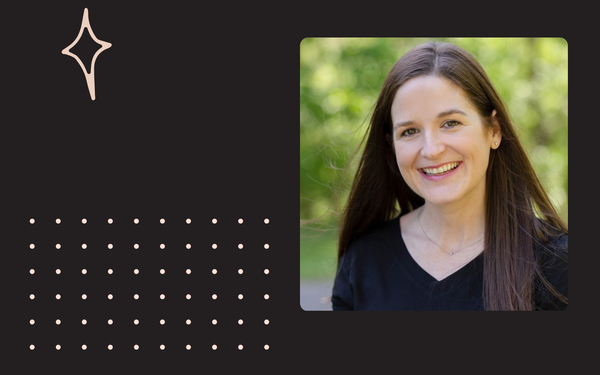
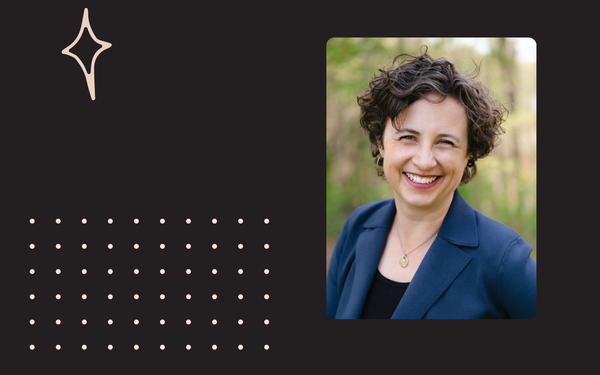
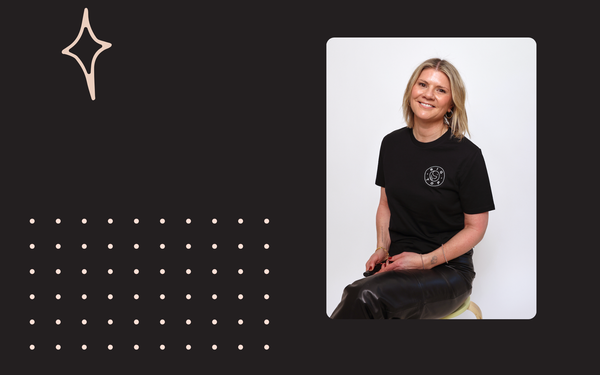
From Federal Auditor to "Accidental Entrepreneur": Keila Hill-Trawick, CPA on Building Little Fish Accounting from a Side Hustle, Defining "Building to Enough," and Why the Best Technicians Don't Always Make the Best Business Owners

Keila Hill-Trawick expected to work for the federal government until she retired. From 2010 to 2018, she moved between agencies as an auditor—from the Defense Contract Audit Agency and U.S. Attorney's Office to the Government Accountability Office and U.S. Patent and Trademark Office. She'd also held senior accounting roles at CNN, Comcast, and Home Depot. But after nearly a decade in government and corporate work, she found herself bored in her role yet energized by something else: helping friends who were launching businesses manage their books and taxes as a side hustle.
Little Fish Accounting was born in 2018 almost by accident—when Keila realized she needed a business email address to manage her growing roster of side clients.
Today, as founder and CEO of Little Fish Accounting, a boutique CPA firm based in Washington, D.C., Keila leads a small team specializing in advisory accounting, tax, and fractional CFO services for service providers and small online business owners—consulting firms, creative agencies, and established entrepreneurs ready to invest in financial management for sustainable growth. The firm has become known for its comprehensive service packages (rather than à la carte services), personalized client experience, and commitment to making accounting information accessible and understandable.
But what truly sets Keila apart is her philosophy: "Building to Enough." She defines a healthy business as one that is sustainable and aligns with the lifestyle of the owner. Featured on the cover of the AICPA Journal of Accountancy in December 2023 (a rare honor—she shares it with only one other accountant that year), Keila is a vocal advocate for intentional business growth that rejects "grow by any means" advice. Sometimes that means staying small on purpose.
This approach is deeply personal. Keila didn't come from public accounting, so she had no mentors or traditional playbook to follow. Instead, she designed Little Fish to operate like a marketing or design firm with a focus on the client experience. "I ran a business that I would want to work at," she explains. "Accounting just happened to be the vehicle we were using to help small businesses."
Beyond Little Fish, Keila is co-founder of Accountants of Color, a community for BIPOC accountants to engage, grow, and build their firms. She serves on the Gusto Partner Advisory Council and Maryland Society of Accounting & Tax Professionals. She was named in the inaugural Forbes top 200 Accountants in the US and hosts the Build to Enough podcast.
Equipped with a BBA from Georgia State University and an MBA from Mercer University, Keila brings both corporate rigor and entrepreneurial empathy to everything she does. Her story challenges the conventional wisdom that stable government jobs and entrepreneurship are mutually exclusive paths—and proves that sometimes the best businesses are the ones you build by accident, then scale with intention.
From Federal Government to Accidental Entrepreneur - When to Make the Leap from Stable Job to Side Hustle to Full-Time Business
Q: You started Little Fish Accounting in 2018 almost by accident - while working at the U.S. Patent and Trademark Office, you began helping friends manage their books and taxes as a side hustle. You'd worked as a federal auditor for nearly a decade and expected to work for the government until retirement. But after helping several friends launch their businesses, you realized you needed a business email address - and Little Fish Accounting was born. For women in stable corporate or government jobs who are testing business ideas on the side, how do you know when a side hustle is ready to become your full-time business? What financial or practical milestones should you hit before leaving stable employment, and what advice would you give about making that transition without burning bridges or taking unnecessary risks?
A: For me, the “sign” was not a single moment, it was a pattern. I was bored in my government role, but energized by the side work because it was useful, relationship-driven, and made a tangible impact. That said, I did not leave on inspiration alone. I planned.
If you are in a stable corporate or government job and testing an idea on the side, here are the milestones I would look for before going full-time.
Financial milestones to hit before you quit
- Reliable demand and repeatability - Not just one big client or a viral moment. And a repeatable way to get clients (referrals, content, partnerships, pipeline)
- Minimum income consistency - Your side hustle consistently covers a meaningful portion of your lifestyle.
- Savings runway - A cash cushion to sustain you as you ramp up or have slow months. Ideally you’d have multiple months of living expenses, plus a separate buffer for business costs.
- Taxes are already being funded - If you are not already setting aside money for taxes while side hustling, full-time will feel like a shock.
- You know your basic numbers - Monthly revenue, monthly expenses, how much you keep, and your cash flow rhythm. You need to be able to answer “How much do I need to bring in each month to fund my life, business expenses and taxes?”
Practical milestones to hit before you quit
- Your offer is clear - You can explain who you serve, what you do, and what results you help create
- Your pricing is sustainable - You are charging real rates, not “I’m still figuring it out” or discounted rates
- Your work can scale without burning you out - If it only works because you are working nights and weekends, you have a capacity problem and may need to reassess
- You have your “adult business” basics started - A business email, logo, domain and basic website. If you want people to take you seriously you need to be professional and buttoned up. You should also have basic processes for onboarding, contracts, invoicing, and boundaries.
How to transition without burning bridges or taking unnecessary risks
- Treat your exit like a reputation investment - Give clean notice, document your work, leave relationships intact
- Do not wait until you are emotionally done - It is easier to leave well when you are not already resentful or exhausted
- Keep the bridge even if you do not plan to go back - Former colleagues become referral sources, collaborators, and clients
- Reduce risk before you jump - Save money, forecast conservative income, plan for taxes, and understand your benefits replacement
Be honest about the potential of the business and what it needs to fund your lifestyle. Not just revenue, but healthcare, taxes, retirement, time off, and rest. A business can be small and still be successful, but it has to be capable of supporting the life you want, not just the idea of freedom.
"Building to Enough" - How to Decide What Size Business is Right for You and Reject "Grow by Any Means" Advice
Q: You're passionate about "building to enough" - staying small on purpose and rejecting pressure to scale at all costs. You were featured on the cover of AICPA Journal of Accountancy discussing this philosophy. Little Fish has five full-time employees, and you've been intentional about growth decisions - switching from contractors to employees, offering holistic packages instead of à la carte services, and prioritizing client experience over rapid expansion. For female founders feeling pressure to scale quickly or "10X their business," how do you actually figure out what "enough" looks like for you? What questions should founders ask themselves to determine the right size for their business, and how do you build a firm that's both profitable and sustainable without sacrificing your quality of life?
A: To figure out what “enough” looks like, start with life first, then build the business to match.
Questions to define “enough”
- How many hours do I want to work per week, realistically?
- What do I want my role to be: delivery, leadership, sales, strategy, or a mix?
- What kinds of clients do I enjoy serving, and which ones consistently drain me?
- What income supports my life with stability, including taxes and savings?
- What do I want to protect: time, health, family, flexibility, creativity?
How to build a firm that is profitable and sustainable
- Design your services for consistency - Packaging and standardized delivery reduces chaos and improves margins
- Price for the capacity you actually have - Not for the fantasy version of your schedule
- Choose team growth intentionally - Hire when it improves quality, stability, and client experience, not just because demand exists
- Measure success beyond revenue - Profit margin, stress level, team sustainability, client retention, and time freedom all count
A healthy business is one you can run for years. Not one that looks impressive for a quarter.
Finding the Right Accountant - What Founders Should Look for Beyond Tax Prep and How to Know When You Need Strategic Financial Support
Q: Little Fish Accounting specializes in service providers and small business owners, and you're passionate about making accounting accessible. Your Discovery Calls aren't designed to "close a sale" but to determine fit - asking "What kind of help have you gotten before?", "What would success look like?", and being honest when you're not the right match. For female entrepreneurs trying to figure out when and how to hire accounting support, what's the difference between needing a bookkeeper, an accountant, and fractional CFO services? What questions should founders ask during discovery calls to make sure they're getting strategic support (not just compliance/tax prep), and what are the warning signs that your current accounting support isn't actually helping you grow your business?
A: Entrepreneurs often hire accounting help too late because they think it is only about tax filing. The real value is when accounting becomes a year-round partnership that helps you make decisions.
Bookkeeper vs accountant vs tax preparer vs fractional CFO
- Bookkeeper
- Keeps transactions categorized, reconciled, and accurateGives you clean data
- Tax preparer
- Files returns and keeps you compliant
- May help with estimated taxes, but is often seasonal
- Accountant
- Interprets the books, supports compliance, and often helps with tax planning
- Can help you understand what the numbers mean
- Fractional CFO or strategic finance support
- Helps you use numbers to make decisions
- Cash flow planning, forecasting, pricing strategy, hiring timing, profit planning
If you are asking questions like “Can I hire?”, “Can I pay myself more?”, “Why do I have revenue but no cash?”, or “What should I do next?”, you are moving into strategic support territory.
What to look for, beyond tax prep
Choosing an accounting and tax partner should include:
- Industry experience
- Someone who understands how your business model works and what metrics matter
- Processes and procedures
- How they collect info, deliver reports, and communicate with you matters as much as the work itself. Strong accounting support sets expectations clearly so you are not left wondering when you will get answers or whether something is falling through the cracks.
- A relationship, not a handoff
- You should understand what you are getting and what it means, not just receive reports
- Pricing transparency and fit
- Price should not be the only factor, but you should understand what is included and why
Are you a woman leader with an inspiring journey to tell? Founded by Women is on a mission to elevate and amplify the voices of women making an impact.
If you're breaking barriers, driving change, or paving the way for others, we’d love to feature your story. Get in touch with us today!
👉 hi@foundedbywomen.org