From 13 Months of Relentless Promotion to Award-Winning Virtual CFO: Tiffany Watson, MBA on Pivoting All Aboard Financial During COVID, Why Tax Planning Beats Tax Prep, and Giving Back Through Microgrants Instead of Titles
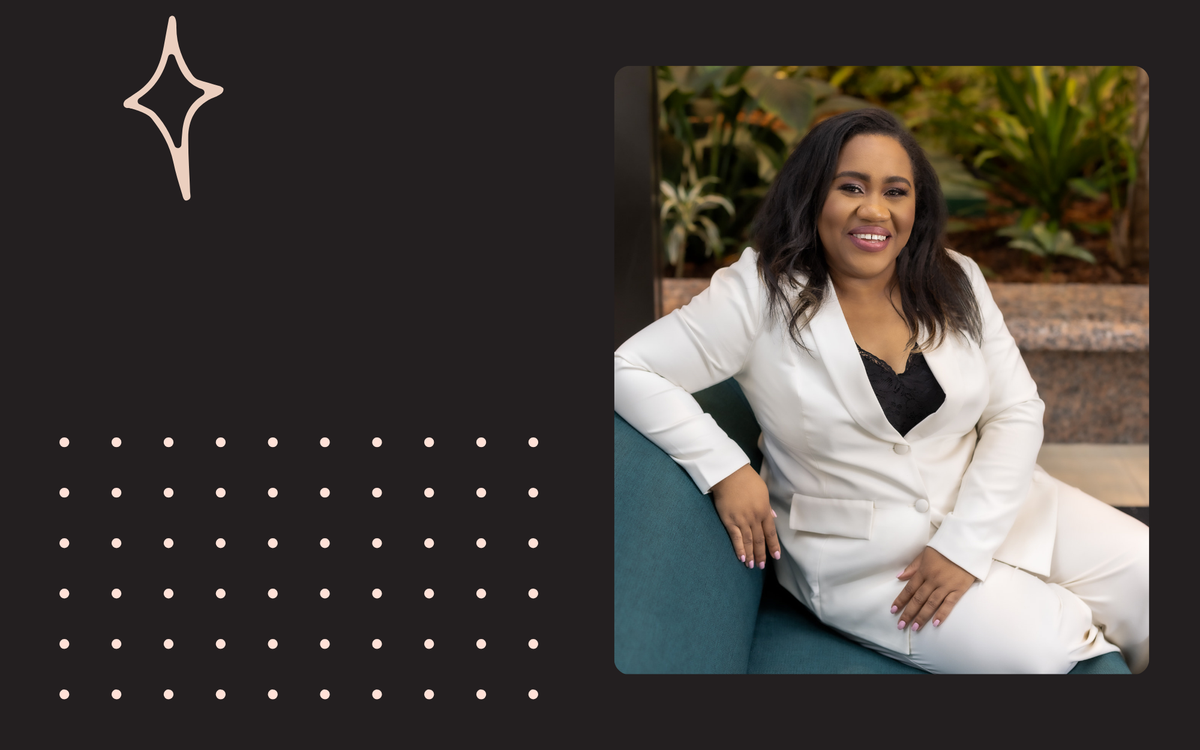
After a near-death experience with severe preeclampsia following the birth of her third child, Tiffany Watson knew her body couldn't handle a traditional job anymore—but she also knew she wasn't done building. What started in 2018 as an insurance agency rooted in helping others avoid the financial vulnerabilities she'd witnessed growing up with a single mother became something far more comprehensive when COVID-19 hit and clients started calling not just about policies, but about survival.
As the founder and CEO of All Aboard Financial, a BBB-accredited, award-winning virtual CFO, tax, and insurance agency based in Tampa, Florida, Tiffany serves aspiring, new, and small business owners (solopreneurs to companies with revenues under $5 million) with a full suite of financial services: tax preparation and planning, bookkeeping, credit restoration, life and disability insurance, and business funding. She's appeared on local news as a tax expert, authored articles featured in major publications, and earned recognition from Brainz Magazine's CREA Global Awards for her creative and innovative approach to small business finance.
But the journey wasn't overnight. Tiffany spent 13 arduous months of relentless promotion before seeing tangible results, supported only by a handful of family and friends in those early days. When the pandemic brought insurance claims to a standstill and small business owners were drowning in cash flow crises, she made the pivotal decision to pivot—adding accounting and CFO-level services to become the holistic financial partner her clients desperately needed.
What sets All Aboard Financial apart isn't just the comprehensive service offering—it's Tiffany's approach. Clients describe her as "personable and thoughtful," noting she sends gift cards "just to be kind." She emphasizes proactive tax planning over reactive tax preparation, staying in touch throughout the year to manage tax burdens and update financial plans based on life changes. Her philosophy is simple but powerful: help clients keep more of what they earn while building businesses that support their lifestyles.
Beyond running her firm, Tiffany has shifted her community leadership approach. Rather than holding formal organizational titles, she now focuses on direct impact through microgrants and individual support to business owners who need it most—covering filing fees, software subscriptions, or critical business expenses. Her commitment to giving back is grounded in sustainability: you can build a profitable business and lead with generosity, but only if you're not pouring from an empty cup.
Equipped with a Bachelor of Science in Human Services and an MBA from Springfield College, Tiffany brings both technical expertise and hard-won entrepreneurial wisdom to every client relationship. Her story is proof that motherhood doesn't diminish ambition, that pivots can save businesses, and that consistency—like compound interest—eventually pays off.
From Insurance Sales to Virtual CFO During COVID - Starting All Aboard Financial After Having a Baby and "13 Arduous Months of Relentless Promotion"
Q: You founded All Aboard Financial in 2018 as an insurance agency after being raised by a single mother who struggled financially and realizing you wanted to help others secure their financial futures. When COVID-19 hit in 2020, you pivoted to incorporate accounting services, transforming the business into a virtual CFO, tax, and insurance agency. You've been candid about the early challenges: support was limited to a handful of family members and friends, and you spent 13 arduous months relentlessly promoting before seeing tangible results. You also started All Aboard because after having a baby, you knew you couldn't hold a regular job and wanted the flexibility of entrepreneurship. Walk us through the decision to pivot during the pandemic and add accounting services. What made you realize the insurance-only model wasn't sustainable, and what advice would you give women about building businesses while managing motherhood and the reality that success doesn't happen overnight?
A: When I started All Aboard Financial in 2018, it was rooted in insurance and in my upbringing. I was raised by a single mother who worked hard but still struggled financially, and I saw firsthand how a lack of protection and planning can ripple through a family. After having my third child and dealing with severe preeclampsia, my body simply couldn't handle the demands of a traditional job anymore. I needed flexibility, but I also needed purpose. Entrepreneurship gave me both.
By the time COVID hit in 2020, I was already seeing cracks in the insurance only model. Claims were delayed for months, carriers were overwhelmed, underwriting slowed to a crawl, and clients were anxious and confused. At the same time, small business owners and families were calling me not just about insurance, but about cash flow, payroll, taxes, and survival. They didn't need a policy; they needed guidance. I realized insurance alone wasn't sustainable, but becoming a more holistic financial partner was. So I pivoted; adding accounting, tax support, and CFO-level guidance and built a fully virtual model that met clients where they were.
The early years were humbling. Support was limited, and it took over 13 long months of consistent actions showing up before results followed. My advice to women is this: build with patience, protect your health, and don't let motherhood make you doubt your ambition. Success rarely happens overnight but consistency compounds, just like finances do.
"Smart Strategies That Save You Thousands in Taxes Every Year" - Virtual CFO Services, Tax Planning, and Helping Small Businesses Navigate Financial Complexity
Q: All Aboard Financial serves aspiring, new, and small business owners (solopreneurs to businesses with revenues under $5 million) with services including tax preparation, tax planning and advisory, bookkeeping, credit restoration, life and disability insurance, and business funding. You've appeared on local news as a tax expert and written articles featured in major publications. You emphasize proactive tax burden management and staying in touch throughout the year to update financial plans based on life changes. For female founders navigating tax planning and financial strategy, what are the most critical tax mistakes you see entrepreneurs make? How should founders think about the difference between tax preparation (filing returns) versus tax planning (proactive strategy), and at what revenue stage should a business actually invest in virtual CFO services versus just hiring a bookkeeper or accountant?
A: One of the biggest tax mistakes I see entrepreneurs make, especially women founders, is treating taxes as a once a year event instead of an ongoing strategy. Many business owners come to me after the year is over hoping there's a magic fix, when in reality most tax savings happen months before a return is ever filed. Another common issue is not separating personal and business finances early enough, which creates messy books, missed deductions, and unnecessary stress when it's time to file. I also see founders underpaying or ignoring quarterly estimates, then being shocked by a tax bill they didn't plan for.
That's where the difference between tax preparation and tax planning really matters. Tax preparation is backward looking; it's about accurately reporting what already happened. Tax planning is forward looking. It's about making intentional decisions throughout the year: how you pay yourself, when you invest, how you structure the business, and how life changes like having a baby, buying a home, or scaling a team affect your tax picture. Planning gives you control; preparation just gives you compliance.
As for when to invest in higher-level support, a bookkeeper is essential once you have consistent income and transactions to track. But when revenue starts approaching the mid-six figures, or when cash flow decisions start feeling overwhelming, that's usually the sign it's time for virtual CFO support. A CFO helps you think strategically; not just "What did I earn?" but "Where is my money going, what should I keep, and how do I grow sustainably?" The goal isn't just to make more money; it's to keep more of it and build a business that supports your lifestyle.
From Organizational Leadership to Direct Impact - Building All Aboard Financial While Leading Through Microgrants and Individual Support
Q: You've been candid about your evolution in community leadership—moving away from formal organizational titles to focus on direct impact through microgrants and individual support to business owners who need it most. All Aboard Financial is BBB-accredited and award-winning, known for being "personable and thoughtful" (clients mention you sending gift cards "just to be kind"). For women building businesses while being active in community leadership, how do you balance running All Aboard Financial with your commitment to giving back? What's your philosophy about supporting your community while growing your own business, and what advice would you give women—especially women of color—about building businesses that serve their communities while remaining financially sustainable?
A: Community has always mattered deeply to me, but my approach to giving back has evolved over time. Earlier in my career, I served in leadership roles within organizations because I believed that was the most effective way to create impact. What I learned, though, is that meaningful change doesn't always require a title or affiliation. Today, I'm no longer affiliated with any organization. I've chosen to focus on making a difference individually, primarily through microgrants and direct support to business owners who need it most.
Balancing a growing firm with volunteer leadership taught me an important lesson: impact has to be sustainable. I now give in ways that align with the season I'm in as a business owner, mother, and woman protecting her health and time. Whether it's a microgrant to help a woman cover a filing fee, bookkeeping software, or a critical business expense, I've found that direct support often creates faster, more tangible results than traditional structures.
My philosophy is simple: you don't have to wait until you "arrive" to give back, but you also shouldn't pour from an empty cup. A business that isn't financially healthy can't serve anyone well, including the community it wants to uplift. For women, especially women of color, my advice is to build with intention. Price your services properly, don't undervalue your expertise, and create boundaries around your time and energy. You can build a profitable business and still lead with generosity. In fact, sustainability is what allows generosity to last.
Are you a woman leader with an inspiring journey to tell? Founded by Women is on a mission to elevate and amplify the voices of women making an impact.
If you're breaking barriers, driving change, or paving the way for others, we’d love to feature your story. Get in touch with us today!
👉 hi@foundedbywomen.org