Against the Grain: Naomi Granger on Entering Cannabis Accounting in 2017 When Others Hesitated, Growing to $3M in Two Years, Training 700+ CPAs Through NACAT Pros, and Why Underserved High-Barrier Markets Are Where Expertise Becomes Leverage

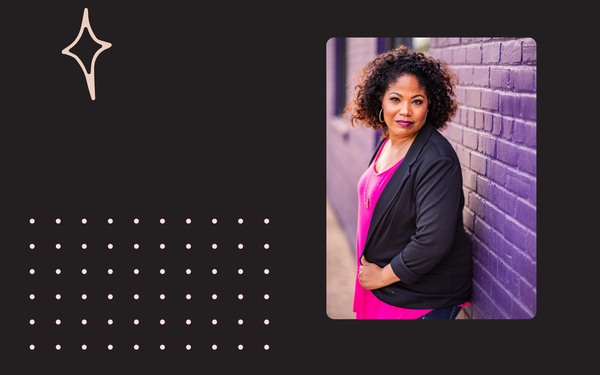
In 2017, Naomi Granger moved back home to Las Vegas just as adult-use cannabis sales went live, and she saw something most CPAs wouldn't touch: a massively underserved industry desperately needing professional accounting services in a federally restricted, cash-heavy, compliance-intensive environment. While traditional financial institutions and accounting professionals avoided the cannabis industry due to federal illegality and social stigma, Naomi (a CPA with over 18 years of experience) went against the grain. She entered the industry when it was still highly stigmatized, grew her practice from startup to exceeding $3 million in revenue in just over two years, and became the only CPA to be featured in The Wall Street Journal for her unique approach to helping accounting professionals expand into cannabis.
As founder of the National Association of Cannabis Accounting and Tax Professionals (NACAT Pros), Naomi has trained over 700 accounting professionals across the United States through her certification program "Calculating Cannabis," which covers 280E tax compliance, seed-to-sale tracking systems, cash management, banking challenges, state and local regulations, and audit-ready record-keeping. She's been recognized as MJ Biz Women to Watch and Marijuana Ventures Women to Watch, served as Treasurer of the National Cannabis Industry Association, and has been featured on Cheddar TV and the cover of the Las Vegas Sun. She speaks on stages across the country addressing operators on tax regulations, budgets, forecasting, and what to look for when hiring an accountant.
Cannabis businesses face unique challenges that most industries don't encounter: federal illegality despite state legality, limited banking access forcing cash-heavy operations, Section 280E tax restrictions preventing normal business deductions, constantly changing state regulations, and compliance requirements like seed-to-sale tracking where one mistake can result in license revocation. Naomi built her practice and NACAT Pros by treating risk management as a core service, creating standardized systems and workflows, staying current on evolving regulations across multiple states, and positioning herself as a trusted advisor in an industry where competent professionals were (and still are) in desperately short supply.
In this interview, Naomi shares her framework for entering stigmatized industries when others hesitate, how she rapidly scaled her practice to $3M by serving an underserved market, her approach to creating training programs that actually prepare professionals to serve clients competently in highly regulated spaces, and practical advice for women building businesses where compliance mistakes carry severe consequences. For female founders considering specialization in underserved, high-barrier markets—whether cannabis, crypto, adult entertainment, or other politically contentious industries—Naomi's journey offers both strategic insights and honest reflection on why going where others won't can become your greatest competitive advantage.
From Traditional Accounting to Cannabis Industry Pioneer - Founding NACAT Pros After Growing Your Practice from Startup to $3M in Two Years
Q: You're a CPA with over 18 years of experience who entered the cannabis industry in 2017 and grew your practice from startup to exceeding $3 million in revenue in just over two years. You're the only CPA to have been featured in The Wall Street Journal for your unique approach to helping accounting professionals expand into cannabis, and you've been recognized as MJ Biz Women to Watch and Marijuana Ventures Women to Watch. You founded the National Association of Cannabis Accounting and Tax Professionals (NACAT Pros) to provide support, resources, and advocacy for accounting professionals serving this highly regulated industry. Walk us through your decision to enter the cannabis industry in 2017 when it was still highly stigmatized and federally restricted. What made you realize this was an opportunity rather than a risk? How did you grow your practice so rapidly to $3M, and what were the biggest challenges you faced building credibility in an industry where traditional financial institutions and many professionals were still hesitant to participate?
A: In 2017, I moved back home to Las Vegas right as adult-use sales went live and cannabis was suddenly everywhere. There were new businesses, new clients, and a new regulated market forming in real time not just in Vegas, but all over the country. I could also see a major gap: operators urgently needed professional service providers, but most CPAs and advisors were afraid to touch the industry. Even today, many still won't. I've always loved a challenge and I naturally gravitate toward opportunities where others hesitate. Going against the grain has never scared me.
What made it feel like an opportunity rather than a risk was how underserved the industry was. The demand for competent accounting, tax, and compliance support was obvious, and I was confident that if I did the work correctly and documented my decisions, I'd be fine. I'm from Las Vegas, so the social stigma didn't bother me. I've always been more liberal and non-judgmental, and I've been able to separate the headlines from the actual business need.
As for gaining credibility in the industry, it was easier than people assume; there was no one here doing it well. When you're one of the only professionals willing to show up, do clean work, and speak the language, you stand out quickly. The bigger challenge was setting the standard and building trust in an industry that had been overlooked for so long.
Training Over 700 Accounting Professionals and Building a Professional Association - Your Framework for Education, Certification, and Industry Advocacy
Q: You've provided training to over 700 accounting professionals across the United States eager to expand their knowledge and skills in servicing cannabis clients. You created "Calculating Cannabis," a certification program that trains accountants on 280E tax compliance, seed-to-sale tracking systems, cash management, banking challenges, state and local regulations, and audit-ready record-keeping. You've spoken on stages across the country addressing operators on tax regulations, budgets, forecasting, and hiring accountants. For female entrepreneurs building professional associations or education businesses in highly regulated or stigmatized industries, what's your framework for creating training programs that actually prepare professionals to serve clients competently? How do you balance providing education, maintaining professional standards through certification, advocating for industry best practices, and building a sustainable business model? What would you tell women about positioning themselves as thought leaders in industries where credibility and compliance are paramount?
A: My framework for creating training that truly prepares professionals is built around three things.
First, do your research. I require professionals to get comfortable reading state rules and regulations and staying current as they evolve.
Second, talk to experts across the industry. Accountants cannot operate in a bubble. I build programs with input from operators, attorneys, regulators, auditors, payroll, and other specialists so the training reflects how the business actually runs.
Third, advocate and stay aware of industry politics. Policy drives reality in cannabis. If you are not following what is happening at the state and federal level, you will miss what matters and your clients will pay for it.
Balancing education, certification standards, advocacy, and a sustainable business model comes down to staying mission-driven and operationally disciplined. I advocate through efforts like NCIA annual lobby days, and I speak around the country about cannabis policy so the profession stays informed and engaged. On the education side, I teach both technical competency and practice management because serving cannabis clients requires strong systems, boundaries, pricing, and delivery. I also constantly revise the practice management side as the market shifts so professionals can build sustainable firms, not just earn knowledge.
For women positioning themselves as thought leaders in credibility and compliance-driven industries, my advice is simple. Get visible and get specific. Speak on stages, podcasts, webinars. Publish educational content, and lead trainings for operators. When you consistently teach what you know and help businesses get compliant and operational, your authority grows quickly. In regulated industries, thought leadership comes from being the person who can explain the rules clearly and help people execute them with confidence.
Navigating Federal-State Legal Conflicts, Banking Restrictions, and Building a Business in a "Highly Federally Restrictive" Industry - Practical Advice for Women Entrepreneurs in Regulated Spaces
Q: Cannabis businesses face unique challenges that most industries don't - federal illegality despite state legality, limited banking access forcing cash-heavy operations, Section 280E tax restrictions preventing normal business deductions, constantly changing state regulations, and compliance requirements like seed-to-sale tracking. You've built NACAT Pros, served as Treasurer of the National Cannabis Industry Association, been featured on Cheddar TV and the cover of the Las Vegas Sun, and positioned yourself as a trusted advisor in an industry where one compliance mistake can result in license revocation. For women building businesses in highly regulated, politically contentious, or stigmatized industries, what's your advice about managing risk, building systems that ensure compliance, working with clients who face unique legal and financial constraints, and maintaining your own business sustainability when the regulatory landscape keeps shifting? What do you wish you'd known when you started, and what would you tell women about the importance of specialization in underserved, high-barrier markets?
A: For women building businesses in highly regulated, politically contentious, or stigmatized industries, my advice is to treat risk management as a core service, not an afterthought.
Start with systems. Build standardized workflows, checklists, and documentation protocols from day one. If you cannot explain how you got to a number or a position, it does not exist. In cannabis and similar industries, compliance is not just filing returns. It is cash controls, inventory controls, audit trails, and clear separation of duties. Your systems should make the right behavior the default.
Know the rules, then translate them into practical steps. Read the regulations, monitor updates, and keep a running "change log" of what shifted, when, and how you adjusted. I also recommend building relationships with experts across the ecosystem, including attorneys, compliance specialists, regulators, payroll, and banking partners. Your client's constraints are usually legal, banking, and cash-flow related, so your guidance has to reflect operational reality, not just accounting theory.
Set boundaries that protect your firm. Be clear about what you will and will not do, how quickly you will respond, and what documentation you require. Price for complexity and risk, and use engagement letters that reflect the environment. Your sustainability depends on saying no to clients who resist controls, resist documentation, or want you to "make it work" without support.
What I wish I had known when I started is how often the goalposts move. The regulatory landscape will shift. Your business model has to assume ongoing change, which means ongoing training, periodic process updates, and proactive client communication. If you design your firm like it will stay the same, you will always feel behind.
On specialization, I would tell women this. Underserved, high-barrier markets are where expertise becomes leverage. When others avoid a space because it is complicated or controversial, the professionals who invest in true specialization become indispensable. You can charge appropriately, retain clients longer, and build a reputation faster because the value is clear and the alternatives are limited. Specialization is not about narrowing your options. It is about becoming the obvious choice in a market that desperately needs competent leaders.
Are you a woman leader with an inspiring journey to tell? Founded by Women is on a mission to elevate and amplify the voices of women making an impact.
If you're breaking barriers, driving change, or paving the way for others, we’d love to feature your story. Get in touch with us today!
👉 hi@foundedbywomen.org